

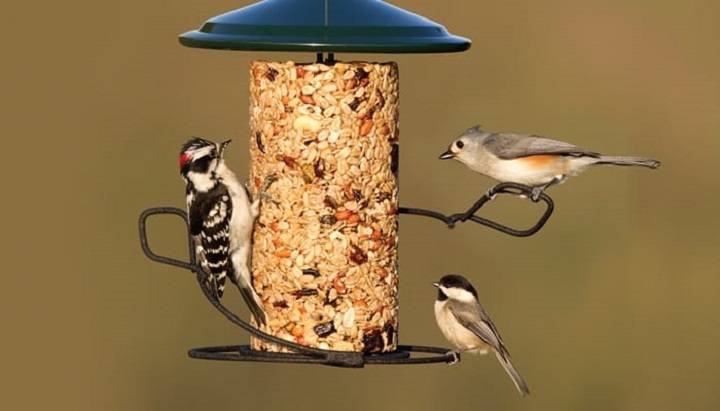
Feeding wild birds is a beloved pastime enjoyed by millions of people around the world. Whether you’re a novice bird enthusiast or a seasoned birder, providing nutritious and varied food options can attract a diverse array of avian visitors to your backyard or garden. In this comprehensive guide, we’ll delve into the fascinating world of wild bird food, exploring the types of foods available, the nutritional needs of different bird species, feeding strategies, and tips for creating a bird-friendly habitat.
Understanding Wild Bird Diets

Seed-Based Diets:
Seeds are a staple food source for many bird species, offering essential nutrients such as carbohydrates, fats, and proteins. Common seed varieties include sunflower seeds, millet, nyjer seeds (thistle), and safflower seeds, each catering to the dietary preferences of specific bird species.
Insect-Based Diets:
Insects are a vital component of the diet for many birds, especially during the breeding season when adults require high protein levels to feed their chicks. Mealworms, crickets, and suet-based products provide an excellent source of protein and energy for insect-eating birds like bluebirds, warblers, and woodpeckers.
Fruit and Berry Diets:
Fruits and berries are rich in vitamins, minerals, and antioxidants, making them an attractive food option for many bird species. Apples, oranges, berries, and raisins are popular choices that can be offered fresh, dried, or as part of specialized bird food blends.
Nectar-Based Diets:
Nectar feeders, such as hummingbird feeders, cater to the unique dietary needs of nectar-feeding birds like hummingbirds and orioles. Nectar solutions made from sugar and water mimic the natural nectar found in flowers, providing a high-energy source for these tiny, fast-paced birds.
Choosing the Right Wild Bird Food

Quality Matters:
When selecting wild bird food, opt for high-quality products from reputable brands to ensure the nutritional content and safety of the food. Look for seeds and blends that are free from fillers, dust, and debris, as these can deter birds and attract pests.
Species-Specific Blends:
Different bird species have varying dietary preferences and feeding behaviors. Choose bird food blends tailored to the specific needs of the birds in your area, whether they are ground-feeding sparrows, perching finches, or nectar-feeding hummingbirds.
Variety and Diversity:
Offering a diverse range of wild bird food encourages biodiversity and attracts a wider variety of bird species to your feeding station. Mix and rotate different types of seeds, suet, fruits, and nuts to cater to the tastes and preferences of different birds throughout the year.
Feeding Strategies and Tips
Feeder Placement:
Position bird feeders in safe and accessible locations, away from potential hazards such as predators, reflective surfaces, and high-traffic areas. Place feeders near natural cover, such as trees or shrubs, to provide birds with shelter and protection while feeding.
Cleanliness and Hygiene:
Maintain cleanliness and hygiene at bird feeding stations by regularly cleaning feeders, removing uneaten food, and replenishing fresh water. Dirty feeders can harbor harmful bacteria and pathogens that can endanger the health of visiting birds.
Seasonal Considerations:
Adjust your feeding practices according to seasonal changes and bird migration patterns. Offer high-energy foods during the winter months to help birds survive cold temperatures, and provide fresh water year-round, especially during periods of drought or extreme weather.
Creating a Bird-Friendly Habitat
Native Plants and Habitat Features:
Enhance your backyard or garden with native plants, trees, and habitat features that provide food, shelter, and nesting sites for wild birds. Incorporate a variety of plant species that produce seeds, fruits, and berries throughout the year to support resident and migratory birds.
Water Sources:
Install bird baths, ponds, or shallow water features to provide birds with access to clean drinking water and bathing opportunities. Keep water sources clean and shallow to accommodate birds of all sizes and species.
Natural Food Sources:
Supplement wild bird feeding with natural food sources, such as flowering plants, fruit-bearing trees, and insect-rich habitats, to support the dietary needs of local bird populations and promote ecological balance.
Wild Bird Food
Conservation and Ethical Considerations
Responsible Feeding Practices:
Practice responsible bird feeding by avoiding overfeeding, limiting the use of artificial foods, and minimizing the risk of disease transmission at feeding stations. Monitor bird behavior and adjust feeding practices accordingly to maintain a healthy and sustainable feeding environment.
Predator Avoidance:
Take measures to deter predators, such as cats, squirrels, and birds of prey, from preying on birds at feeding stations. Use predator-proof feeders, elevated platforms, and natural barriers to minimize predation risk while allowing birds to feed safely.
Related Post:
Deciphering the Ideal Space Requirements for Ducks
Unveiling the Mysterious Egg-Laying Habits of Ducks
Exploring the Essential Role of Duck Grit in Avian Health
Wild bird feeding is a rewarding and enriching experience that allows us to connect with nature and support the well-being of our feathered friends. By understanding the dietary needs of different bird species, choosing high-quality wild bird food, implementing effective feeding strategies, and creating bird-friendly habitats, we can foster a harmonious relationship with wild birds and contribute to their conservation and welfare. Let us continue to enjoy the beauty and diversity of wild birds while taking proactive steps to protect and preserve their natural habitats for future generations to appreciate and enjoy.
