


Bird feeders are a wonderful way to attract a variety of avian visitors to your garden, but when it comes to catering to smaller bird species, selecting the right feeder is essential. Small birds, such as finches, sparrows, and tits, have specific feeding preferences and behaviors that can be accommodated with the right feeder design. In this comprehensive guide, we’ll explore the world of bird feeders tailored for small birds, covering types, features, placement tips, maintenance, and more to help you create a welcoming haven for our feathered friends.
Understanding Small Birds’ Needs
Dietary Preferences:
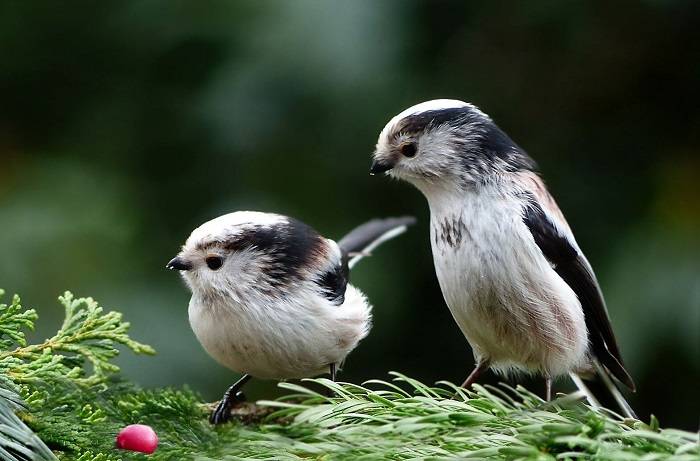
Small birds have delicate beaks suited for feeding on seeds, nuts, and insects. They prefer smaller food items and may be attracted to feeders offering a variety of seeds, such as sunflower, nyjer, and millet.
Feeding Habits:
Small birds are agile and acrobatic feeders, often preferring hanging or perching feeders that allow them to access food while perched or in flight. They may also frequent ground feeders or platforms for easy access to spilled seeds.
Types of Bird Feeders for Small Birds
Tube Feeders:
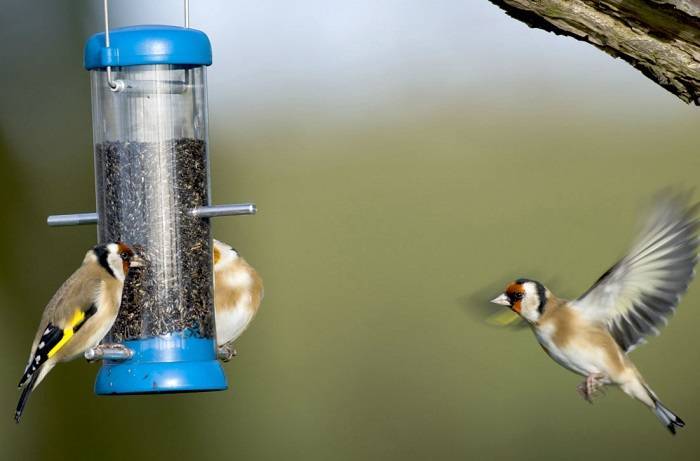
Tube feeders are cylindrical containers with multiple feeding ports, ideal for dispensing small seeds like nyjer and millet. They protect seeds from moisture and pests and allow several small birds to feed simultaneously.
Mesh Feeders:
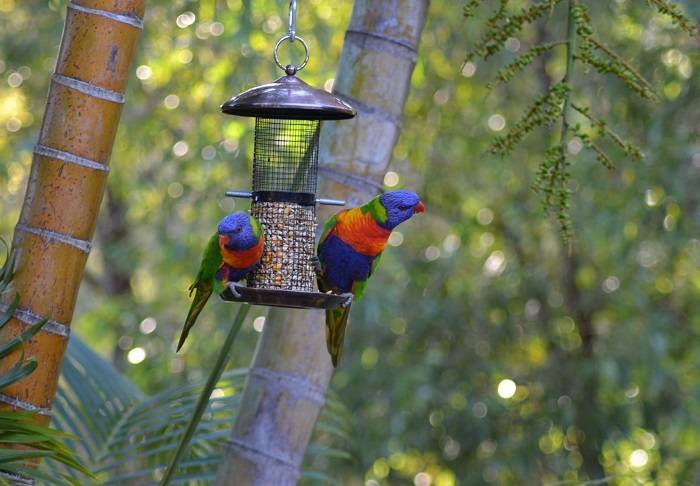
Mesh feeders feature wire mesh or netting that holds seeds while allowing small birds to peck at them. They are suitable for offering larger seeds or suet pellets and attract a variety of finches and tits.
Nyjer Feeders:
Nyjer feeders are specifically designed for dispensing tiny nyjer seeds, a favorite of finches and other small birds. They feature small feeding ports or mesh screens to prevent waste and accommodate the small size of nyjer seeds.
Features to Look For
Multiple Feeding Ports:
Look for feeders with multiple feeding ports to accommodate several small birds simultaneously, reducing competition and allowing more birds to feed at once.
Easy to Clean:
Choose feeders that are easy to disassemble and clean, with removable parts or access points for thorough cleaning to prevent the buildup of mold, bacteria, and debris.
Durable Construction:
Opt for feeders made from durable materials such as metal, plastic, or weather-resistant wood to withstand outdoor elements and provide long-lasting feeding solutions for small birds.
Placement Tips
Strategic Positioning:
Place your bird feeder in a quiet and sheltered area of your garden, away from potential predators and close to natural cover such as trees or shrubs. Ensure there is adequate space for small birds to approach and land safely.
Height Considerations:
Hang or mount your feeder at a height that is easily accessible to small birds but out of reach of larger predators like cats and squirrels. Consider using baffles or predator guards to deter unwanted visitors.
Maintenance and Care
Regular Cleaning:
Clean your bird feeder regularly, ideally every 1-2 weeks, to remove accumulated debris, mold, and bacteria. Use a mild soap solution and a brush to scrub all surfaces thoroughly, and rinse with clean water before refilling.
Seed Management:
Monitor seed levels in your feeder and refill it as needed to ensure a constant supply of food for small birds. Discard any moldy or spoiled seeds and clean the feeder before refilling to maintain hygiene.
Attracting Small Birds to Your Feeder
Variety of Seeds:
Offer a diverse selection of seeds to attract a wide range of small bird species, including sunflower, nyjer, millet, and thistle seeds. Experiment with different seed mixes to find out which ones are most popular with your local bird population.
Water Source:
Provide a fresh water source such as a bird bath or shallow dish near your feeder to attract small birds for drinking and bathing, especially during hot weather or dry spells.
Conservation and Wildlife Benefits
Supporting Bird Populations:
Bird feeders for small birds play a crucial role in supporting local bird populations, especially during the winter months when natural food sources may be scarce. By providing a reliable source of nutrition, they help small birds survive and thrive throughout the year.
Bird Feeders for Small Birds
Educational Opportunities:
Bird feeders offer educational opportunities for children and adults to observe and learn about the behavior, ecology, and diversity of small bird species. They foster a deeper connection with nature and encourage conservation efforts to protect our feathered friends.
Related Post:
Discovering the Enigmatic World of Rare Duck Breeds
The Essential Guide to Pet Ducks: Care, Behavior, and Joys of Keeping Ducks
Discovering the Distinctive Charm of Aylesbury Ducks: A Classic Duck Breed
In conclusion, bird feeders for small birds are valuable additions to any garden, providing essential nutrition, shelter, and entertainment for our feathered friends while offering countless opportunities for wildlife observation and appreciation. By selecting the right type of feeder, strategically placing it in your garden, and maintaining it properly, you can attract a diverse array of small bird species and contribute to the conservation of our avian neighbors. Whether you’re a seasoned bird enthusiast or a novice gardener, investing in a bird feeder tailored for small birds is a rewarding way to enhance garden biodiversity, connect with nature, and create a welcoming habitat for these delightful creatures to flourish.
