

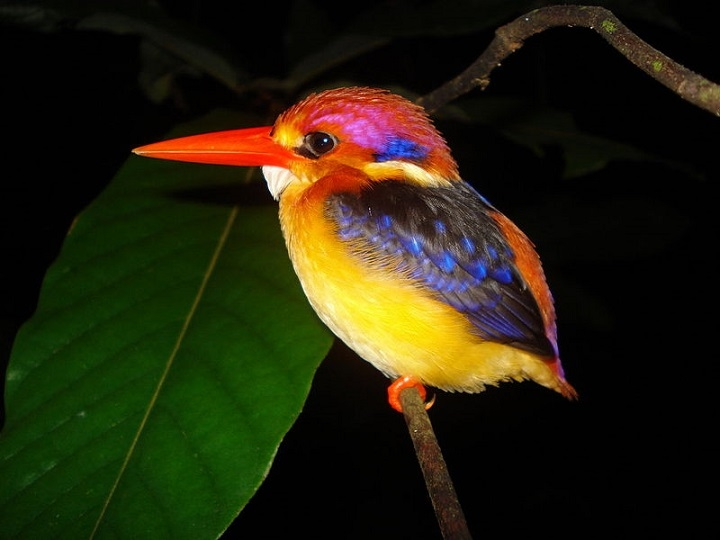
Birdwatching is a delightful activity that brings nature closer to home, and among the most captivating species are the colorful small birds. These vibrant creatures, with their bright plumage and lively personalities, add a touch of beauty and energy to any environment. From tiny hummingbirds to bright finches, small colorful birds are not just a feast for the eyes but also a vital part of the ecosystem. In this article, we’ll explore some of the most stunning and colorful small birds, their characteristics, and why they are so admired by bird enthusiasts around the world.
Introduction to Colorful Small Birds
Small birds are among the most common and diverse avian species found around the world. These birds are often characterized by their bright and intricate plumage, making them stand out against their surroundings. Whether they are flitting through forests, meadows, or your backyard, colorful small birds often serve as reminders of the beauty and wonder of the natural world.
These birds come in a wide array of colors, including reds, blues, yellows, and greens. Their vibrant feathers often serve various functions, such as attracting mates, signaling territory, or camouflaging with their environments. Small birds, despite their size, often play key roles in pollination, seed dispersal, and insect control, making them vital to the health of ecosystems.
In this article, we will highlight some of the most colorful and fascinating small birds, the reasons behind their stunning coloration, and their roles in nature.
Popular Colorful Small Birds
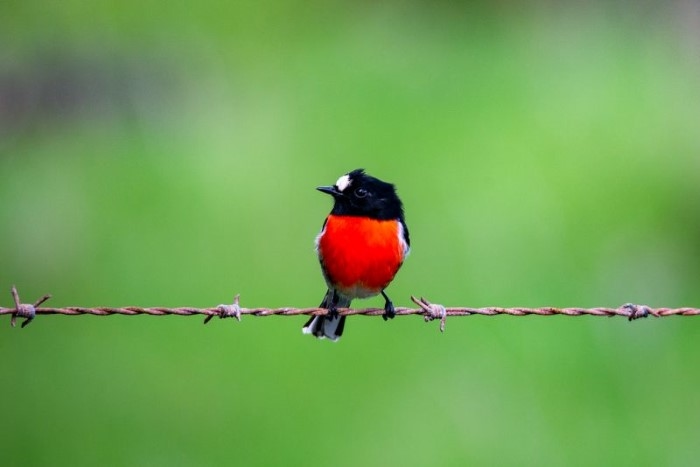
Hummingbirds
Hummingbirds are perhaps the most iconic and dazzling of the small colorful birds. These tiny, energetic birds are known for their iridescent feathers and rapid wing beats. With over 300 species worldwide, hummingbirds are found primarily in North and South America.
Key Features
- Coloration: Hummingbirds are renowned for their bright, metallic feathers that can range from emerald greens to ruby reds. The iridescence is due to the microscopic structure of their feathers, which refract light in a way that produces vivid colors.
- Size: Hummingbirds are incredibly small, with some species measuring just 2 to 3 inches in length.
- Behavior: Known for their ability to hover in mid-air, hummingbirds feed on nectar, using their specialized long bills and rapid wing flaps. They play a crucial role in pollination.
Goldfinches
Goldfinches are small songbirds that are widely recognized for their bright yellow plumage. Commonly found in North America and parts of Europe, these birds bring a splash of sunshine to gardens and fields.
Key Features
- Coloration: Male goldfinches are bright yellow with black wings and a black cap on their heads. Females and young birds are typically a duller yellow-brown color.
- Size: These birds are about 4 to 5 inches long, making them small yet striking with their colorful feathers.
- Diet: Goldfinches primarily feed on seeds, especially those from dandelions, sunflowers, and thistles. Their diet and their behavior of hanging upside down while feeding make them unique.
Scarlet Tanager
The Scarlet Tanager is a striking small bird found in North and South America. The male’s bright red plumage against the dark wings and tail makes it one of the most vivid birds in its habitat.
Key Features
- Coloration: The male Scarlet Tanager has a brilliant scarlet red body with black wings and tail, while the female is more of an olive green or yellowish-brown color.
- Size: This bird measures about 7 to 8 inches in length.
- Habitat: Scarlet Tanagers are often found in dense forests, where they build their nests in the tree canopy.
Mandarin Duck
Though not always associated with “small birds,” the Mandarin Duck is a colorful bird that’s relatively small in size and is often admired for its brilliant hues. Native to East Asia, these ducks are known for their stunning, intricate plumage.
Key Features
- Coloration: The male Mandarin Duck has a vibrant display of oranges, purples, and blues, accented by a distinctive crest on its head. The female is less colorful but still features soft brown and white patterns.
- Size: Mandarin Ducks are small compared to other ducks, with a length of about 13 to 14 inches.
- Behavior: These ducks are often seen in pairs, where the males display their vibrant plumage to attract females.
Rainbow Lorikeet
The Rainbow Lorikeet is a small, brightly colored parrot found in Australia and nearby islands. Its stunning range of colors and playful behavior make it a popular bird for bird watchers.
Key Features
- Coloration: True to its name, the Rainbow Lorikeet has a brilliant combination of colors, including red, blue, green, yellow, and orange. Their colorful feathers make them stand out in the trees where they live.
- Size: The Rainbow Lorikeet is about 12 to 14 inches long.
- Diet: These birds feed on nectar, fruit, and pollen, and are known for their dexterous beaks, which help them access flowers and trees.
Peacock Finch
Native to Central Asia, the Peacock Finch (or Indian Silverbill) is a small bird with beautiful plumage that often makes it a favorite among bird enthusiasts. Its vivid colors are enhanced by its sharp contrast with its surroundings.
Key Features
- Coloration: The male Peacock Finch has bright green and yellow feathers, with red on its chest. The females are more muted in color but still possess the same beautiful patterns.
- Size: These finches are small, typically measuring about 5 to 6 inches long.
- Behavior: They are often found in open grasslands and lightly wooded areas, where they feed on seeds and insects.
Why Do Small Birds Have Bright Colors?
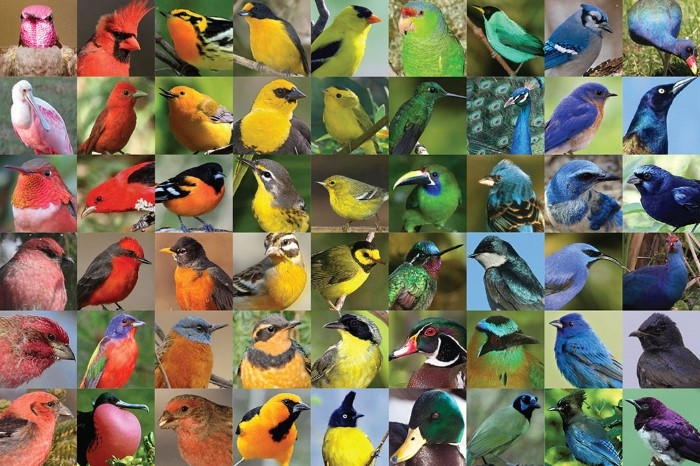
The vibrant colors of small birds are not just for show. They serve various functions in the birds’ lives, from attracting mates to serving as camouflage or warding off predators.
Mating and Attraction
Bright colors are often a sign of a healthy and fit bird, which is why many colorful small birds use their feathers to attract potential mates. In species like the Goldfinch and Scarlet Tanager, males sport the brightest and most vivid colors to show off their vitality, signaling to females that they are strong, healthy, and capable of producing strong offspring.
Camouflage and Protection
In some cases, the bright colors of small birds serve as a form of camouflage. For example, the green feathers of certain species help them blend in with the leaves and branches of trees. This natural camouflage protects them from predators by making it more difficult for them to be spotted.
Territorial Displays
Bright plumage can also serve as a visual indicator of a bird’s territory. Birds such as hummingbirds and finches often use their vibrant colors to warn other males to stay away from their nesting sites. These color displays signal dominance and can help reduce conflict by establishing boundaries.
The Importance of Colorful Small Birds in Ecosystems
Colorful small birds play critical roles in maintaining healthy ecosystems. Many of these birds are pollinators, helping to transfer pollen from one plant to another as they feed on nectar. This is essential for the reproduction of many flowering plants. Additionally, they are important seed dispersers, aiding in the growth and spread of plants across their habitats.
Small birds are also natural pest controllers. By feeding on insects such as mosquitoes, caterpillars, and beetles, they help regulate insect populations, preventing outbreaks of pests that can damage crops and other plants.
FAQs About Colorful Small Birds
What are some of the most colorful small birds?
Some of the most colorful small birds include hummingbirds, goldfinches, Scarlet Tanagers, Rainbow Lorikeets, and the Mandarin Duck.
Why are small birds so colorful?
Bright colors in small birds often serve to attract mates, provide camouflage, signal territory, or ward off predators.
Where can I see colorful small birds?
Colorful small birds can be found in a variety of habitats, including forests, grasslands, gardens, and tropical regions. Backyard bird feeders often attract colorful species such as finches and hummingbirds.
Do colorful small birds play a role in the ecosystem?
Yes, colorful small birds are essential pollinators, seed dispersers, and natural pest controllers, helping maintain the balance of ecosystems.
How can I attract colorful small birds to my garden?
To attract colorful small birds, provide food such as seeds, nectar, and fruits, and plant native flowers and shrubs that offer shelter and nesting opportunities.
Colorful small birds are some of the most beautiful and captivating creatures in the natural world. From the dazzling iridescence of hummingbirds to the bold, bright feathers of goldfinches and lorikeets, these birds add a burst of color and life to their environments. They play crucial roles in ecosystems, from pollination to pest control, and their vibrant plumage is a testament to the diversity and beauty of the avian world. By creating bird-friendly spaces in your own backyard, you can attract these stunning birds and enjoy their beauty while supporting their vital roles in nature.
