

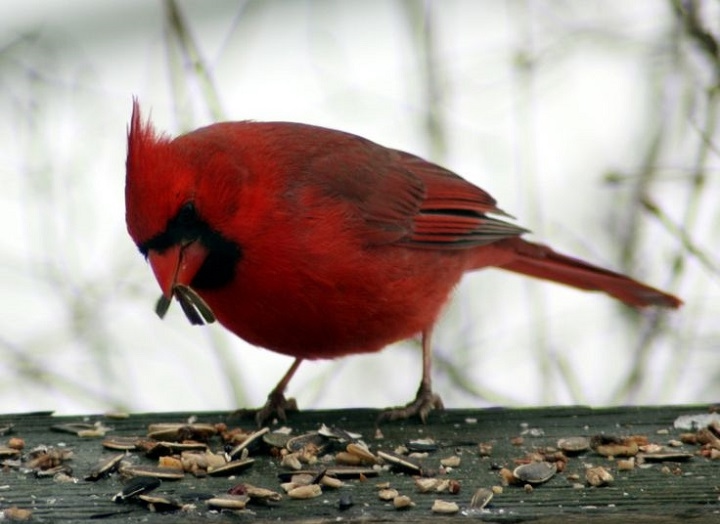
Feeding birds is a delightful way to bring nature closer to home, and one of the best treats you can offer is sunflower seeds. These seeds are not only highly nutritious for birds, but they also attract a wide variety of species, making your backyard a bustling haven for wildlife. In this article, we’ll explore why sunflower seeds are an excellent choice for feeding birds, the types of seeds available, and how to make the most of them to support your local avian population.
Introduction to Sunflower Seeds for Birds
Sunflower seeds are a favorite among birdwatchers and wildlife enthusiasts, and for good reason. These tiny powerhouses are packed with essential nutrients that provide birds with the energy they need to thrive. Whether you’re a beginner bird feeder or an experienced enthusiast, sunflower seeds offer numerous benefits for both the birds and the people who enjoy watching them.
Sunflower seeds are rich in oils, proteins, and essential fatty acids, making them a healthy snack for a wide range of bird species. They come in different forms—shelled, unshelled, and even as part of birdseed blends—each offering unique benefits. In this article, we’ll look at why sunflower seeds are so beneficial for birds, the different types available, and tips for feeding them to your feathered friends.
Why Sunflower Seeds Are Great for Birds
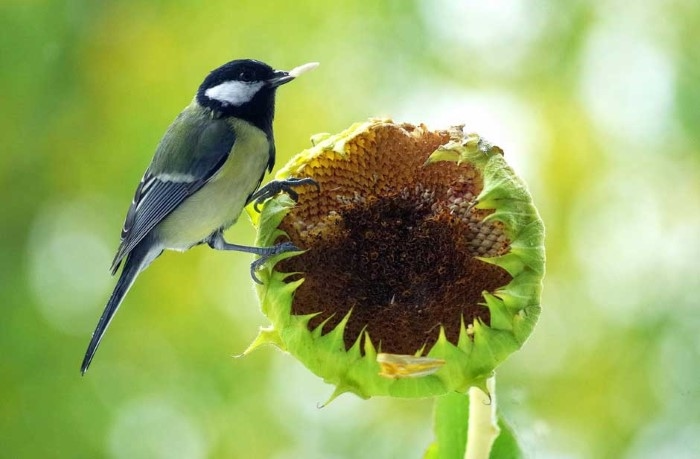
Sunflower seeds are highly nutritious, making them one of the best foods you can offer to your backyard birds. These seeds provide a perfect balance of protein, fat, and carbohydrates, essential for the health of birds, especially during the colder months when energy demands are higher.
High Energy Content
One of the main reasons sunflower seeds are so beneficial for birds is their high fat content. Sunflower seeds are rich in oils, which are an excellent source of energy for birds. This is particularly important during winter, when birds need to consume more calories to stay warm. The high energy content helps birds maintain their body temperature and supports their metabolic needs.
Rich in Nutrients
Sunflower seeds contain essential vitamins and minerals that are vital for bird health. These nutrients include vitamin E, vitamin B, and a variety of minerals such as magnesium, phosphorus, and potassium. Vitamin E, for example, is a powerful antioxidant that supports the immune system and promotes healthy skin and feathers. The B vitamins are crucial for energy metabolism, while the minerals help in bone development and overall bodily functions.
Attracting a Variety of Birds
Sunflower seeds are universally loved by many bird species. Whether it’s chickadees, finches, cardinals, or woodpeckers, sunflower seeds tend to attract a wide variety of birds to your feeder. This makes them a perfect choice for those looking to create a diverse bird-watching experience right in their own backyard. Birds of all sizes enjoy sunflower seeds, from the smaller finches to larger birds like blue jays.
Easy to Feed
Sunflower seeds are incredibly easy to offer to birds. They can be placed in various types of feeders, including tube feeders, platform feeders, or hanging baskets. Whether you use shelled or unshelled seeds, they are simple to clean up and convenient to handle. Sunflower seeds can also be scattered on the ground, making them accessible for ground-feeding birds.
Types of Sunflower Seeds for Birds
When it comes to offering sunflower seeds, there are several different types to choose from, each with its own set of advantages. The most common types of sunflower seeds used in bird feeding are:
Black Oil Sunflower Seeds
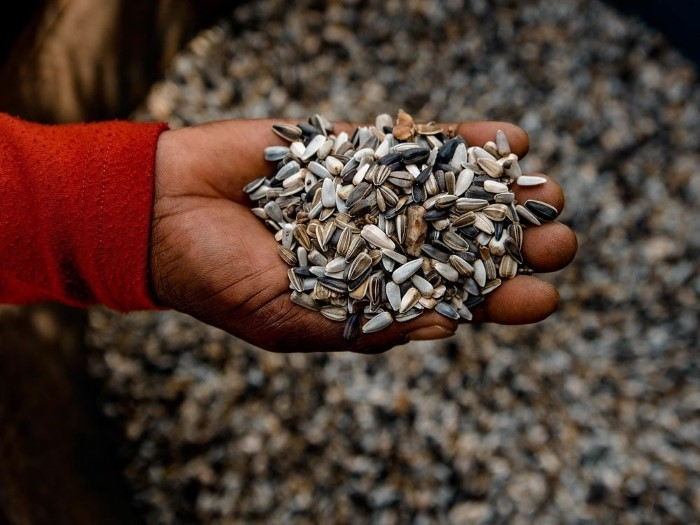
Black oil sunflower seeds are the most popular choice among bird enthusiasts. These seeds have a thin shell that is easy for birds to crack open, making them ideal for smaller birds. The high oil content makes them especially nutritious, providing birds with the energy they need. The seeds themselves are smaller and packed with fat, making them a favorite for many species.
Striped Sunflower Seeds
Striped sunflower seeds have a thicker shell compared to black oil seeds. These seeds are larger and contain less oil, but they are still a good source of nutrition for birds. Striped sunflower seeds are often favored by larger birds like cardinals, jays, and woodpeckers. However, their tougher shells can make them harder to crack for smaller birds.
Shelled Sunflower Seeds
Shelled sunflower seeds are the ultimate convenience for both the birds and the feeder. These seeds have already had their outer shells removed, making them easier for birds to consume. Shelled sunflower seeds are particularly beneficial for older birds or those with beak injuries, as they don’t have to spend energy cracking open the shell. They also produce less mess, as the shells are not scattered around the feeder.
Sunflower Hearts or Chips
Sunflower hearts, also known as sunflower chips, are the inner seed without the shell. These are the most convenient option for feeding birds, as they eliminate the need for the birds to crack open the shells. Sunflower hearts are ideal for a variety of birds, including species that may have difficulty cracking the tougher shells of sunflower seeds. Because they are so easy to eat, sunflower hearts tend to attract a wide variety of birds, including finches, doves, and woodpeckers.
Benefits of Sunflower Seeds for Birds
Sunflower seeds are more than just a tasty treat for birds; they provide significant health benefits that support their overall well-being. Here are some key advantages:
Supports Breeding and Nesting
The high fat content in sunflower seeds is particularly important for birds during breeding season. The extra energy is vital for birds that are preparing to build nests and care for their young. Sunflower seeds help provide the energy required for egg production and the development of healthy chicks.
Helps with Molting
Birds undergo a natural process called molting, where they shed old feathers and grow new ones. Sunflower seeds are rich in proteins and fats, which are crucial for healthy feather growth. By providing sunflower seeds, you can help support your local birds through this important seasonal change.
Improves Immune Health
The vitamins and antioxidants found in sunflower seeds—such as vitamin E—are essential for maintaining strong immune systems. During colder months, birds are more vulnerable to illnesses, and the extra nutritional support provided by sunflower seeds can help them fight off infections and stay healthy.
Tips for Feeding Sunflower Seeds to Birds
Feeding sunflower seeds to birds is simple, but there are a few tips that can help maximize the benefits and minimize waste:
Choose the Right Feeder
Depending on the type of sunflower seed, you may want to use a specific kind of feeder. Black oil sunflower seeds can be used in tube feeders or platform feeders, while sunflower hearts or chips are best suited for tray or platform feeders where birds can easily access them. Striped sunflower seeds are generally better for larger bird species, which prefer larger feeders.
Provide Fresh Seeds Regularly
Birds rely on regular feeding, especially in the winter when food is scarce. To keep your feathered friends healthy, make sure to provide fresh sunflower seeds regularly. Check your feeders for old, spoiled seeds and replace them with new ones to keep the birds coming back.
Mix with Other Seeds for Variety
While sunflower seeds are a fantastic choice, you can also mix them with other types of seeds to offer a balanced diet to your birds. A seed mix that includes millet, safflower seeds, and cracked corn can provide a variety of flavors and nutrients to attract a wide range of bird species.
FAQs about Sunflower Seeds for Birds
Can all birds eat sunflower seeds?
Yes, most bird species enjoy sunflower seeds, though smaller birds tend to prefer black oil sunflower seeds, while larger birds may opt for striped sunflower seeds.
Are sunflower seeds bad for birds?
Sunflower seeds are safe for birds when provided in moderation. Overfeeding sunflower seeds, especially shelled varieties, can lead to a lack of variety in their diet.
How can I prevent mess from sunflower seeds?
Using shelled sunflower seeds or sunflower hearts can help reduce the mess caused by discarded shells. Additionally, placing seeds in a feeder with a tray can catch any excess seeds that fall.
Can sunflower seeds be used year-round?
Yes, sunflower seeds are beneficial year-round. They provide essential nutrition, especially during colder months when food is more difficult for birds to find.
What types of birds are attracted to sunflower seeds?
Bird species such as finches, chickadees, cardinals, jays, woodpeckers, and sparrows are commonly attracted to sunflower seeds.
Sunflower seeds are one of the best food options you can offer to birds, providing essential nutrients, energy, and a tasty treat that attracts a wide variety of species. Whether you’re a seasoned bird watcher or just starting to feed birds in your backyard, sunflower seeds are a convenient and beneficial choice for all kinds of birds. By offering sunflower seeds, you’re not just providing a treat, but you’re also supporting the health and well-being of your local avian population.
