

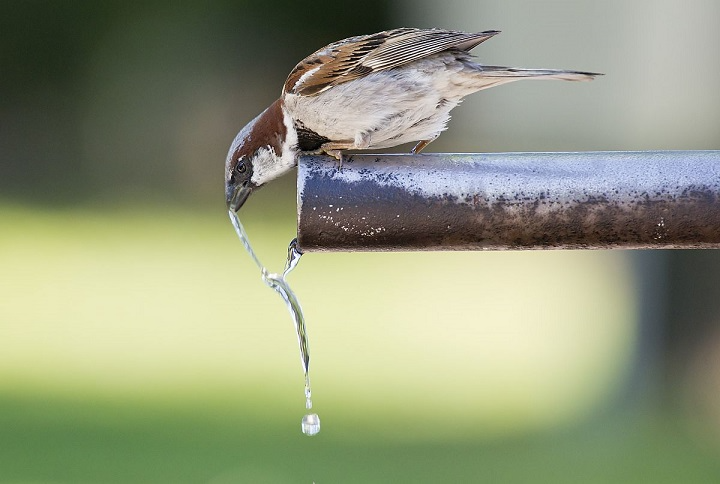
Birds are not lazy. They fly, sing, hunt, and travel long distances. Behind all this movement is one query people pose: do birds drink water? Yes, water is needed by all birds. Some drink puddles, some skim rivers, and others even lick tiny droplets on leaves.
Water is the villain of thirst. Water brings the body temperature down. Water facilitates digestion. Water preps feathers. Without water, there would be no living bird. However, birds do not drink like humans. Beaks, tongues, and even instincts control the ways birds drink.
This tutorial is going to take you into the world of bird drinking. You are going to learn how birds drink, how much water birds drink, where birds drink, and how we can help them. We will be talking about deserts, winters, and even cultural importance centered around birds and water.
Do Birds Drink Water?
Yes, all of them. Small hummingbirds, big eagles, noisy parrots, and stealthy owls all need water. Some drink openly, others secretly. Some get some of the water from food, but even they need liquid sources.
Drinking style also differs by species. The majority tilt their heads back after they put their beak into the water. Pigeons sip continuously in a straw-like manner. Ducks gulp while scooping. Hummingbirds employ flicking short tongues. Variation is as wide as the bird world.
How Do Birds Drink Water?
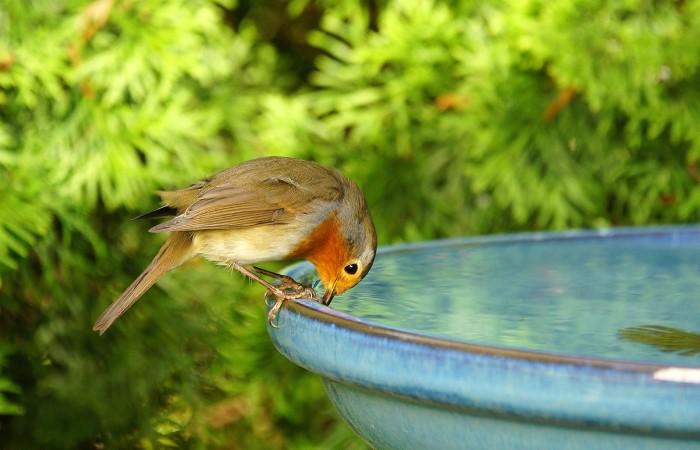
Tilt-and-Sip Method
This is the most common method. A bird sticks its beak in water, takes in some, and then jerks its head back. Gravity will pull the water down the throat. Sparrows, finches, robins, and blackbirds all use this method.
Continuous Sipping
Pigeons and doves are not similar. They can suck water without lifting their heads. It makes them efficient and quick drinkers. Farmers will typically find pigeons in groups standing over troughs drinking like tiny pumps.
Beak Scooping
Ducks, geese, and swans scoop water into their wide bills. They strain mud, insects, or vegetation out and gulp down the mixture. Their bills are sieve-shaped, transforming water into food and drink at the same time.
Droplet Drinking
Small birds also drink droplets. Hummingbirds drink diluted nectar from flowers as a water source. Finches and small warblers drink dew from leaves in the morning. One leaf is enough for one small bird.
How Much Water Do Birds Drink?
The amount depends on bird size, diet, and climate.
- Small songbirds may need water twice their food weight.
- Fruit eaters get extra water from mushy foods like berries and grapes.
- Insect eaters get water from food but also go for fresh water.
- Seed eaters have to drink a lot because seeds are not very soft.
During hot weather, birds go there for drinking repeatedly. A sparrow may drink hourly. Large birds like crows drink less frequently but larger amounts.
Where Do Birds Find Water?
Natural Sources
- Streams and rivers
- Ponds and lakes
- Rain puddles
- Dew on leaves
- Nectar in flowers
Human Sources
- Bird baths in gardens
- Outdoor fountains
- Leaky sprinklers
- Dishes of fresh water placed in shade
Birds pick up information about new sources of water rapidly. A dripping faucet in an urban alleyway will draw as many birds as a forest stream.
Seasonal Drinking Habits
Spring
Rain puddles. Birds adore fresh, shallow water anywhere. Migrants also refuel along the route.
Summer
Heat increases the demand. Birds drink more often. Backyard baths are a lifeline. Dehydration can take hold very rapidly without water.
Autumn
Traveling birds migrate over rivers and wetlands. They drink heavily to sustain themselves for long flights. Grapes and fruits also supply moisture.
Winter
Frozen ponds are an issue. Birds eat snow only when they have to, but it chills their body. Free water, even in modest amounts, is preferable. Warm bird baths take them through cold nights.
Science of Hydration in Birds
Kidneys and Conservation
Kidneys in birds are different from kidneys in mammals. They excrete waste as uric acid. This helps save water so that birds may survive in dryer climates.
Salt Glands in Seabirds
Seabirds like gulls and albatrosses can drink seawater. Special glands close to their eyes drain out excess salt. The salty liquid weeps out in the form of tears.
Metabolic Water
Some desert birds subsist in part on “metabolic water”–the water released by their bodies when food is metabolized. This reduces their dependence on seeking open water.
Bird Drinking Styles
| Bird Type | Drinking Style | Example Species |
| Tilt-and-sip | Fill beak, tilt back | Robins, sparrows |
| Continuous sip | Suck water directly | Pigeons, doves |
| Beak scoop | Scoop and filter | Ducks, swans, geese |
| Droplet drinking | Lick or sip drops | Hummingbirds, finches |
| Salt loss | Expel salt after drinking water | Gulls, albatrosses |
Do Baby Birds Drink Water?
No. Nestlings are reliant on parents. Brought food—worms, insects, regurgitated food—contains moisture content. This quenches chicks’ thirst until fledging. Young birds learn to drink on their own when they leave the nest.
Water and Bathing
Birds use the same water source for bathing and drinking. Bathing removes dust, keeps feathers flexible, and reduces parasites. Preening following sploshing spreads oils to waterproof feathers. Drinking and bathing both keep them in top condition.
Water and Migration
Water is most critical during migration. Wetlands are to birds what airports are to humans—stopover and resting places, where they drink, bathe, and refuel. Without them, many would never complete long flights. That’s why wetland conservation is so important.
Birds of Arid Habitats
Desert Birds
Desert Survival depends on resourcefulness. Birds sip dew at dawn. Some birds dig concealed water. Others eat cactus fruit. Sandgrouse even carry water in feathers to their young.
Grassland Birds
Having fewer open-water places, they sip from cattle troughs or storm puddles.
Forest Birds
Rain puddles, canopy leaves, and brooks offer permanent water.
Urban Birds and Water
Cities are cruel. Pavement blocks natural water. But city birds adapt. They drink from garden hoses, gutters, and fountains. City birders assist by leaving clean bowls of water.
Tales From Birders
- A summer gardener watches robins line up at a shallow pan each afternoon.
- Desert birders watch finches swarm a dripping pipe for hours.
- Chickadees battle winter’s cold to drink at a heated bird bath, steam misting around them.
Each story illustrates how important water is to life.
Issues Birds Face in Obtaining Water
Contamination
Oil spills hide water, spoiling drinking and bathing. Pesticides pollute natural puddles.
Climate Change
Dryer summers and longer dry periods lower water sources. Birds have to go further to obtain a drink.
Predators
Drinking areas exposed might be hazardous. Cats or hawks can pounce on birds visiting for a drink. Shallow, covered baths are safer because of this.
How to Hydrate Birds
Bird Baths
Plain, shallow, and clean. Put them in the vicinity of cover but open enough to observe predators.
Moving Water
Drippers, fountains, and misters draw more species of birds. The noise of water draws them in.
Winter Care
Heated bird baths or hot water pans to ensure they don’t freeze.
Backyard Tips
- Replace water daily.
- Regularly clean baths to avoid algae.
- Put pebbles in so little birds can land.
Cultural Symbolism of Birds and Water
Water, overall, represents life and rebirth in most societies. Birds seen drinking water from rivers were considered to be messengers of the spirits in the past. Seabirds that surfed on the waves were considered to be good fortune by ancient sailors. In poetry, a bird sipping water from a brook would most probably symbolize innocence and liberty.
Fun Facts About Birds and Water
- Certain parrots consume juicy fruits instead of still water.
- Hummingbirds are capable of consuming minute droplets up to 20 times in a morning.
- Owls do not drink water often but obtain most of their water from prey.
- Cranes will frolic and dance in shallow water prior to copulation.
FAQs on Do Birds Drink Water
Do all birds drink water?
Yes. All birds need water but the mechanism is diverse.
Which birds drink differently from others?
Doves and pigeons do not need to tilt their heads to drink.
Do birds ever drink seawater?
Yes, seabirds possess salt-excreting glands.
Do birds need additional water in the summer?
Yes. They need more fluids because of the heat.
How do I make drinking easier for birds?
Provide shallow dishes, birdbaths, or fountains with clean water.
So do birds drink water? Yes. Little finches and big eagles both must get hydrated. Some drink from puddles, others from brooks, and some even lap dew off of leaves. Pigeons drink like straws. Ducks scoop. Hummingbirds zip their tongues. They all do it a little differently, but they all need water.
It sustains them during the heat of summer. It hasn’t frozen them in bad weather. It sparks creativity in the desert. And in urban areas, it binds humans to wild lives beyond their windows.
For birders, it’s simple but effective to offer water. A garden plate, fountain, or warm bath can be a lifesaver. Water fuels flight, song, and life itself. The next time a bird throws back its head after a drink, you’re observing nature’s most precious ritual.
