


As avid bird enthusiasts, one of the joys of nurturing our feathered friends is discovering their culinary preferences and providing them with nutritious and delectable treats. Among the myriad of food offerings available, raisins stand out as a popular human snack, but do they hold the same appeal for our avian companions? In this exploration, we delve into the question: Do birds eat raisins? Let’s unravel the mystery and uncover whether these dried grapes make for a tasty avian treat.
Raisins: A Nutrient-Rich Delicacy
Nutritional Composition:

Raisins are dried grapes that pack a nutritional punch, containing a wealth of vitamins, minerals, and antioxidants. They are rich in natural sugars, fiber, potassium, and iron, making them a wholesome and energy-dense food source for humans.
Human Consumption:
Raisins are a beloved snack enjoyed by people of all ages around the world. Whether eaten on their own, added to baked goods, or sprinkled over salads and cereals, raisins are valued for their sweet flavor, chewy texture, and versatility in culinary applications.
Do Birds Have a Sweet Tooth?
Avian Palate:
Birds possess taste receptors that enable them to detect a wide range of flavors, including sweet, sour, salty, and bitter. While their taste preferences may differ from ours, many bird species have been observed to enjoy foods with a sweet taste profile.
Observational Evidence:
Birdwatchers and backyard bird enthusiasts have reported sightings of birds consuming various fruits, including berries, apples, and grapes. Although raisins are not a natural food source for birds, anecdotal evidence suggests that some avian species may be attracted to their sweet taste and chewy texture.
Factors Influencing Avian Consumption
Species Variation:
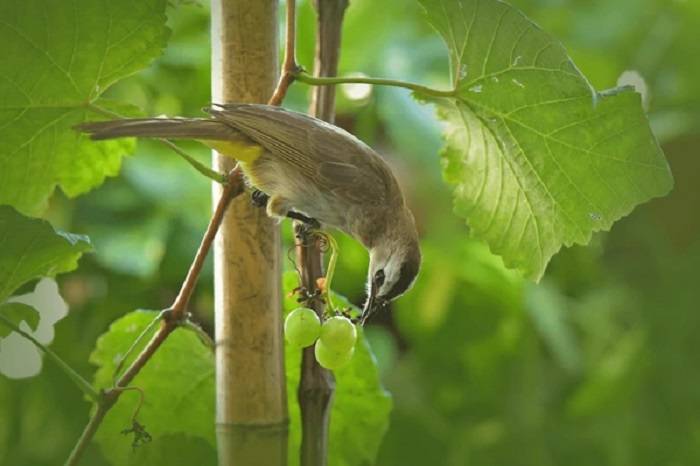
Different bird species have unique dietary preferences and foraging behaviors shaped by their evolutionary history, habitat, and nutritional requirements. While some species may readily consume raisins if offered, others may show little interest or exhibit caution when presented with unfamiliar foods.
Feeding Habits:
Birds exhibit diverse feeding habits, ranging from seed-eaters and insectivores to frugivores and omnivores. Species with a generalist diet, such as robins, starlings, and thrushes, are more likely to sample a variety of foods, including fruits like raisins, as part of their foraging repertoire.
Safe Feeding Practices
Size and Texture:
When offering raisins to birds, it is essential to consider the size and texture of the food item. Raisins are relatively small and may pose a choking hazard for small bird species or fledglings. To mitigate this risk, raisins can be soaked in water to soften them or chopped into smaller pieces before offering them to birds.
Do Birds Relish Raisins
As with any supplementary food, moderation and variety are key when feeding raisins to birds. Raisins should be offered as an occasional treat rather than a staple food source, and they should be accompanied by a diverse array of foods to ensure a balanced diet for our feathered friends.
Related Post:
The Essential Guide to Pet Ducks: Care, Behavior, and Joys of Keeping Ducks
Discovering the Distinctive Charm of Aylesbury Ducks: A Classic Duck Breed
Cracking the Cayuga Duck Egg Mystery: Unveiling the Secrets of Cayuga Duck Eggs
Exploring Duck-Chicken Compatibility: Can They Coexist?
In conclusion, while raisins may not be a staple food for wild birds, they can be offered as an occasional treat to supplement their diet and provide them with a source of natural sugars and essential nutrients. Observational evidence suggests that some bird species may enjoy the sweet taste and chewy texture of raisins, but individual preferences and dietary habits vary among different species. As responsible bird enthusiasts, it is important to exercise caution and mindfulness when offering raisins or any other supplementary foods to birds, ensuring that their nutritional needs are met while minimizing potential risks to their health and well-being. Ultimately, the joy of witnessing our avian companions indulge in a tasty treat is a testament to the bond we share with these remarkable creatures and our commitment to their welfare.
