


Do Muscovy Ducks Mate for Life? It’s a question that has piqued the curiosity of many nature enthusiasts and bird watchers. While some species of birds are known for their lifelong monogamous relationships, such as swans and albatrosses, it’s not always the case for other birds. So, what about Muscovy Ducks?
No, Muscovy Ducks do not mate for life. Unlike some of their avian counterparts, Muscovy Ducks are not known for their unwavering loyalty to a single mate. Instead, they tend to form pair bonds for the breeding season and then move on to new partners the following year.
In this article, we’ll dive deeper into the fascinating world of Muscovy Duck courtship and explore the reasons behind their lack of lifelong partnerships. So, if you’re curious about these unique birds and their mating habits, keep reading to learn more!
Understanding Muscovy Ducks
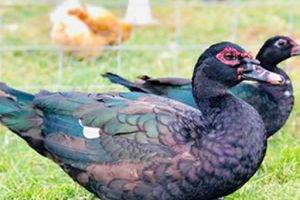
Before we delve into their mating habits, it’s important to understand the nature of Muscovy ducks. Muscovy ducks (Cairina moschata) are large, heavy-bodied ducks native to South America. They are recognized for their striking appearance, with males being significantly larger than females. The males, known as drakes, have bold, vibrant colors and distinctive red wattles around their eyes. The females, called hens, are generally smaller and possess more muted coloration.
Mating Behavior of Muscovy Ducks
Nesting and Reproduction
As the breeding season approaches, Muscovy ducks engage in elaborate courtship displays to attract potential mates. The male often performs impressive physical displays, such as head bobbing, wing flapping, and vocalizations, to showcase its suitability as a partner. The female, in turn, may respond with reciprocal calls and movements to signal her receptiveness.
Once a pair forms, they work together to find a suitable nesting site. Muscovy ducks are known for nesting in tree cavities, hollows, or other secluded locations, providing protection for their eggs and young. The female takes the lead in constructing the nest, using materials like grass, leaves, and feathers. The male remains vigilant, guarding the nesting area to ensure the safety of the female and the upcoming brood.
Egg Incubation and Parental Care
After the female lays a clutch of eggs, typically ranging from 8 to 16, she begins the incubation process. Muscovy ducks exhibit a longer incubation period compared to other duck species, lasting about 35 days. During this time, the female diligently tends to the eggs, occasionally leaving the nest to feed but returning promptly to maintain the optimal incubation conditions.
Once the eggs hatch, both parents actively participate in caring for the ducklings. Muscovy ducklings are known for their ability to climb and jump, allowing them to leave the nest shortly after hatching. The attentive parents guide their offspring to water sources and provide protection against predators. This collaborative parental care contributes to the survival and well-being of the young Muscovy ducks.
Social Structure and Interactions
Muscovy ducks often congregate in loose social groups, which may include multiple pairs and their offspring. Within these groups, hierarchical structures develop, with dominant individuals asserting themselves through displays of aggression or vocalizations. Social interactions play a crucial role in determining mating opportunities and access to resources.
Despite their social tendencies, Muscovy ducks are also known for their somewhat territorial behavior, especially during the breeding season. Males may engage in confrontations to establish dominance and secure mating privileges, while females may actively choose partners based on these displays of strength and status.
In conclusion, the mating habits of Muscovy ducks involve a dynamic interplay of pair bonding, courtship rituals, nesting, and collaborative parental care. Their flexible approach to monogamy, influenced by environmental factors and social dynamics, contributes to the intriguing complexity of their mating behavior.
Courtship and Breeding
Courtship Displays
Courtship rituals play a crucial role in the mating process of Muscovy ducks. Males engage in elaborate displays to attract females. These displays often involve puffing up their feathers, wagging their tails, and extending their wings to showcase their size and attractiveness. The males also emit low-pitched hisses and make soft calls to capture the attention of the females.
Nesting and Egg Laying
Once a pair bond is established, the female Muscovy duck begins the process of nesting. They search for suitable nesting sites, which can vary from tree cavities to abandoned buildings or even dense vegetation near water bodies. The female constructs the nest using materials such as leaves, grass, and feathers.
After the nest is ready, the female starts laying eggs. Muscovy ducks typically lay one egg per day until they have a complete clutch. The average clutch size ranges from 8 to 16 eggs, although it can vary depending on the individual and environmental conditions.
Incubation Period
After the female has finished laying all the eggs, she begins the incubation process. Muscovy ducks, unlike many other duck species, are known for their strong nesting instincts and dedication to incubating their eggs. The incubation period lasts for approximately 35 days, during which the female diligently sits on the nest to keep the eggs warm.
Raising Ducklings
Once the eggs hatch, the female Muscovy duck leads her ducklings to the nearest water source. The ducklings are precocial, meaning they are capable of independent movement shortly after hatching. The mother provides guidance and protection, teaching her ducklings to find food and avoid potential dangers.
Factors Influencing Mating Behavior
Sexual Maturity
Sexual maturity is an important factor influencing the mating behavior of Muscovy ducks. Typically, males reach sexual maturity around 7 to 9 months of age, while females become sexually mature around 5 to 7 months of age. Once they reach maturity, they actively participate in courtship and seek mates.
Social Hierarchy
Social hierarchy within Muscovy duck populations can impact mating behavior. Dominant males often have an advantage in attracting and retaining mates, while subordinate males may have fewer opportunities for pairing. The social dynamics and competition for mates can influence the stability of pair bonds and the possibility of mate changes.
Availability of Mates
The availability of mates plays a significant role in the mating behavior of Muscovy ducks. In areas with a higher population density of Muscovy ducks, there may be more competition for mates, leading to increased mate changes. Conversely, in areas with limited available mates, pair bonds may be more stable.
Environmental Factors
Environmental factors such as food availability, nesting sites, and overall habitat conditions can influence the mating behavior of Muscovy ducks. Adequate resources and favorable nesting locations contribute to the successful formation and maintenance of pair bonds.
Comparison with Other Duck Species
When comparing the mating behavior of Muscovy ducks with other duck species, it’s important to note that Muscovy ducks exhibit a unique combination of monogamous tendencies and flexibility in mate selection. While they share certain characteristics with strictly monogamous species, they also display the ability to change mates when circumstances require them.
Understanding the intricate dynamics of Muscovy duck mating habits not only provides insights into their unique behavior but also enhances our appreciation for the diversity of avian species and their remarkable adaptations.
FAQs
FAQ 1: Do Muscovy ducks mate for life?
Muscovy ducks do not strictly mate for life. While they form pair bonds that can last for several breeding seasons, they also exhibit the flexibility to change mates under certain circumstances.
FAQ 2: How long do Muscovy ducks stay with their mate?
The duration of a Muscovy duck pair bond can vary. Some pairs may stay together for several breeding seasons, while others may change mates sooner. The stability of the pair bond is influenced by factors such as social hierarchy and the availability of mates.
FAQ 3: Can Muscovy ducks change mates?
Yes, Muscovy ducks have the ability to change mates. Factors such as the loss of a partner, changes in a social hierarchy, or the availability of more desirable mates can lead to the dissolution of a pair bond and the formation of new pairings.
FAQ 4: What happens if a Muscovy duck loses its mate?
If a Muscovy duck loses its mate, it may seek out a new partner. Muscovy ducks are adaptable in their mating behavior and can form new pair bonds if their previous partner is no longer present.
FAQ 5: How can I encourage breeding in Muscovy ducks?
To encourage breeding in Muscovy ducks, provide them with suitable nesting sites, such as nesting boxes or secluded areas with ample vegetation. Ensure they have access to a balanced diet and a clean water source. Creating a favorable environment can promote breeding behaviors in Muscovy ducks.
Now that we have explored the fascinating mating habits of Muscovy ducks, we can appreciate the complexities of their relationships and the natural wonders of the avian world. So, take a moment to observe these graceful creatures as they engage in courtship displays and form pair bonds, reminding us of the diversity and beauty of nature.
Conclusion
In conclusion, Muscovy ducks exhibit fascinating mating behavior that combines aspects of monogamy and flexibility in mate selection. While they form pair bonds that can last for an extended period, they are not strictly monogamous and can change mates under certain circumstances. Courtship displays, nesting, and incubation are integral parts of their mating rituals, leading to the successful reproduction and raising of ducklings
