

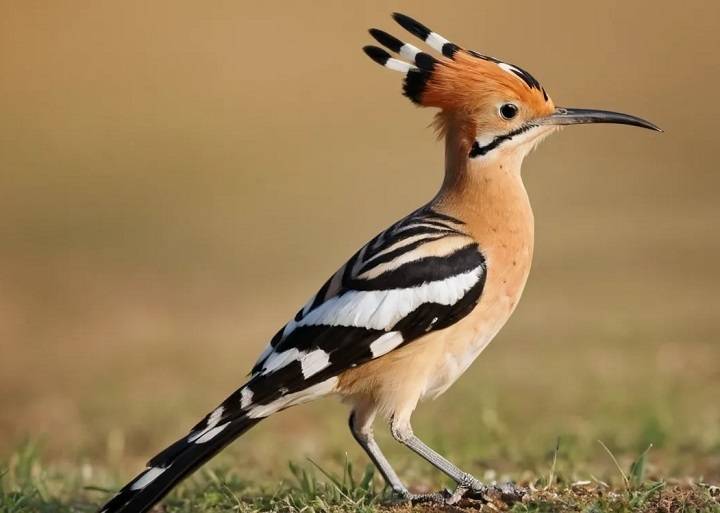
In the realm of avian wonders, few birds capture the imagination quite like the hoopoe. With its distinctive crown of feathers, vibrant plumage, and unique behaviors, the hoopoe stands as a symbol of elegance and mystique. Found across Europe, Asia, and Africa, this fascinating bird has fascinated naturalists and bird enthusiasts for centuries. In this comprehensive exploration, we delve into the captivating world of the hoopoe, uncovering its extraordinary traits, ecological significance, and cultural symbolism.
The Hoopoe’s Appearance
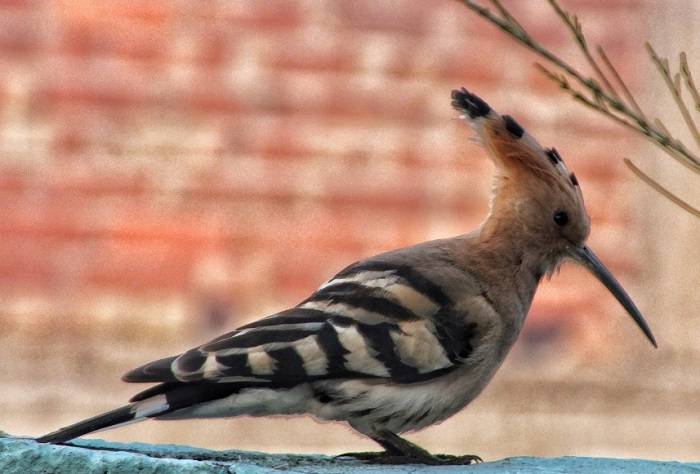
Crown of Feathers:
One of the hoopoe’s most striking features is its majestic crown of feathers, which it can erect and display during courtship or when alarmed. The crown consists of narrow, tapering feathers that form a distinctive fan-shaped crest, enhancing the bird’s regal appearance.
Vibrant Plumage:
Hoopoes boast a kaleidoscope of colors, with a rich blend of earthy tones including cinnamon, buff, black, and white. Their intricate plumage serves as both camouflage and adornment, allowing them to blend seamlessly into their natural habitat while also dazzling observers with their beauty.
Habitat and Distribution
Global Range:
Hoopoes are found in a wide range of habitats, including open woodlands, savannas, grasslands, and scrublands, preferring areas with ample vegetation and access to water sources. They are distributed across Europe, Asia, and Africa, with some populations undertaking seasonal migrations to exploit favorable breeding and foraging grounds.
Nesting Habits:
Hoopoes are cavity nesters, utilizing natural hollows in trees, cliffs, or walls, as well as man-made structures such as abandoned burrows or buildings. The female typically lays a clutch of eggs, which she incubates while the male provides food and defends the nest against intruders.
Feeding Behavior
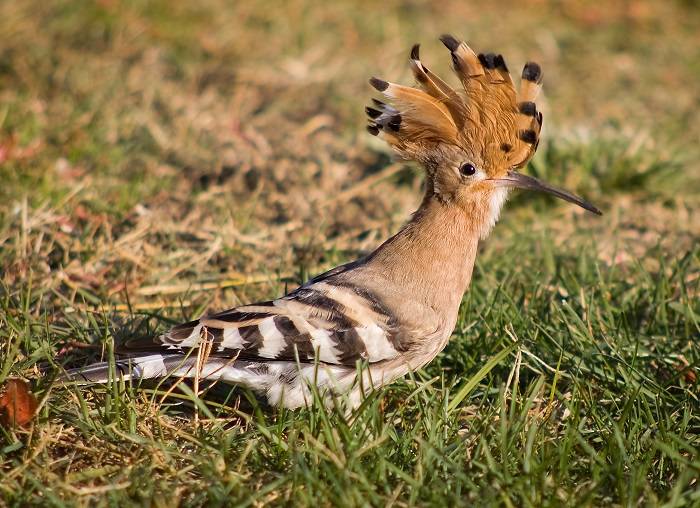
Insectivorous Diet:
Hoopoes are primarily insectivorous, feeding on a variety of insects, larvae, and other invertebrates found in the soil and leaf litter. Their long, slender bills and specialized foraging techniques enable them to probe and extract prey from crevices and cracks with remarkable precision.
Feeding Strategies:
Hoopoes employ a range of feeding strategies, including probing, pecking, and pouncing, to capture prey both on the ground and in the air. They are particularly adept at detecting underground prey using their sensitive bills, which they use to probe the soil in search of hidden insects.
Breeding Biology
Courtship Rituals:
During the breeding season, hoopoes engage in elaborate courtship displays characterized by aerial acrobatics, vocalizations, and visual cues such as crest raising and tail spreading. These displays serve to attract mates and reinforce pair bonds, culminating in the formation of monogamous breeding pairs.
Egg Incubation and Parental Care:
Once the female has laid her eggs, both parents take turns incubating the eggs and feeding the hatchlings. The young are born altricial, with sparse downy feathers and closed eyes, and rely entirely on their parents for warmth, protection, and nourishment during the early stages of development.
Cultural Significance
Mythological Symbolism:
The hoopoe holds a special place in the mythology and folklore of various cultures, symbolizing wisdom, protection, and renewal. In ancient Egyptian mythology, the hoopoe was associated with the god Thoth, the patron of wisdom and writing, while in Islamic tradition, it is revered as a symbol of virtue and guidance.
Enigmatic Hoopoe
Literary References:
The hoopoe has also inspired poets, writers, and artists throughout history, appearing in works of literature, poetry, and art as a symbol of beauty, grace, and mystery. Its distinctive appearance and enigmatic behaviors have captivated the imaginations of storytellers and artists for centuries.
Conservation Challenges
Habitat Loss and Degradation:
Like many other bird species, hoopoes face threats from habitat loss, fragmentation, and degradation due to human activities such as agriculture, urbanization, and deforestation. Protecting and restoring their natural habitats is essential for ensuring the long-term survival of hoopoe populations.
Climate Change:
Climate change poses additional challenges for hoopoes, altering the timing of seasonal events such as breeding and migration and disrupting the availability of food and resources. Monitoring and mitigating the impacts of climate change on hoopoe populations is crucial for their conservation.
Related Post:
Exploring the Kaleidoscope of Call Duck Colors
Discovering the Friendliest Duck Breed: Feathers and Companionship
Exploring the Enchanting World of Call Ducks: Miniature Marvels
In conclusion, the hoopoe embodies the timeless allure of the natural world, captivating our hearts and minds with its beauty, grace, and resilience. As stewards of the environment, it is our responsibility to safeguard the habitats and ecosystems that sustain hoopoe populations, ensuring that future generations can continue to marvel at the sight of these magnificent birds in the wild. By raising awareness, supporting conservation efforts, and fostering a deeper appreciation for the wonders of nature, we can help protect the hoopoe and other avian treasures for generations to come.
