


In the intricate tapestry of the animal kingdom, few creatures inspire both fascination and fear like the Goliath bird-eating spider. With its massive size, impressive strength, and formidable appearance, this arachnid predator commands attention and captures the imagination of adventurers and arachnophiles alike. In this comprehensive exploration, we embark on a journey into the world of the Goliath bird-eating spider, uncovering its biology, behavior, and the myths and realities that surround this awe-inspiring creature.
The Giant Among Arachnids

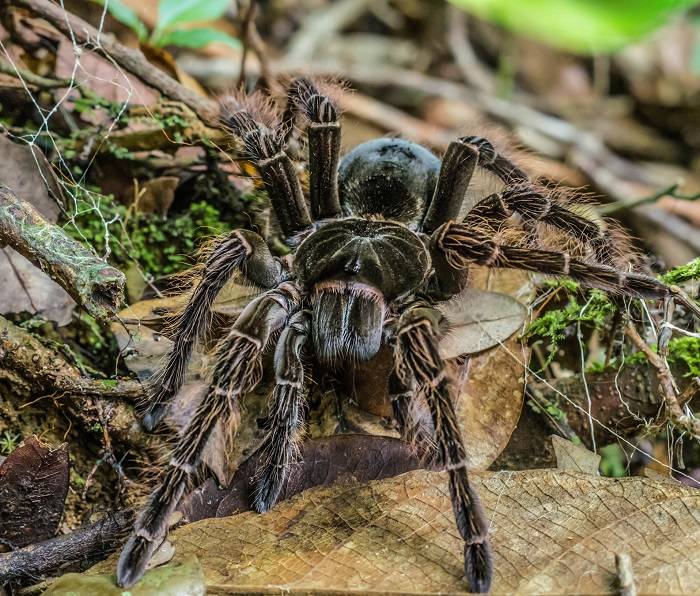
The Goliath bird-eating spider, scientifically known as Theraphosa blondi, is one of the largest and most imposing spiders on the planet. Found primarily in the rainforests of South America, this formidable arachnid is renowned for its massive size, with some individuals boasting leg spans of up to 12 inches or more. Despite its name, the Goliath bird-eating spider does not exclusively prey on birds, but rather feeds on a variety of small vertebrates, insects, and other arthropods that inhabit its native habitat.
Anatomy and Physiology: Adaptations for Predatory Prowess
The Goliath bird-eating spider possesses a number of anatomical and physiological adaptations that make it a highly effective predator in its environment. Its large size and powerful jaws enable it to capture and subdue prey much larger than itself, while its eight legs and adhesive footpads provide exceptional agility and maneuverability. Additionally, the spider’s venomous fangs deliver a potent neurotoxic venom that quickly immobilizes its victims, allowing the spider to consume them at its leisure.
Feeding Behavior: The Myth of Bird Predation
Contrary to its name, the Goliath bird-eating spider does not regularly prey on birds in the wild. While it is true that these spiders are capable of capturing and consuming small birds, such instances are relatively rare and typically occur only in exceptional circumstances. Instead, the Goliath bird-eating spider primarily feeds on a diet of insects, frogs, lizards, and other small vertebrates that it encounters in its natural habitat. Nevertheless, the spider’s fearsome reputation as a bird predator persists, fueled in part by sensationalized media accounts and urban legends.
Reproduction and Life Cycle: The Circle of Life
Like all spiders, the Goliath bird-eating spider undergoes a complex reproductive process that begins with courtship and ends with the birth of offspring. During the mating season, male spiders will seek out female mates and engage in elaborate courtship rituals to win their favor. Once mating is complete, the female will lay a clutch of eggs and guard them fiercely until they hatch. Upon hatching, the spiderlings will undergo a series of molts as they grow and develop, eventually reaching adulthood and continuing the cycle of life.
Conservation Status: Threats and Challenges
Despite its impressive size and fearsome reputation, the Goliath bird-eating spider faces numerous threats to its survival in the wild. Habitat loss, deforestation, and the illegal pet trade are among the primary factors contributing to population declines in many areas of its range. Additionally, climate change and habitat fragmentation further exacerbate these threats, placing additional pressure on already vulnerable populations. As a result, conservation efforts are underway to protect and preserve the remaining habitats of this iconic species and ensure its survival for future generations to enjoy.
Goliath Bird Eating Spider
In conclusion, the Goliath bird-eating spider is a marvel of evolution and a testament to the incredible diversity and complexity of life on Earth. Despite its fearsome appearance and formidable reputation, this iconic arachnid plays a vital role in its native ecosystem, helping to regulate insect populations and maintain ecological balance. By understanding and appreciating the biology, behavior, and conservation needs of the Goliath bird-eating spider, we can gain a deeper appreciation for the wonders of the natural world and the important role that spiders and other arthropods play in shaping the world around us.
