

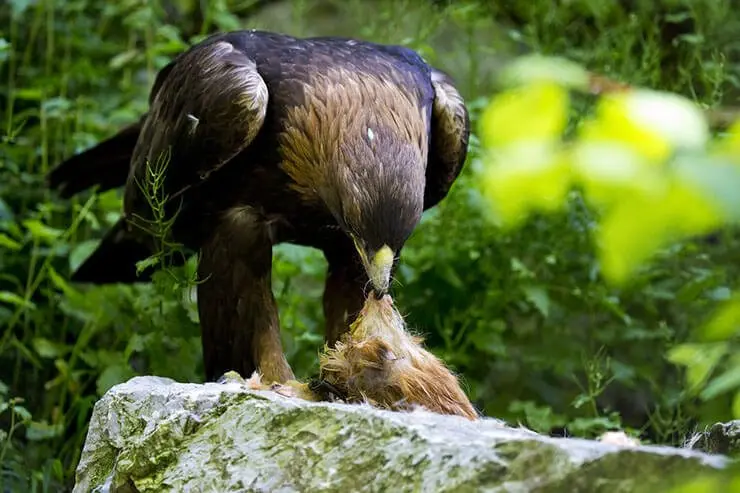
Raptors, with their majestic wingspans and keen eyesight, are among the most captivating creatures of the sky. Among them, hawks and eagles stand out as iconic symbols of power and grace. While they share similarities in their appearance and behavior, there are distinct differences that set them apart. In this comprehensive guide, we’ll delve into the intricate details that distinguish hawks from eagles, equipping you with the knowledge to identify these magnificent birds with confidence.
Understanding Raptors: An Overview

Before diving into the specifics of hawks and eagles, let’s take a moment to appreciate the broader category of raptors. Raptors, also known as birds of prey, are characterized by their sharp talons, hooked beaks, and exceptional hunting abilities. These birds play a crucial role in maintaining ecological balance by controlling populations of rodents and other small mammals.
The Anatomy of Flight: Exploring Hawk and Eagle Features
- Size and Proportions
- Wing Shape and Flight Patterns
- Beak Structure and Talon Size
- Plumage and Coloration
Distinguishing Features: Hawks vs. Eagles
Now that we have a basic understanding of raptor anatomy, let’s examine the specific features that differentiate hawks from eagles.
- Size Matters: Understanding the Scale
- Wing Shape: Gliding vs. Soaring
- Beak and Talon Distinctions
- Plumage Patterns: Camouflage vs. Display
Hawk Identification: Species Spotlight
- Red-tailed Hawk (Buteo jamaicensis)
- Cooper’s Hawk (Accipiter cooperii)
- Sharp-shinned Hawk (Accipiter striatus)
- Broad-winged Hawk (Buteo platypterus)
Eagle Identification: Species Spotlight
- Bald Eagle (Haliaeetus leucocephalus)
- Golden Eagle (Aquila chrysaetos)
- White-tailed Eagle (Haliaeetus albicilla)
- Stellar’s Sea Eagle (Haliaeetus pelagicus)
Habitat and Range: Where Hawks and Eagles Roam
- Hawks: Masters of Diverse Habitats
- Eagles: Lords of the Sky
Behavioral Contrasts: Hunting and Nesting Habits
- Hunting Techniques: Stealth vs. Soaring
- Nesting Preferences: Cliff Dwellers vs. Treetop Nests
Conservation Status: Challenges and Threats
- Habitat Loss and Fragmentation
- Human Impact: Pollution and Climate Change
- Hunting and Persecution
The Role of Conservation Efforts
- Habitat Preservation and Restoration
- Captive Breeding and Reintroduction Programs
- Public Awareness and Education
In conclusion, the world of raptors is rich with diversity, with hawks and eagles representing just a fraction of the myriad species that grace our skies. By understanding the unique characteristics of these birds, we gain a deeper appreciation for their place in the natural world. Whether soaring high above mountain peaks or hunting stealthily in dense forests, hawks and eagles embody the spirit of freedom and strength. Let us cherish and protect these magnificent creatures for generations to come.
Exploring the Intricacies of Raptor Identification
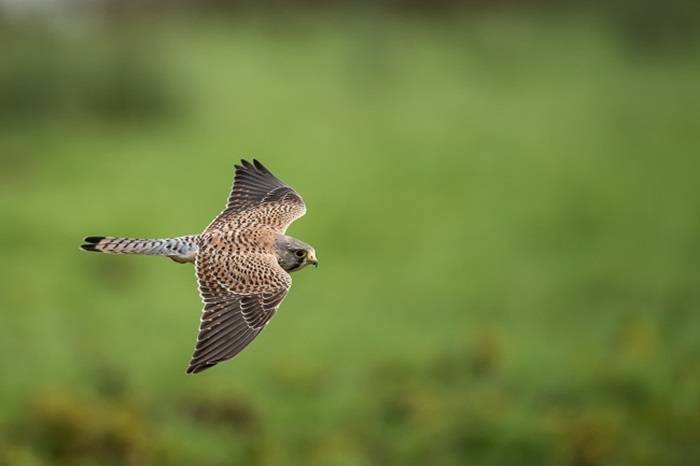
As we delve deeper into the world of raptors, it becomes evident that their identification is not merely a matter of size or coloration but a nuanced understanding of their behavior, habitat preferences, and ecological roles. Let’s continue our exploration by examining some lesser-known aspects of hawk and eagle identification.
The Art of Observation: Field Techniques
Identifying hawks and eagles in the wild requires keen observation skills and attention to detail. Seasoned birdwatchers often rely on a combination of visual cues, including silhouette, flight pattern, and vocalizations, to distinguish between species. Understanding the behavior of these birds can also provide valuable clues, such as the way they hunt or interact with other individuals.
Silhouette and Flight Patterns
One of the most reliable methods for identifying raptors in flight is to observe their silhouette against the sky. Hawks typically have broader wings and shorter tails, giving them a more rounded silhouette, whereas eagles have longer, broader wings and distinctively longer tails, giving them a more rectangular silhouette. Additionally, hawks tend to flap their wings more rapidly and glide for shorter distances, while eagles soar effortlessly on thermal currents, often with their wings held in a slight dihedral shape.
Vocalizations: The Language of Raptors
While hawks and eagles are not known for their melodious songs like some other bird species, they do communicate with a variety of vocalizations, including calls, screams, and chirps. These vocalizations can vary depending on the situation, with some calls used for territorial defense, mating displays, or communication between mates and offspring. Learning to recognize these vocalizations can be a valuable tool for identifying raptors in the field, especially when visual cues are limited.
Migratory Behavior: Seasonal Movements
Many species of hawks and eagles are migratory, traveling thousands of miles each year between their breeding and wintering grounds. Understanding the timing and routes of migration can provide important clues for identifying these birds, as well as opportunities for observing large concentrations of raptors as they pass through migration corridors. For example, the fall migration of broad-winged hawks in North America is a spectacle that attracts birdwatchers from around the world, as thousands of birds form “kettles” or swirling flocks as they ride thermal updrafts on their journey south.
Adaptations to the Environment: Specialized Features
Each species of hawk and eagle has evolved a unique set of adaptations to suit its specific habitat and hunting strategy. For example, the osprey (Pandion haliaetus) is a specialized fish-eating raptor with reversible outer toes and spiny foot pads that help it grip slippery fish as it dives feet-first into the water. Similarly, the harpy eagle (Harpia harpyja) of Central and South America is equipped with exceptionally powerful talons and a robust beak for capturing and killing large prey such as monkeys and sloths in the dense rainforest canopy.
The Role of Raptors in Ecosystem Health
Beyond their charismatic appeal, hawks and eagles play a crucial role in maintaining ecosystem health and balance. As top predators, they help regulate populations of prey species, preventing overpopulation and promoting biodiversity. In addition, their presence can have cascading effects throughout the food web, influencing the behavior and distribution of other species, from small mammals and birds to insects and plants.
The Future of Raptor Conservation
As human populations continue to expand and habitats shrink, raptors face a growing number of threats, including habitat loss, pollution, climate change, and persecution. Conservation efforts are therefore crucial for ensuring the survival of these iconic birds for future generations. By protecting their habitats, reducing human-wildlife conflicts, and raising awareness about the importance of raptors in ecosystems, we can help secure a brighter future for hawks, eagles, and all birds of prey.
Hawk And Eagle Difference
Related Post:
The Essential Guide to Pet Ducks: Care, Behavior, and Joys of Keeping Ducks
Discovering the Distinctive Charm of Aylesbury Ducks: A Classic Duck Breed
Unlocking the Mysteries of Duck Egg Laying: How Often Do Ducks Lay Eggs?
In conclusion, the world of hawks and eagles is a fascinating realm filled with diversity, complexity, and beauty. By honing our observation skills, learning to appreciate the subtle nuances of raptor identification, and advocating for their conservation, we can ensure that these majestic birds continue to grace our skies for years to come. Whether soaring over rugged mountain peaks or hunting silently in the depths of the forest, hawks and eagles inspire awe and admiration, reminding us of the importance of protecting our natural world.
