

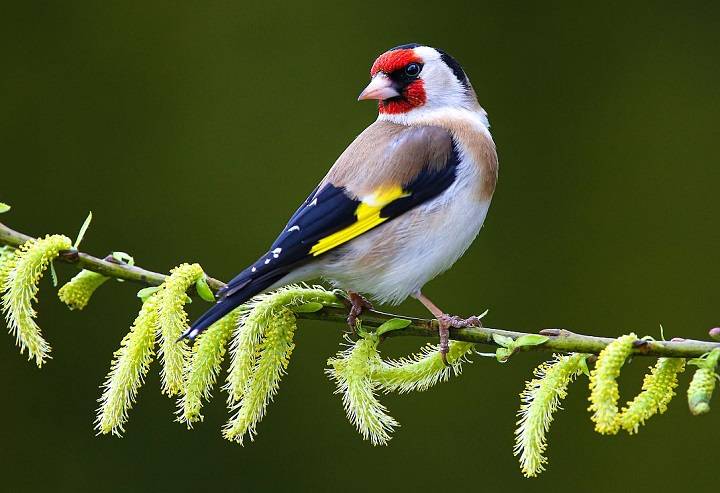
Juvenile goldfinches, with their distinctive plumage and playful antics, are a delightful sight to behold in gardens and woodlands across the United Kingdom. These young birds undergo remarkable transformations as they transition from fluffy nestlings to vibrant adults, displaying unique behaviors and characteristics along the way. In this comprehensive guide, we’ll delve into the captivating world of juvenile goldfinches in the UK, exploring their appearance, behavior, habitat, diet, conservation status, and tips for attracting and supporting them in your local area.
Understanding Juvenile Goldfinches
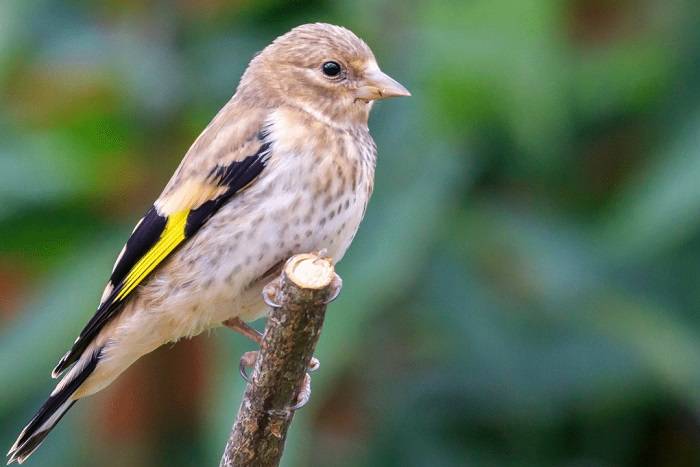
Appearance:
Juvenile goldfinches display a more subdued coloration compared to adults, with muted brown and gray plumage streaked with hints of yellow and white. Their distinctive black and white wing markings and bold facial patterns distinguish them from other young bird species.
Development:
Juvenile goldfinches undergo rapid growth and development in their first few weeks of life, transitioning from helpless hatchlings to confident fledglings capable of flight and foraging. They rely on their parents for food and protection during this critical period.
Behavior and Social Dynamics
Family Bonds:
Juvenile goldfinches maintain close bonds with their parents and siblings during the early stages of their lives, relying on them for guidance, food, and protection. They often forage and roost together as a family unit, learning essential survival skills from their parents.
Playful Nature:
Young goldfinches exhibit playful and curious behaviors, engaging in acrobatic flights, playful chases, and social interactions with other juveniles and adult birds. These playful antics help them develop essential motor skills and social bonds within their flock.
Habitat and Range
Preferred Habitats:
Juvenile goldfinches inhabit a variety of habitats, including gardens, parks, woodlands, hedgerows, and urban areas with abundant food sources and suitable nesting sites. They are adaptable birds capable of thriving in diverse environments.
Range and Distribution:
Goldfinches are widespread throughout the UK, found in all regions from the Scottish Highlands to the English countryside and beyond. They are particularly common in southern and central England but can be spotted in various habitats across the country.
Diet and Feeding Habits
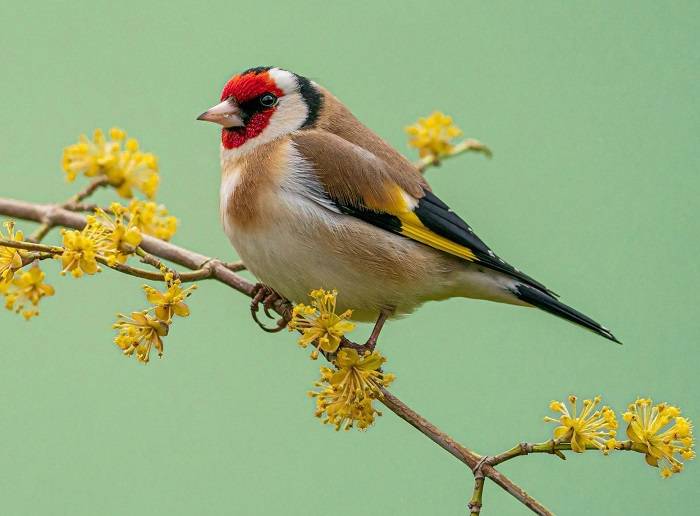
Seed Specialists:
Juvenile goldfinches, like their adult counterparts, are primarily seed-eaters, with a particular fondness for thistle seeds, sunflower hearts, and nyjer seed. They use their specialized beaks to extract seeds from seed heads and feeders with precision.
Natural Foraging Behavior:
Young goldfinches forage for seeds in grasslands, meadows, and open areas, often forming small flocks with other juveniles and adults. They feed on a variety of plant seeds, weeds, and grasses, supplementing their diet with insects and small invertebrates.
Conservation Status and Threats
Stable Population:
Goldfinches are relatively common and widespread in the UK, with stable populations across their range. They benefit from the availability of food sources in gardens and urban areas and are not considered at risk of extinction.
Juvenile Goldfinches in the UK
Threats and Challenges:
While juvenile goldfinches face few direct threats, they are vulnerable to habitat loss, pesticide use, and predation by cats and other predators. Conservation efforts focused on habitat restoration, pesticide reduction, and predator control can help support their populations.
Tips for Attracting Juvenile Goldfinches
Provide Food Sources:
Set up bird feeders stocked with nyjer seed, sunflower hearts, and thistle seeds to attract juvenile goldfinches to your garden. Opt for feeders with small perches and multiple feeding ports to accommodate their small size and agile feeding behavior.
Create Habitat Diversity:
Plant a variety of native plants, shrubs, and flowers in your garden to provide natural food sources and shelter for juvenile goldfinches. Include thistles, teasels, sunflowers, and other seed-bearing plants favored by goldfinches.
Related Post:
Exploring the Dazzling Beauty of the Golden Pheasant
The Enigmatic Shoebill: Counting the Remaining Giants of the Wetlands
Lilac-Breasted Roller: Wings of Radiance in the African Wilderness
In conclusion, juvenile goldfinches are charming and charismatic birds that bring joy and vitality to gardens and natural habitats across the UK. From their endearing appearance and playful behaviors to their reliance on diverse habitats and food sources, these young birds embody the resilience and adaptability of wildlife in our changing world. By understanding their unique characteristics, supporting their habitat needs, and fostering conservation efforts, we can ensure that future generations have the opportunity to experience the beauty and wonder of juvenile goldfinches in the UK. Whether you’re a seasoned birdwatcher or a curious nature enthusiast, observing and celebrating the fascinating world of juvenile goldfinches is a rewarding experience that fosters a deeper connection with the natural world and inspires conservation action.
