


Birds can be a delightful presence in our lives, but when they leave their mark on our vehicles with droppings, feathers, or scratches, it can quickly become frustrating. Thankfully, there are numerous strategies and preventive measures you can take to keep birds away from your car and protect its exterior. In this comprehensive guide, we’ll explore effective techniques, products, and habits to birdproof your vehicle and maintain its pristine appearance.
Understanding Bird Behavior:
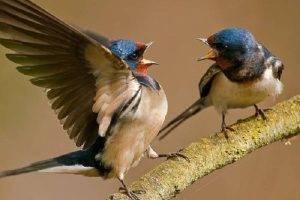
Before implementing bird deterrents, it’s essential to understand why birds are attracted to cars in the first place. Birds may perch on vehicles to rest, seek shelter, or scavenge for food, such as insects or debris caught in the grille or vents. Additionally, birds may mistake shiny or reflective surfaces on cars for water sources, especially during hot weather. By understanding these behaviors, you can tailor your birdproofing strategies to effectively deter birds from your vehicle.
Parking Considerations:
One of the simplest ways to minimize bird activity around your car is to choose your parking spots wisely. Whenever possible, park your vehicle in covered or enclosed areas, such as garages or carports, to shield it from bird droppings and other debris. If covered parking is unavailable, consider parking under trees with dense foliage to provide natural shade and discourage birds from roosting on your car.
Physical Barriers:
Physical barriers are an effective way to prevent birds from landing or perching on your vehicle. You can install bird spikes, strips, or deterrent netting on areas where birds commonly roost, such as roof ledges, side mirrors, or window sills. These barriers create an uncomfortable surface for birds to land on, discouraging them from lingering on your car. Be sure to choose birdproofing products that are safe for your vehicle’s exterior and won’t cause damage.
Visual Deterrents:
Visual deterrents can be an effective means of scaring birds away from your car by exploiting their natural instincts and aversions. Reflective objects, such as shiny CDs, aluminum foil strips, or reflective tape, can be hung or suspended near your vehicle to create visual disturbances that birds find unsettling. Additionally, you can invest in predator decoys, such as plastic owls or hawks, to create the illusion of a predator presence and deter birds from approaching your car.
Sound Deterrents:
Sound deterrents utilize auditory signals to frighten birds away from your vehicle and discourage them from roosting or nesting nearby. Ultrasonic devices emit high-frequency sounds that are inaudible to humans but irritating to birds, making them an effective deterrent for keeping birds at bay. Additionally, motion-activated sound devices or bird distress calls can startle birds and disrupt their behavior patterns, encouraging them to seek alternative roosting sites away from your car.
Scent Deterrents:
Birds have a keen sense of smell and are sensitive to certain scents and odors. Scent deterrents, such as bird repellent sprays or essential oils, can be applied to areas of your car where birds are likely to land or perch. Common scents that birds find unpleasant include peppermint, citrus, or vinegar. Alternatively, you can place natural deterrents such as mothballs, chili powder, or coffee grounds in strategic locations around your vehicle to deter birds from approaching.
Regular Maintenance and Cleaning:
Regular maintenance and cleaning of your vehicle are essential for preventing bird damage and maintaining its appearance. Bird droppings contain acidic compounds that can corrode or etch the paint and finish of your car if left untreated. Promptly remove bird droppings from your car’s surface using a gentle detergent or car wash solution and a soft cloth or sponge. Avoid using abrasive cleaners or scrubbing too vigorously, as this can damage your car’s paint job.
Keeping Birds Away from Your Car
In some cases, modifying your vehicle’s surroundings can help reduce bird activity and minimize the risk of bird damage. Trim back overhanging branches or vegetation near your parking area to eliminate potential roosting spots for birds. Additionally, consider installing bird feeders or bird baths away from your car to attract birds to alternative locations where they won’t pose a threat to your vehicle.
Related Post:
Cracking the Cayuga Duck Egg Mystery: Unveiling the Secrets of Cayuga Duck Eggs
Exploring Duck-Chicken Compatibility: Can They Coexist?
Unraveling the Complex World of Aggressive Male Duck Behavior
In conclusion, keeping birds away from your car requires a multifaceted approach that combines preventative measures, deterrents, and regular maintenance. By understanding bird behavior and implementing effective birdproofing strategies, you can minimize the risk of bird damage and maintain the appearance and integrity of your vehicle. Whether through physical barriers, visual deterrents, sound deterrents, or scent deterrents, there are numerous options available to help you keep birds at bay and preserve your car’s pristine condition. With proactive measures and a little creativity, you can enjoy a bird-free environment and peace of mind knowing that your vehicle is protected from avian visitors.
