

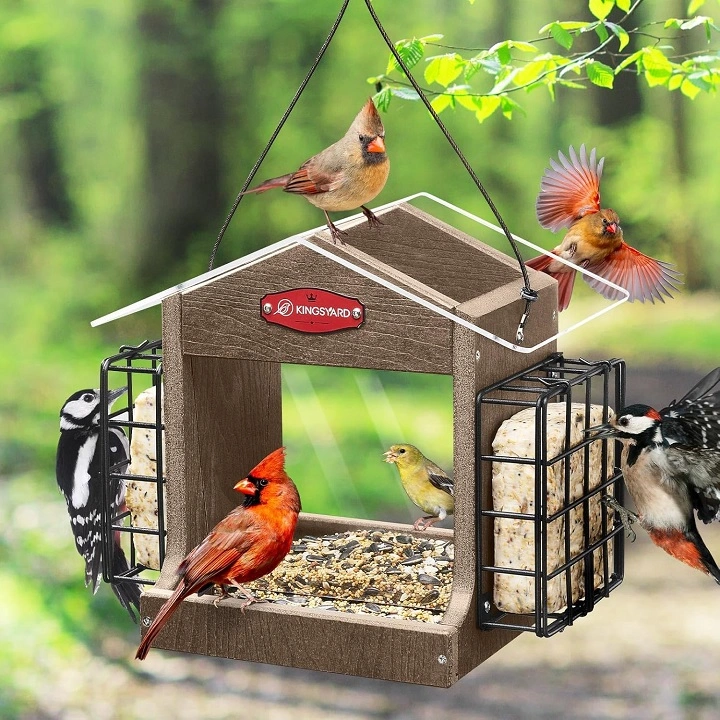
If you love birdwatching or simply enjoy the sound of chirping birds in your garden, a reliable bird feeder is essential. One name that consistently stands out in the backyard birding community is the Kingsyard bird feeder. Known for its durability, functionality, and bird-friendly design, Kingsyard feeders have become a go-to solution for nature lovers who want to attract a variety of bird species right to their windows or backyard.
In this post, we’ll explore what makes Kingsyard bird feeders so popular, the different models available, key features, installation tips, and how to choose the best one for your space.
Why Choose Kingsyard Bird Feeder?
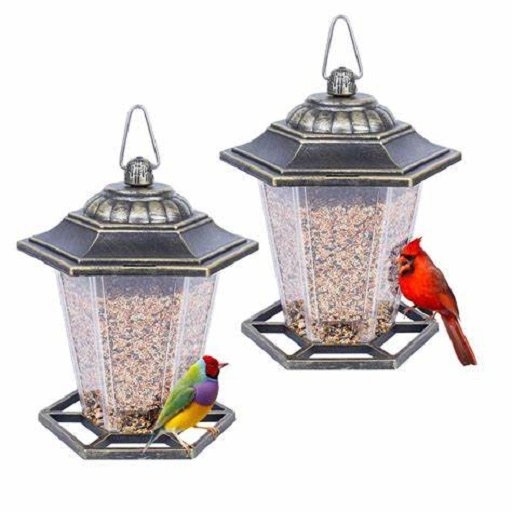
There are plenty of bird feeders out there, but Kingsyard has carved a niche for itself by combining quality craftsmanship with practical design. Here are some reasons why so many bird enthusiasts trust this brand:
- Made from weather-resistant materials
- Easy to fill and clean
- Smart seed flow mechanisms
- Stylish and modern aesthetic
- Designed to attract a wide range of bird species
Kingsyard feeders are especially known for their ability to hold up in various climates, from harsh winters to humid summers, without rusting or falling apart.
Types of Kingsyard Bird Feeders
Kingsyard offers a range of bird feeders suited for different environments and types of bird seed. Here are a few popular options:
Hopper Feeders
These feeders resemble small houses and can store a large quantity of seed. Gravity pulls the seed down as birds feed, making them low-maintenance and ideal for cold climates.
Tube Feeders
Designed with multiple ports, tube feeders are perfect for feeding small songbirds like finches and chickadees. The Kingsyard tube feeders often include perches and weather guards.
Window Feeders
If you live in an apartment or have limited outdoor space, Kingsyard’s clear acrylic window feeders allow you to watch birds up close from inside your home. They attach easily with suction cups and are great for families and kids.
Suet Feeders
These are specifically built for holding suet cakes, which attract woodpeckers, nuthatches, and wrens. Kingsyard offers suet feeders that are squirrel-resistant and easy to reload.
Key Features That Make Kingsyard Stand Out
Kingsyard bird feeders are more than just seed dispensers. Here are the top features that make them a favorite among bird lovers:
Weather Resistance
Kingsyard feeders are built with powder-coated metal, UV-resistant plastic, and waterproof roofs to withstand all weather conditions.
Easy Maintenance
Feeding birds should be enjoyable, not a chore. Kingsyard designs feeders with wide openings for easy refilling and quick disassembly for thorough cleaning.
Squirrel Resistance
Some models come with built-in baffles or weight-activated closing mechanisms that prevent squirrels from stealing seed, helping reduce waste and keeping the feeder focused on birds.
Drainage System
Kingsyard often includes built-in drainage holes in the base to prevent water from accumulating and spoiling the seed—a major plus during rainy seasons.
Attractive Designs
From classic wood finishes to modern transparent styles, Kingsyard feeders are designed to complement your garden while being functional.
What Birds Can You Attract?
Depending on the type of seed you use and your location, Kingsyard bird feeders can attract a wide variety of birds, including:
- Cardinals
- Finches
- Chickadees
- Nuthatches
- Sparrows
- Woodpeckers
- Blue jays
- Doves
Each feeder type targets a specific group. For example, tube feeders attract small songbirds, while platform or hopper feeders draw in larger species.
Where to Place Your Kingsyard Bird Feeder
Correct placement can make a huge difference in the feeder’s success. Here are some tips:
- Near shrubs or trees: Offers birds a place to perch or escape if needed.
- At least 5–6 feet off the ground: Deters predators like cats and squirrels.
- Away from reflective windows: Reduces the risk of birds hitting glass.
- In a quiet, low-traffic area: Helps birds feel safe and encourages frequent visits.
If using a window-mounted feeder, ensure it’s either directly on the glass or placed very close—less than 3 feet away—to reduce collision risks.
How to Maintain Your Feeder
Even the best feeder requires regular maintenance. Here are some guidelines:
- Clean every 1–2 weeks with warm soapy water
- Rinse thoroughly and let dry completely before refilling
- Discard old or wet seed to prevent mold
- Check for rust or damage every season
Proper maintenance keeps birds healthy and ensures long-term use of your Kingsyard feeder.
Customer Reviews and Reputation
Kingsyard bird feeders have earned thousands of positive reviews on major online platforms. Common praise includes:
- Long-lasting build
- Easy to install and refill
- Effective in attracting various bird species
- Minimal seed wastage
- Great for beginners and experienced birders alike
Whether purchased through Amazon, Home Depot, or directly from Kingsyard’s website, users report high satisfaction with product quality and value for money.
Budget and Value
Kingsyard feeders are priced competitively, ranging from around $20 for basic models to $60+ for advanced, multi-functional designs. Considering the materials, ease of use, and effectiveness, they offer excellent value compared to cheaper alternatives that may need frequent replacement.
Tips for Getting the Most Out of Your Kingsyard Feeder
- Use fresh, high-quality seed suited for your local birds
- Rotate feeder locations every few months to prevent predator buildup
- Combine with a bird bath or nesting box to create a full habitat
- Avoid overfilling to reduce waste and mess
FAQs About Kingsyard Bird Feeders
Are Kingsyard bird feeders squirrel-proof?
Many models are designed with squirrel-resistant features such as baffles or weight-sensitive ports, but placement and seed type also matter.
Can I use Kingsyard feeders in winter?
Yes, their weather-resistant build makes them suitable for year-round use, even in snow and freezing temperatures.
What kind of seed should I use?
Black oil sunflower seeds, nyjer, and mixed seeds are ideal for attracting a wide variety of birds. The feeder type may influence your choice.
How often should I clean the feeder?
Clean every one to two weeks, or more frequently in wet weather. This helps prevent mold and keeps birds healthy.
Are window feeders safe for birds?
Yes, Kingsyard’s window feeders are safe when mounted properly and kept clean. Positioning close to the glass minimizes collision risk.
The Kingsyard bird feeder is more than just a backyard accessory—it’s a gateway to nature. Whether you’re a first-time birdwatcher or an experienced birder, these feeders offer durability, beauty, and functionality that help transform your outdoor space into a bird-friendly haven. With so many designs to choose from, there’s a perfect Kingsyard feeder for every home and garden.
