

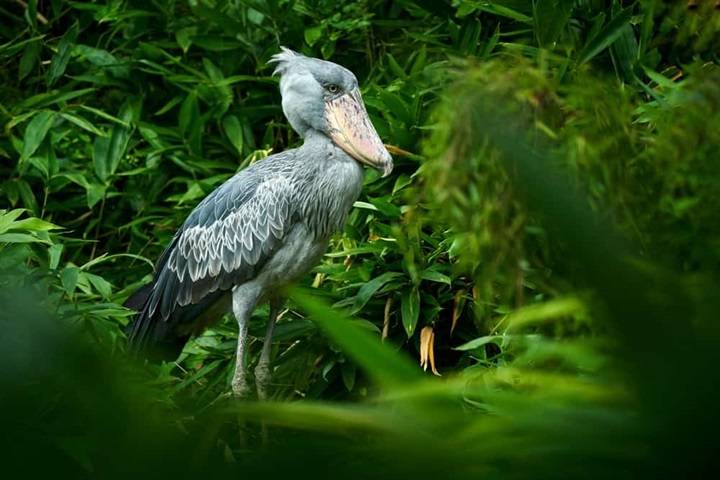
In the vast and diverse world of avian creatures, there exist magnificent giants that capture the imagination with their impressive size, strength, and presence. From towering flightless birds to massive raptors soaring through the skies, these majestic creatures command attention and admiration wherever they roam. In this comprehensive exploration, we embark on a journey to discover the largest birds in the world, delving into their habitats, characteristics, and fascinating behaviors that make them true marvels of the natural world.
Introduction to Avian Giants
Birds come in all shapes and sizes, from tiny hummingbirds to massive eagles and ostriches. When it comes to sheer size, however, some species stand head and shoulders above the rest, earning them a place among the largest birds on the planet. These avian giants exhibit remarkable adaptations and behaviors that enable them to thrive in diverse ecosystems, from dense forests and grasslands to open oceans and mountain ranges. Let’s take a closer look at some of the most awe-inspiring examples of avian gigantism and explore what makes them truly exceptional.
The Ostrich: King of the Flightless Birds

Standing tall as the undisputed heavyweight champion of the avian world, the ostrich (Struthio camelus) is renowned for its towering stature, powerful legs, and remarkable speed. Native to the savannas and deserts of Africa, the ostrich is the largest bird species on the planet, with adult males reaching heights of up to 9 feet (2.7 meters) and weighing in at over 300 pounds (136 kilograms). Despite its inability to fly, the ostrich is a formidable runner, capable of reaching speeds of up to 45 miles per hour (72 kilometers per hour) in short bursts, making it the fastest bird on land.
The Southern Cassowary: Guardian of the Rainforest
Venturing into the dense rainforests of New Guinea and northeastern Australia, we encounter another formidable giant of the avian world: the southern cassowary (Casuarius casuarius). With its striking blue and black plumage, vivid red wattles, and distinctive casque atop its head, the cassowary cuts an imposing figure amidst the lush foliage of its tropical habitat. Standing up to 6 feet (1.8 meters) tall and weighing over 130 pounds (59 kilograms), this flightless bird is equipped with powerful legs and sharp claws, making it a formidable defender of its territory and a vital seed disperser in the rainforest ecosystem.
The Andean Condor: Master of the Skies
Taking to the skies above the rugged peaks of the Andes Mountains, we encounter one of the largest flying birds in the world: the Andean condor (Vultur gryphus). With a wingspan that can exceed 10 feet (3 meters) and a weight of up to 33 pounds (15 kilograms), the Andean condor is a true aerial giant, capable of soaring effortlessly on thermal currents high above the mountainous terrain. Renowned for its majestic appearance and graceful flight, this iconic bird plays a vital role in Andean folklore and cultural traditions, serving as a symbol of power, freedom, and spiritual significance.
The Wandering Albatross: Monarch of the Open Ocean

Venturing far out into the vast expanse of the open ocean, we encounter another remarkable giant of the avian world: the wandering albatross (Diomedea exulans). With a wingspan that can exceed 11 feet (3.4 meters) in length, the wandering albatross holds the distinction of having the largest wingspan of any living bird. This incredible adaptation allows the albatross to glide effortlessly for thousands of miles across the open ocean, using the power of the wind to cover vast distances in search of food and suitable breeding sites. Despite spending the majority of its life at sea, the wandering albatross returns to land each year to breed and raise its young, demonstrating remarkable navigational skills and fidelity to its nesting sites.
The Emperor Penguin: Endurance Champion of the Antarctic
Our journey concludes in the icy waters of Antarctica, where we encounter the emperor penguin (Aptenodytes forsteri), the largest and heaviest of all penguin species. Standing up to 4 feet (1.2 meters) tall and weighing over 80 pounds (36 kilograms), the emperor penguin is uniquely adapted to life in one of the harshest environments on Earth. With its thick layer of insulating blubber, dense waterproof feathers, and highly efficient circulatory system, the emperor penguin is able to withstand the extreme cold and harsh winds of the Antarctic winter, making epic journeys across the ice to breed and raise its young in colonies numbering in the thousands.
Largest Bird In The World
Related Post:
Cracking the Cayuga Duck Egg Mystery: Unveiling the Secrets of Cayuga Duck Eggs
Exploring Duck-Chicken Compatibility: Can They Coexist?
Cracking the Cayuga Duck Egg Mystery: Unveiling the Secrets of Cayuga Duck Eggs
Celebrating the Magnificence of Avian Giants
In conclusion, the world of birds is home to an astonishing array of giants that inspire wonder and admiration with their impressive size, strength, and resilience. From the towering ostriches of the African savanna to the majestic albatrosses of the open ocean, these avian marvels remind us of the incredible diversity and beauty of the natural world. As stewards of the planet, it is our responsibility to protect and preserve these magnificent creatures and their habitats for future generations to enjoy. By celebrating the magnificence of avian giants and advocating for their conservation, we can ensure that these awe-inspiring creatures continue to soar high and thrive in the wild for years to come.
