


The phrase Meep bird isn’t found in scientific journals, but it has taken flight in internet culture and birdwatching communities. It refers to birds known for their distinct, squeaky “meep” calls—an endearing sound that has fascinated casual listeners and bird enthusiasts alike. In this article, we explore what a Meep bird actually is, what birds are behind the nickname, and why the internet has fallen in love with this sound.
What Is a Meep Bird?

There’s no official species called the Meep bird. It’s a nickname commonly given to small birds whose calls sound like a high-pitched “meep.” The term is informal and humorous, used by people who encounter birds with unusual or cute-sounding chirps.
Birds often associated with the Meep bird include:
- American Woodcock
- Chickadee
- Killdeer
- Common Nighthawk
- Juvenile gulls or terns
These birds make short, sharp calls that many interpret as “meep” noises, especially during feeding, flight, or courtship.
Where the Name Came From
The word “meep” has long existed in pop culture, often used to imitate a squeaky or surprised sound. It gained popularity through characters like Beaker from The Muppets, who famously repeats “meep meep.” As social media grew, people began using “Meep bird” to describe birds with squeaky or cartoonish sounds, creating a playful crossover between nature and humor.
Birds That Actually Sound Like “Meep”
Here are some real birds known for sounds that closely match “meep.”
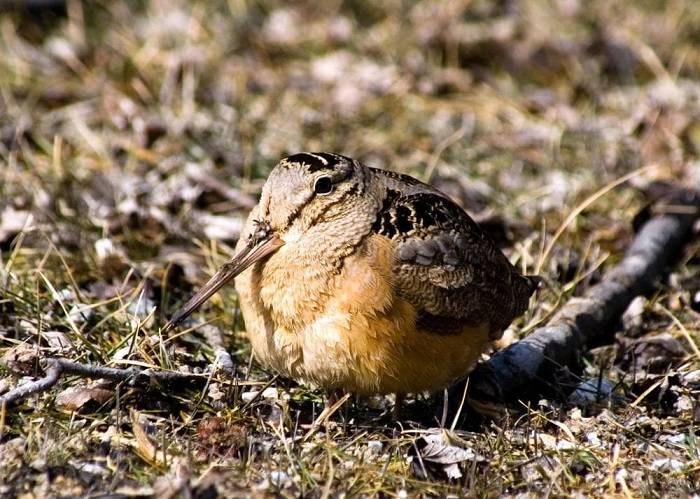
American Woodcock
Famous for its courtship display, this bird produces a nasal “peent” or “meep-like” call. It’s most active at dawn and dusk in open areas.
Chickadee
Known for their “chick-a-dee-dee” song, Chickadees also make soft, high-pitched contact calls that could be heard as a “meep” during social interactions.
Killdeer
This bird often emits a loud, shrill call that repeats in short bursts. While not a perfect “meep,” it’s often interpreted as such due to the pitch and rhythm.
Common Nighthawk
A crepuscular bird active at twilight, the Nighthawk’s sharp, nasal “peent” call can easily be mistaken for a “meep” by casual listeners.
Internet Fame and the Meep Bird
The Meep bird has evolved into a meme and social media trend. On platforms like TikTok, Instagram, and Reddit, creators share videos of real or animated birds making “meep” noises. These are often paired with adorable visuals and humorous captions, turning the Meep bird into a symbol of cuteness and comic relief.
Some fans even nickname their pets or plush toys after the Meep bird because of the sound association.
Why Birds Make Meep-Like Sounds
Birds don’t say “meep” for fun—it’s a form of communication. These sounds can serve multiple purposes:
- Alerting others to predators
- Attracting mates
- Calling to fledglings or flock members
- Marking territory
Each bird’s call is shaped by its needs and environment, and what sounds like a “meep” to us might be a life-saving message to other birds.
Can You Keep a Meep Bird as a Pet?
Most wild birds associated with the “meep” nickname are protected and cannot be kept as pets. However, many domestic bird species make similar cute, high-pitched sounds, including:
- Budgerigars (budgies)
- Zebra finches
- Lovebirds
- Cockatiels
These birds are popular with pet owners and offer a similar charm to the wild Meep birds people adore online.
How to Find a Meep Bird in the Wild
If you want to experience a Meep bird firsthand, here are some practical tips:
Use Bird Identification Apps
Apps like Merlin Bird ID and Audubon can identify bird sounds in real time. Record the chirp, and the app will suggest matching species—perfect for finding a bird with a “meep” call.
Visit at the Right Time
Birds like the American Woodcock or Nighthawk are most vocal at dawn or dusk. Early morning walks or sunset outings are ideal for hearing their calls.
Bring Binoculars and Be Patient
Sometimes the sound is clear, but the bird is hidden. Binoculars help you spot them in the brush or high in the trees. Patience is key.
What Makes Bird Sounds So Varied?

Birds produce sound using a specialized organ called the syrinx, located at the base of the trachea. Unlike humans, birds can control each side of the syrinx independently, allowing them to produce complex and even dual-pitched sounds—like a whistle and a chirp at once.
This incredible control is how birds create such a variety of calls, from intricate songs to quick, squeaky “meeps.”
Pop Culture and the Meep Sound
The Meep bird has gone beyond nature and entered entertainment. You’ll find the sound in:
- Cartoons and video games
- Children’s books
- Plush toys and novelty gifts
- Online soundboards and memes
The word “meep” is now widely used to convey surprise, awkwardness, or cuteness, often with animated birds or animals.
Are Meep Birds in Danger?
Some birds that fall under the Meep bird nickname—like the American Woodcock—are experiencing habitat loss due to deforestation, agriculture, and urban development. Even though “Meep bird” is just a nickname, protecting their real habitats matters.
Supporting conservation groups and protecting green spaces can help these species continue to thrive—and “meep.”
FAQs About the Meep Bird
What is a Meep bird?
It’s a nickname for birds with high-pitched, squeaky calls. There’s no official species by this name.
Which birds sound like “meep”?
Common examples include the American Woodcock, Chickadee, Killdeer, and Common Nighthawk.
Can I own a Meep bird?
Most wild Meep-like birds are protected, but pet birds like budgies or finches make similar sounds.
Why do birds make “meep” sounds?
These sounds can signal danger, attract mates, or help birds stay in touch with their flock.
Is the Meep bird just a meme?
Yes and no—it’s a fun internet nickname, but it’s based on real birds that make similar calls.
The Meep bird might not exist in scientific catalogs, but it’s real enough in our ears and hearts. Whether it’s the chirp of a woodcock or the peep of a chickadee, that tiny “meep” sound represents curiosity, joy, and the quirky beauty of nature. And thanks to the internet, it’s now a cultural icon too.
