

Birds are generally associated with flight, but there is an entire group of avian species that are just as skilled in the water as they are in the air. Swimming birds have evolved a variety of fascinating adaptations that allow them to navigate aquatic environments with ease. From graceful strokes to diving deep underwater, these birds have developed specialized behaviors and physical features that make them well-suited to life in the water. In this article, we will explore some of the most remarkable swimming birds, their adaptations, and their role in the ecosystem.
Introduction to Swimming Birds
While many birds are known for their flying abilities, there are numerous species that spend a significant portion of their time in the water. These birds have adapted to life on the surface or even beneath the water, where they hunt for food, build nests, or simply seek shelter. Some swimming birds are excellent divers, capable of reaching remarkable depths, while others are exceptional swimmers that glide effortlessly across the surface.
Swimming birds are found all over the world, from cold arctic regions to temperate lakes and even tropical coastal areas. Their diversity in size, behavior, and habitat makes them a fascinating group to study. In this article, we will take a closer look at some of the most well-known swimming birds and examine how they have evolved to thrive in their aquatic environments.
Notable Swimming Birds
Penguins
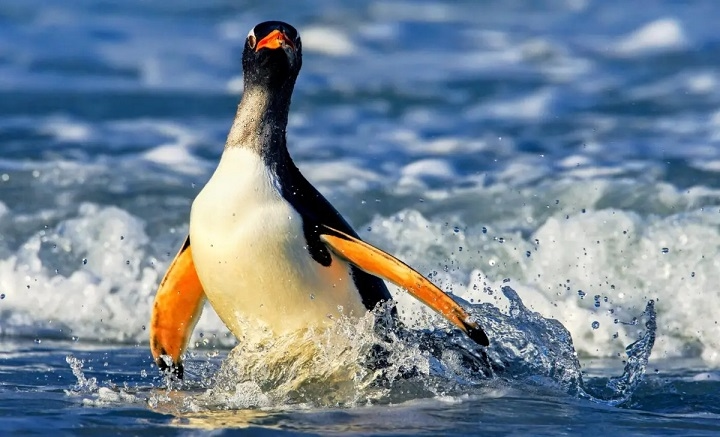
Arguably the most famous of all swimming birds, penguins are highly adapted to life in the water. Found primarily in the Southern Hemisphere, particularly in Antarctica, penguins are flightless birds with a unique set of characteristics that make them superb swimmers.
Key Features
- Swimming Abilities: Penguins use their wings as flippers, which allow them to propel themselves through water with remarkable speed. Their body is streamlined, and they have strong muscles to power through the water. Penguins can swim at speeds of up to 15 miles per hour.
- Diet: Penguins primarily feed on fish, squid, and krill. They are excellent hunters, diving to impressive depths in search of prey.
- Adaptations: Penguins have dense bones that help them dive more easily, and their waterproof feathers keep them insulated and dry in cold waters. Their feet are webbed, which further aids in swimming.
Ducks
Ducks are another well-known group of swimming birds. They are found in a wide variety of habitats, from freshwater lakes to coastal estuaries. Ducks are adapted to both swimming on the surface and diving to find food.
Key Features
- Swimming Abilities: Ducks are strong swimmers thanks to their webbed feet, which act like paddles. They can glide on the water’s surface or dive beneath it in search of food.
- Diet: Ducks are omnivores and eat a wide variety of foods, including aquatic plants, insects, small fish, and crustaceans. Some species are more specialized in their diet, preferring certain types of plants or insects.
- Behavior: While many species of ducks are capable of diving, others prefer to stay on the surface, using their bills to filter feed on aquatic plants and small invertebrates.
Swans
Swans are elegant and graceful swimming birds that are commonly found in lakes, rivers, and wetlands across the world. Known for their long necks and white plumage, swans are equally comfortable in the water and on land.
Key Features
- Swimming Abilities: Swans are strong swimmers and are known for their ability to glide effortlessly across the water. They use their webbed feet to propel themselves forward, and their long necks help them navigate both in the water and on land.
- Diet: Swans are primarily herbivores, feeding on aquatic plants such as algae, reeds, and grasses. They will also graze on land if needed.
- Behavior: Swans are often seen floating serenely on ponds or lakes, but they are also capable of diving underwater to forage for food. Their graceful swimming movements make them a favorite among bird watchers.
Pelicans
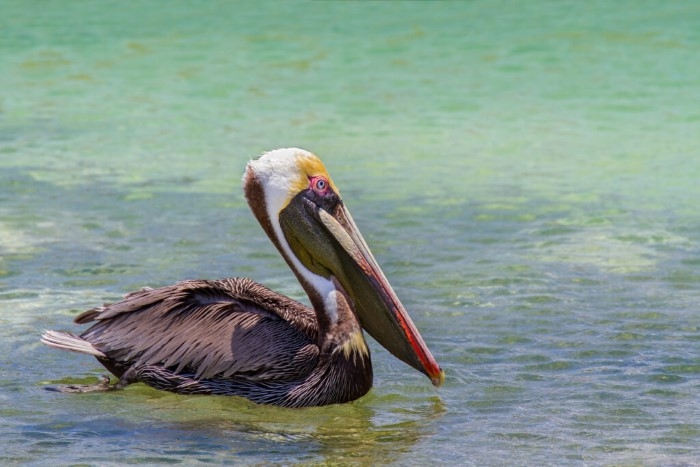
Pelicans are large, distinctive birds known for their long bills and large throat pouches. They are found in coastal regions around the world and are skilled swimmers and divers.
Key Features
- Swimming Abilities: Pelicans are strong swimmers that use their webbed feet to paddle through the water. While they are not as proficient underwater divers as some other swimming birds, they are excellent at swimming on the surface.
- Diet: Pelicans primarily feed on fish, which they catch using their large bills and throat pouches. They dive into the water to catch fish and then surface to drain the water from their pouches before swallowing their catch.
- Behavior: Pelicans often work in groups to hunt for food, and they are known for their dramatic diving behavior, where they plunge into the water from great heights to snatch up fish.
Grebes
Grebes are aquatic birds found in lakes and marshes around the world. They are known for their excellent swimming and diving skills, making them some of the most adept water birds.
Key Features
- Swimming Abilities: Grebes are exceptional swimmers, often diving beneath the surface of the water to catch fish and invertebrates. They use their feet for propulsion, and their streamlined bodies allow them to move quickly underwater.
- Diet: Grebes are carnivorous, feeding primarily on fish, amphibians, and aquatic insects. They are skilled hunters, capable of diving to great depths to catch prey.
- Behavior: Grebes are often seen diving from the surface to catch fish, and they have specialized adaptations for staying underwater, such as their solid bones that help them dive.
Coots
Coots are medium-sized water birds that are commonly found in freshwater habitats across Europe, Asia, and North America. They are strong swimmers and are often seen foraging in the shallows of ponds and lakes.
Key Features
- Swimming Abilities: Coots are skilled swimmers, using their strong legs and webbed feet to paddle through the water. They are excellent at maneuvering in the water and are often seen diving or floating on the surface.
- Diet: Coots are omnivores, feeding on a variety of aquatic plants, seeds, and small invertebrates. They are known to forage along the edges of ponds, using their bills to search for food.
- Behavior: Coots are highly adaptable and can thrive in a wide range of aquatic environments. They are often seen in large groups, especially during migration.
How Swimming Birds Adapt to Their Environments
Swimming birds have developed a range of adaptations that make them highly efficient in their aquatic environments. These adaptations help them navigate the water, find food, and stay safe from predators.
Webbed Feet
One of the key adaptations of swimming birds is their webbed feet. The webbing acts like a paddle, allowing the bird to push against the water and propel itself forward. This feature is especially common in ducks, swans, and coots, and it allows them to swim efficiently on the surface of lakes, ponds, and rivers.
Streamlined Bodies
Many swimming birds, such as penguins and grebes, have streamlined bodies that reduce resistance when moving through the water. Their body shapes allow them to move smoothly and quickly beneath the surface, making them efficient hunters and swimmers.
Specialized Feathers
Birds that swim or dive in water have specialized feathers that help keep them dry and buoyant. Penguins, for example, have dense feathers that trap air and insulate them from the cold waters of the Southern Hemisphere. Similarly, ducks and swans have waterproof feathers that prevent them from becoming waterlogged, allowing them to remain buoyant and warm.
Diving Adaptations
Many swimming birds are capable of diving underwater to catch food. To help them dive, these birds often have solid, dense bones that reduce buoyancy, allowing them to stay submerged for longer periods. They also have strong, muscular legs that help propel them through the water when diving.
FAQs About Swimming Birds
What is the best-known swimming bird?
Penguins are probably the best-known swimming birds due to their remarkable ability to dive and swim at high speeds underwater.
Can all ducks swim?
Yes, ducks are strong swimmers, and most species of ducks are highly adapted to life in the water.
Do all birds with webbed feet swim?
While webbed feet are common in swimming birds, not all birds with webbed feet are swimmers. The webbed feet allow them to swim, but other factors, like body structure and behavior, also contribute to their swimming abilities.
How do penguins swim so efficiently?
Penguins are incredibly efficient swimmers due to their strong flippers, streamlined bodies, and powerful muscles. They use their flippers like wings to “fly” through the water.
What do swimming birds eat?
Swimming birds eat a variety of foods, such as fish, amphibians, aquatic plants, and invertebrates. Their diet depends on their species and the environment they live in.
Swimming birds are a remarkable group of creatures that have evolved fascinating adaptations to thrive in aquatic environments. From the majestic penguin to the graceful swan, these birds demonstrate the incredible versatility of avian life. Their ability to swim, dive, and hunt underwater makes them not only fascinating to observe but also crucial to maintaining healthy ecosystems. Whether you’re a birdwatcher or simply intrigued by nature’s wonders, swimming birds offer a unique opportunity to witness the beauty and complexity of life in water.
