
Talking pet birds have long captured the fascination of bird enthusiasts and casual pet owners alike. With their ability to mimic human speech, these clever and charismatic creatures have earned a special place in many homes around the world. Whether you’re a long-time bird lover or considering adopting a talking pet bird, understanding their capabilities and the care they require is essential to providing them with a happy and fulfilling life.
In this article, we’ll explore the most popular talking pet birds, how they learn to mimic speech, and what you need to know to care for them.
Introduction to Talking Pet Birds
Talking pet birds are not only beloved for their ability to mimic human words and phrases, but also for their playful and social nature. Some bird species are particularly gifted at imitating sounds, including human speech, and are able to learn an impressive repertoire of words and phrases over time.
The most famous talking birds, such as parrots, cockatoos, and mynahs, are known for their intelligence and vocal abilities. However, not all birds are capable of speaking. Bird species with the vocal anatomy necessary to produce a wide range of sounds, including human speech, are those typically considered “talking birds.”
In this article, we’ll take a look at the different bird species that are known for their ability to talk, how they learn to mimic speech, and what makes these birds so special.
Why Do Birds Talk?
The ability of some birds to mimic human speech is a result of their highly developed vocal apparatus and brain. Unlike humans, who produce speech using the larynx, birds use a unique vocal organ called the syrinx, located at the base of their trachea. This structure allows birds to produce an impressive variety of sounds, from whistles and squawks to human-like speech.
But why do birds mimic human speech in the first place? Here are some reasons why:
Socialization
Birds are social creatures, and many species, particularly parrots, thrive on interaction with humans and other birds. Mimicking sounds and speech is often part of how they connect with their surroundings and express themselves. In the wild, birds use vocalizations to communicate with their flock, so mimicking human speech is a way of engaging with their human companions.
Imitating Sounds
Birds have an innate ability to mimic sounds in their environment. Wild birds are skilled at mimicking the calls of other animals and birds. In captivity, pet birds extend this ability to human speech. They associate speech with social interaction and may repeat words or phrases they hear frequently from their owners.
Attention-Seeking Behavior
Many talking birds learn to speak as a way of getting attention. When a bird learns that repeating a specific word or phrase results in a positive response from its owner, it will continue to mimic that behavior. Talking can be a way for birds to interact with their human family members, signaling their desire for companionship and attention.
Popular Talking Pet Birds
Not all pet birds are capable of talking. However, certain species are more likely to develop speech abilities. Let’s take a look at some of the most popular talking pet birds.
African Grey Parrot (Psittacus erithacus)
African Grey Parrots are widely regarded as the best talkers among bird species. Known for their high intelligence and impressive vocal abilities, these parrots are capable of mimicking hundreds of words and phrases. Their cognitive skills allow them to understand the meaning of words, making them particularly adept at using speech in context.
Key Features
- Speech Ability: African Grey Parrots can mimic human speech, recognize objects by name, and even use words appropriately in sentences.
- Intelligence: These parrots are known for their problem-solving skills and ability to learn new words quickly. They are considered one of the most intelligent bird species.
- Lifespan: African Grey Parrots can live up to 50 years or more with proper care, making them long-term companions.
Budgerigar (Melopsittacus undulatus)
The Budgerigar, commonly known as the budgie or parakeet, is one of the most popular pet birds worldwide. While they are smaller than many other talking birds, budgies can develop impressive speech abilities, particularly when raised in a social environment.
Key Features
- Speech Ability: Budgies are capable of learning a wide variety of words and phrases. Male budgies, in particular, are more likely to talk and mimic sounds than females.
- Size: Budgies are small, making them an excellent choice for people with limited space. They are friendly, curious, and easy to bond with.
- Lifespan: Budgies typically live for 5 to 10 years, but with proper care, they can live longer.
Cockatoos (Cacatuidae family)
Cockatoos are large, striking parrots with expressive personalities and strong vocal cords. Known for their playful nature and social behavior, cockatoos can also mimic human speech. While they may not be as skilled as African Greys at speech, their vocalizations are often loud and clear.
Key Features
- Speech Ability: Cockatoos can mimic human words and phrases, and some species, like the Umbrella Cockatoo, are known to develop a wide vocabulary.
- Personality: These birds are highly social and need a lot of attention. They can form strong bonds with their owners and enjoy interacting with their human family.
- Lifespan: Cockatoos are long-lived birds, with many species living for 40 years or more.
Mynah Birds (Acridotheres species)
Mynah birds, particularly the Indian Hill Mynah, are known for their impressive ability to mimic human speech. These birds have a strong, clear voice and can replicate complex sounds, including entire sentences. Their speech is often described as being more natural-sounding than that of other talking birds.
Key Features
- Speech Ability: Mynah birds are excellent mimics and can imitate human voices and even sounds like phone ringtones or doorbells.
- Size: They are medium-sized birds with striking black plumage and bright yellow patches around their eyes.
- Lifespan: Mynah birds typically live for 12 to 15 years in captivity.
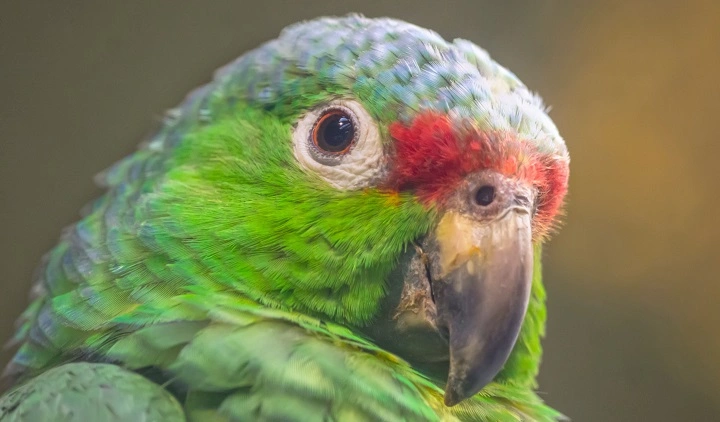
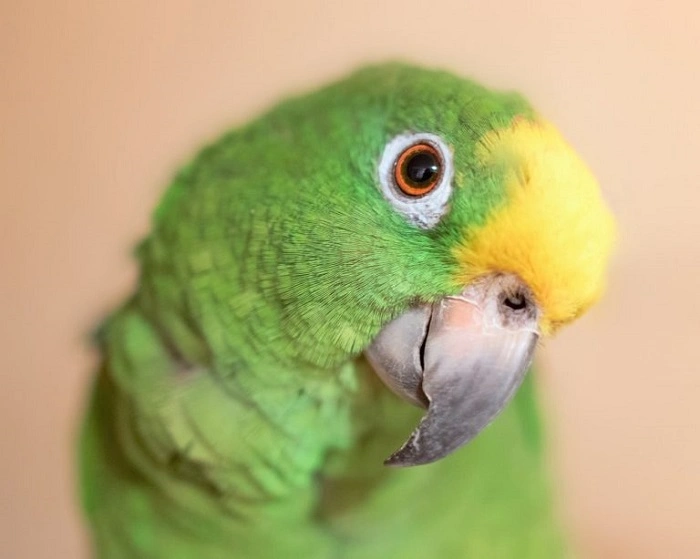
Amazon Parrots (Amazona species)
Amazon parrots are known for their playful, vocal personalities and their ability to imitate human speech. These parrots are social birds that thrive on interaction and can learn a wide variety of words and phrases.
Key Features
- Speech Ability: Amazon parrots can mimic a wide range of sounds and human speech, and their loud, clear voices make them effective communicators.
- Personality: These parrots are known for being social and affectionate, often forming close bonds with their owners.
- Lifespan: Amazon parrots have a long lifespan, often living 40 years or more with proper care.
How Do Birds Learn to Talk?

Birds learn to talk in much the same way as humans learn language—through repetition and reinforcement. Here are some key factors involved in teaching birds to talk:
Exposure to Speech
Birds learn speech by hearing words and phrases repeated by their human owners. The more frequently a bird is exposed to specific words, the more likely it is to repeat them. Talking to your bird regularly and encouraging it to mimic words will help it learn.
Positive Reinforcement
Birds learn best when they receive positive reinforcement for mimicking speech. Offering treats, praise, and attention when a bird repeats a word or phrase correctly will motivate it to continue speaking.
Social Interaction
Social interaction plays a key role in a bird’s ability to learn speech. Birds are highly social animals, and they learn by observing and interacting with others. If a bird is raised in a household where it’s exposed to consistent speech and socialization, it will be more likely to mimic sounds.
Patience and Consistency
Training a bird to talk requires patience and consistency. Birds may not learn to speak overnight, and it can take time before they begin to repeat words clearly. Consistent practice and positive interaction will yield the best results.
FAQs About Talking Pet Birds
Which bird is the best talker?
The African Grey Parrot is widely considered the best talker, known for its ability to mimic words and phrases with remarkable clarity and even understand their meanings.
Can all birds learn to talk?
No, not all birds are capable of learning to talk. Species like parrots, cockatoos, and mynah birds are the best talkers. Smaller birds like finches and sparrows are generally not capable of mimicking human speech.
How long does it take for a bird to learn to talk?
It can take anywhere from a few months to several years for a bird to learn to talk, depending on the species, the individual bird’s personality, and how often they are exposed to speech.
Can I teach my bird to speak in sentences?
Yes, some birds, particularly African Grey Parrots and Amazon Parrots, can learn to speak in complete sentences. However, they often need consistent training and social interaction to develop this skill.
How do I encourage my bird to talk?
To encourage your bird to talk, repeat words and phrases frequently, offer treats as rewards for attempts at speech, and engage in social interactions. Patience and positive reinforcement are key.
Talking pet birds are remarkable creatures, offering both companionship and entertainment with their ability to mimic human speech. Whether you have an African Grey Parrot, a budgie, or a Mynah bird, the experience of interacting with a bird that can talk is truly unique. With proper training, socialization, and patience, your talking bird can become a delightful member of your household, sharing your words and making your world a bit more cheerful.
