

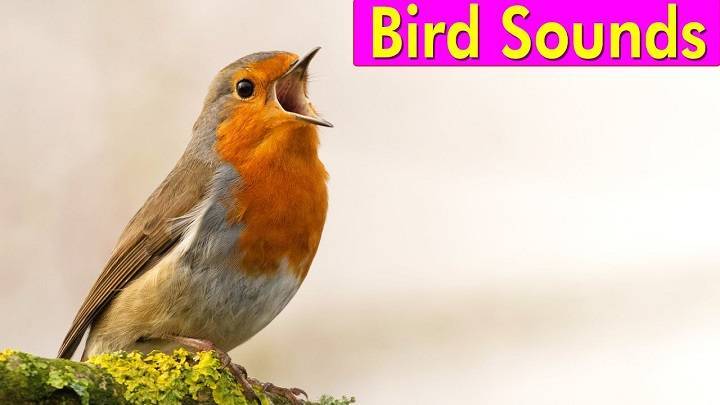
In the tapestry of nature’s symphony, birdsong holds a cherished place, captivating our senses with its diversity, beauty, and complexity. From the melodious trill of a songbird to the haunting cry of a raptor, the sounds produced by birds are as varied as the habitats they inhabit. In this blog post, we embark on a journey to explore the rich tapestry of avian vocalizations, delving into the diverse sounds birds make, the purposes behind their calls and songs, and the fascinating mechanisms they use to produce these enchanting melodies.
The Language of Birds: Understanding Avian Vocalizations

Birds communicate through a rich array of vocalizations, including calls, songs, and specialized sounds that serve various functions in their daily lives. While calls are typically short, simple vocalizations used for specific purposes such as signaling danger, maintaining contact with flock members, or establishing territory boundaries, songs are more elaborate and complex vocalizations used primarily by male birds during the breeding season to attract mates and defend territories.
Types of Bird Sounds
- Calls: Calls are short, simple vocalizations used by birds for communication, navigation, and social interactions. Examples of bird calls include alarm calls, contact calls, territorial calls, and mating calls. Each species has its own repertoire of calls that serve specific functions in their daily lives.
- Songs: Songs are more complex vocalizations produced primarily by male birds during the breeding season. Songs serve to attract mates, defend territories, and establish social status within the bird community. Each species has its own unique song, which is learned through a combination of innate instincts and cultural transmission from adult birds.
- Vocalizations: In addition to calls and songs, birds produce a variety of other vocalizations, including chatter, trills, whistles, and mimicry. These vocalizations serve diverse functions, such as expressing excitement, aggression, or distress, mimicking the sounds of other species, or communicating with offspring.
The Functions of Bird Sounds

- Communication: Bird vocalizations play a crucial role in communication within and between species. Calls and songs are used to convey information about food sources, potential threats, mating opportunities, and social interactions. By listening to the calls of other birds, individuals can assess the presence of predators, locate mates, and coordinate group activities.
- Territory Defense: Many bird species use vocalizations, particularly songs, to defend territories and establish dominance within the breeding season. Male birds often sing from prominent perches to advertise their presence and deter rivals from encroaching on their territory. The quality and complexity of a bird’s song can signal its fitness and reproductive potential to potential mates.
- Courtship and Mating: Songs play a vital role in courtship and mating rituals, with male birds using elaborate vocalizations to attract mates and establish pair bonds. Female birds assess the quality of a male’s song as a cue to his genetic fitness, health, and ability to provide parental care. In some species, duets between mates serve as a form of synchronized communication and bonding.
- Parental Care: Vocalizations are also important in parental care, with adult birds using calls to communicate with their offspring, coordinate feeding and care duties, and warn of potential dangers. Nestlings and fledglings produce begging calls to solicit food from their parents and siblings, while alarm calls signal the presence of predators and prompt a defensive response from adult birds.
The Mechanics of Bird Sounds
Birds produce sounds using a specialized vocal organ called the syrinx, located at the base of the trachea where it divides into the bronchi. The syrinx consists of a complex arrangement of muscles, membranes, and air sacs that vibrate to produce sound. Unlike humans, who produce sounds using the larynx in the throat, birds can generate sounds from both the syrinx and the larynx, allowing for a wide range of vocalizations and variations in pitch, tone, and volume.
Cultural and Symbolic Significance
Bird vocalizations have long held cultural and symbolic significance in human societies, inspiring myths, legends, and artistic expressions across cultures and civilizations. In many indigenous traditions, bird songs are believed to carry spiritual messages, wisdom, and guidance from the natural world. For example, the haunting cry of the loon is revered as a symbol of wilderness and solitude in Native American cultures, while the melodious song of the nightingale has inspired poets and musicians for centuries, symbolizing love, longing, and the beauty of nature.
Birdwatching and Appreciation
For bird enthusiasts and nature lovers, birdwatching offers a unique opportunity to observe and appreciate the diverse sounds of birds in their natural habitats. By tuning into the subtle nuances of avian vocalizations, birdwatchers can gain insights into the behaviors, ecology, and social dynamics of different bird species. Whether listening to the cheerful chirps of songbirds in a forest glade or the eerie calls of nocturnal owls under a starlit sky, each encounter with bird sounds offers a deeper connection to the natural world and a sense of wonder at the marvels of avian communication.
The Diverse Sounds Birds Make
Understanding bird vocalizations is essential for conservation efforts aimed at protecting avian biodiversity and preserving habitats for future generations. By monitoring changes in bird vocalizations, scientists can assess the health of ecosystems, track population trends, and identify threats such as habitat loss, pollution, and climate change. Citizen science initiatives, such as bird surveys and acoustic monitoring programs, play a crucial role in collecting data on bird vocalizations and informing conservation strategies to mitigate these threats.
Related Post:
Exploring the Enchanting World of Call Ducks: Miniature Marvels
Exploring the Fascinating World of Frigate Birds: Masters of the Skies
Tackling Tick Troubles: Can Hydrogen Peroxide Kill Ticks on Dogs?
The rich tapestry of avian vocalizations reflects the diversity, complexity, and beauty of the natural world. From the melodious songs of songbirds to the haunting calls of raptors and the intricate mimicry of parrots, bird sounds offer a window into the hidden lives of these fascinating creatures. By listening with open ears and open hearts, we can deepen our appreciation for the wonders of bird communication and gain a deeper understanding of the interconnectedness of all life on Earth. So the next time you step outside and hear the enchanting melodies of birdsong filling the air, take a moment to pause, listen, and marvel at the symphony of sound that surrounds you.
