

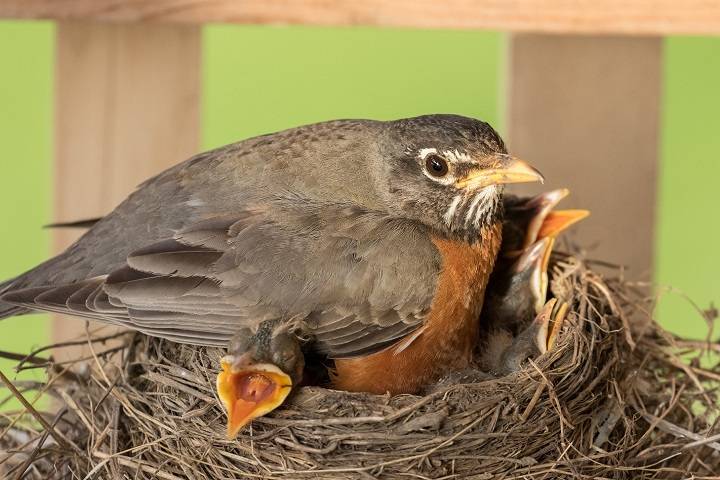
In the enchanting world of birds, the process of egg incubation represents a remarkable journey of life, from the delicate moment of fertilization to the awe-inspiring emergence of a new generation. For bird enthusiasts and nature lovers alike, understanding the intricacies of egg incubation offers a fascinating glimpse into the wonders of avian reproduction and the nurturing care provided by avian parents. In this blog post, we delve into the captivating world of bird eggs, exploring the factors influencing incubation duration, the stages of embryo development, and the remarkable adaptations that enable avian parents to safeguard their precious offspring until hatching.
The Basics of Avian Reproduction: From Nesting to Incubation

- Egg Formation: The process of egg formation, or oviposition, begins when a female bird’s reproductive system produces and releases an ovum, or egg cell, from the ovary. As the ovum travels through the oviduct, it is fertilized by sperm from a male bird, resulting in the formation of a fertilized egg.
- Egg Composition: A bird egg consists of several layers, including the outer shell, inner shell membrane, albumen (egg white), yolk, and germinal disc (where fertilization occurs). These layers provide protection, nutrients, and oxygen to the developing embryo and serve as a secure environment for embryonic growth and development.
- Nesting and Incubation: Once laid, bird eggs are typically incubated by one or both parents, who provide warmth, moisture, and protection to facilitate embryo development. The duration of incubation varies depending on factors such as species, environmental conditions, and egg size, with some birds incubating their eggs for just a few days, while others may incubate for several weeks or even months.
Factors Influencing Incubation Duration
- Species: Different bird species have varying incubation periods based on their biology, physiology, and nesting habits. Smaller birds with precocial young (able to move and feed shortly after hatching) tend to have shorter incubation periods compared to larger birds with altricial young (dependent on parental care).
- Egg Size: The size and composition of bird eggs can influence the duration of incubation, with larger eggs typically requiring longer incubation periods to allow for proper embryonic development. Eggs of ground-nesting birds may have thicker shells and longer incubation periods compared to eggs laid in tree nests.
- Environmental Conditions: Ambient temperature, humidity levels, and nest location can impact the rate of egg development and the duration of incubation. Birds may adjust their incubation behavior in response to environmental factors to optimize conditions for embryo growth and survival.
- Parental Behavior: The diligence and attentiveness of parent birds during incubation play a crucial role in determining the success of egg hatching. Incubating parents must maintain consistent nest attendance, regulate nest temperature, and protect eggs from predators and environmental threats to ensure the health and viability of the developing embryos.
The Stages of Embryo Development: From Fertilization to Hatching
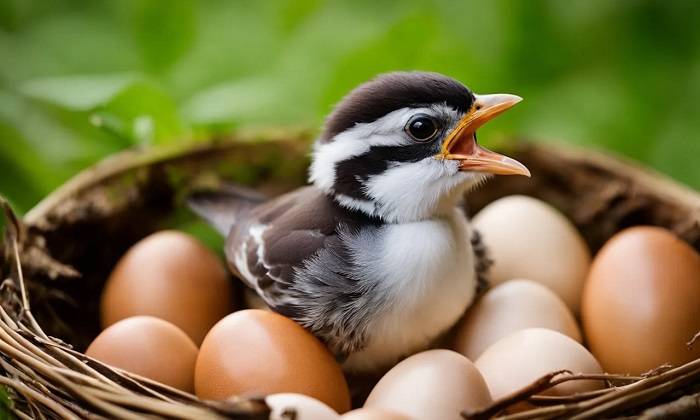
- Cleavage: After fertilization, the zygote undergoes a series of rapid cell divisions, known as cleavage, to form a multicellular embryo. During this stage, the embryo remains enclosed within the vitelline membrane and continues to grow and develop.
- Blastoderm Formation: As cleavage progresses, the embryo develops into a blastoderm, a disc-shaped structure composed of three primary germ layers: ectoderm, mesoderm, and endoderm. The blastoderm contains the embryonic disc, where the future embryo will develop, and is surrounded by the yolk sac, which provides nutrients and energy for embryonic growth.
- Organogenesis: Organogenesis, or organ formation, begins during the later stages of embryo development and involves the differentiation and morphogenesis of specialized tissues and organs. Vital structures such as the heart, brain, eyes, and limbs begin to take shape, laying the foundation for the embryo’s development into a fully formed chick.
- Respiration: As the embryo matures, it develops respiratory structures, including the chorioallantoic membrane, which facilitates gas exchange between the developing chick and the external environment. Oxygen diffuses through pores in the eggshell, while carbon dioxide is expelled, enabling the embryo to breathe and sustain metabolic activity.
- Pipping and Hatching: Towards the end of the incubation period, the fully developed chick initiates the hatching process by pipping, or breaking through the eggshell with its egg tooth, a small projection on the tip of its beak. The chick gradually enlarges the pip opening, rotates within the egg, and pushes its way out to emerge into the world.
The Egg Incubation Process in Birds
- Incubation Duties: During incubation, parent birds take turns sitting on the nest to maintain optimal nest temperature and humidity levels. Incubating birds may adjust their body position, fluff up their feathers, or rotate the eggs periodically to ensure uniform heat distribution and prevent the eggs from chilling or overheating.
- Nest Maintenance: In addition to incubation, parent birds engage in nest maintenance activities, such as removing debris, adding nesting material, and defending the nest site from predators and intruders. These behaviors help create a safe and supportive environment for egg development and chick rearing.
Related Post:
Explore the Grace and Elegance of American Pekin Ducks
Exploring the Kaleidoscope of Call Duck Colors
Discovering the Friendliest Duck Breed: Feathers and Companionship
The process of egg incubation in birds is a testament to the marvels of avian reproduction and the intricate mechanisms that govern life’s cycle. From the initial formation of the egg to the miraculous emergence of a new generation, the journey of egg incubation is filled with wonder, complexity, and resilience. By understanding the factors influencing incubation duration, the stages of embryo development, and the vital role of parental care, we can gain a deeper appreciation for the remarkable adaptations and behaviors that enable birds to nurture and safeguard their precious offspring until hatching. So the next time you encounter a bird’s nest or observe the gentle warmth of an incubating parent, take a moment to marvel at the miracle of egg incubation and the enduring beauty of life’s most cherished gift.
