

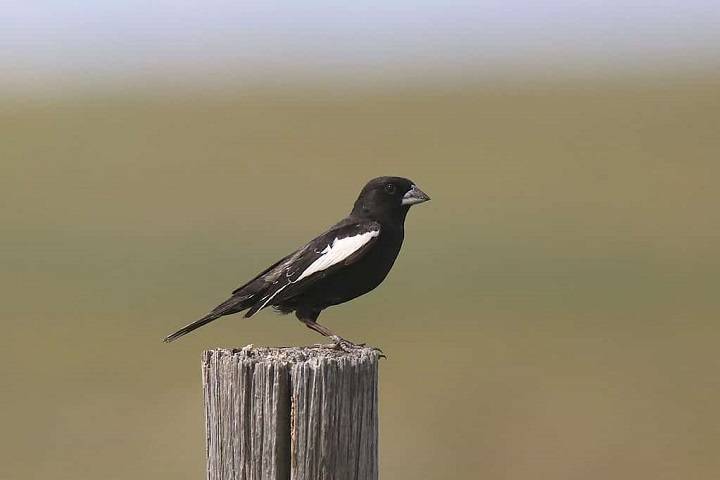
In the realm of avian wonders, few creatures command attention quite like large black and white birds. With their striking contrast of colors and imposing size, these majestic creatures stand out in any natural landscape. From the iconic bald eagle soaring overhead to the elegant great egret wading through wetlands, large black and white birds captivate birdwatchers, photographers, and nature enthusiasts around the world. In this blog post, we embark on a fascinating journey to explore the diverse species, unique characteristics, and ecological significance of these magnificent avian ambassadors.
The Magnificent Bald Eagle: Symbol of Strength and Freedom
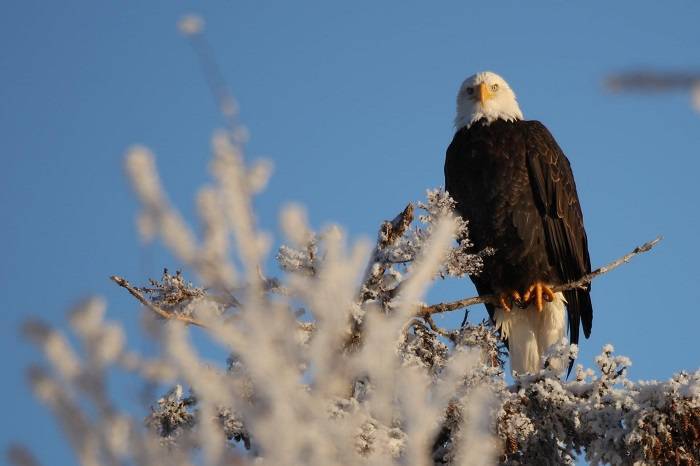
One of the most iconic and revered large black and white birds is the bald eagle (Haliaeetus leucocephalus), known for its majestic appearance and powerful symbolism. As the national emblem of the United States, the bald eagle holds a special place in the hearts of Americans and people around the world. With its distinctive white head and tail contrasting against a dark brown body, the bald eagle embodies strength, freedom, and resilience.
Habitat and Behavior:
Bald eagles are primarily found near large bodies of water, including rivers, lakes, and coastal areas, where they hunt fish, waterfowl, and small mammals. These magnificent raptors build massive nests in tall trees or on cliffs, often near water sources, where they raise their young and establish territories. During the breeding season, bald eagles perform elaborate aerial displays, including breathtaking courtship flights and dazzling dives, to attract mates and establish pair bonds.
Conservation Status:
Despite their symbolic significance and cultural importance, bald eagles faced severe population declines due to habitat destruction, hunting, and pesticide poisoning in the mid-20th century. However, concerted conservation efforts, including habitat protection, legal protections, and the banning of harmful pesticides like DDT, have led to the remarkable recovery of bald eagle populations in many parts of North America. Today, bald eagles are considered a conservation success story, with their populations rebounding and thriving in diverse habitats across their range.
The Graceful Great Egret: Elegance in Flight and Feeding
Another striking example of a large black and white bird is the great egret (Ardea alba), renowned for its elegant appearance and graceful movements. With its snowy white plumage, contrasting black legs and feet, and long, slender neck, the great egret exudes an aura of refinement and beauty. These majestic wading birds are often found in marshes, swamps, and coastal estuaries, where they stalk shallow waters in search of fish, frogs, and other aquatic prey.
Breeding and Nesting:
During the breeding season, great egrets gather in colonies known as rookeries, where they build stick nests in tall trees or shrubs near water. Males perform elaborate courtship displays, including aerial maneuvers and stick presentations, to attract mates and establish pair bonds. Both parents take turns incubating the eggs and caring for the young, providing them with regurgitated food and protection from predators.
Conservation Challenges:
While great egrets have rebounded from past declines and are currently widespread and abundant across much of their range, they still face threats from habitat loss, pollution, and human disturbance. Wetland degradation, coastal development, and climate change pose significant challenges to the long-term survival of great egret populations. Conservation efforts focused on habitat restoration, pollution control, and protected area management are essential for ensuring the continued viability of these graceful wading birds.
The Enigmatic Pied Crow: Intelligence and Adaptability in Urban Landscapes
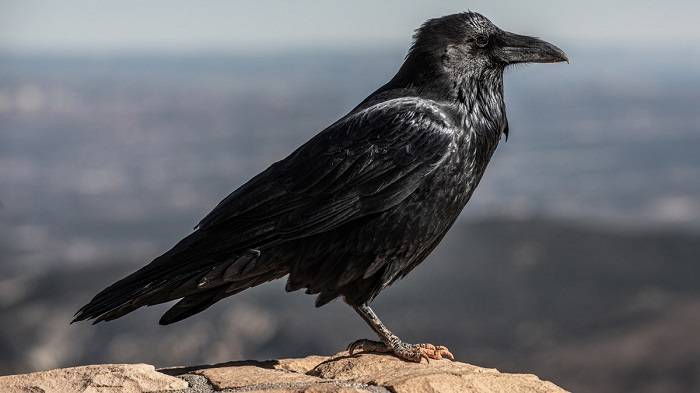
In addition to iconic species like the bald eagle and great egret, there are lesser-known large black and white birds that exhibit remarkable intelligence and adaptability. One such example is the pied crow (Corvus albus), a widespread and adaptable corvid species found in diverse habitats across sub-Saharan Africa. With its distinctive black and white plumage, sharp beak, and keen intelligence, the pied crow has thrived in a variety of environments, including urban areas, agricultural landscapes, and savannas.
Behavior and Adaptations:
Pied crows are highly social birds that form large flocks, often congregating in urban areas where they scavenge for food and exploit human resources. These intelligent corvids are known for their problem-solving abilities, tool use, and complex social behaviors. Pied crows have been observed using sticks, stones, and other objects to extract food from hard-to-reach places and to manipulate their environment to their advantage.
Cultural Significance:
In many African cultures, pied crows are regarded as symbols of wisdom, cunning, and adaptability. They feature prominently in folklore, myths, and proverbs, often portrayed as trickster figures or messengers of the gods. Despite their reputation as pests in some agricultural areas, pied crows are respected and admired for their intelligence, resilience, and resourcefulness.
Large Black and White Birds
While pied crows are not currently considered threatened or endangered, they face localized threats from habitat destruction, poisoning, and persecution in areas where they come into conflict with humans. Efforts to mitigate human-crow conflicts through education, outreach, and non-lethal deterrents are essential for promoting coexistence and minimizing negative interactions between people and birds.
Related Post:
Unlocking the Mystery of When Ducks Lay Eggs
Unveiling the Fascinating Differences Between Male and Female Muscovy Ducks
At What Age Do Ducks Start Laying Eggs? (The Truth)
Large black and white birds encompass a diverse array of species, each with its own unique characteristics, behaviors, and ecological roles. From the majestic bald eagle soaring overhead to the graceful great egret wading through marshes, these magnificent creatures inspire awe and admiration wherever they are found. By learning about and appreciating the beauty and diversity of large black and white birds, we can gain a deeper understanding of the natural world and the importance of conserving and protecting these iconic avian ambassadors for future generations to enjoy. So the next time you encounter a bald eagle soaring high above the treetops or a great egret stalking gracefully through a wetland, take a moment to pause, reflect, and marvel at the wonders of nature’s splendor.
