

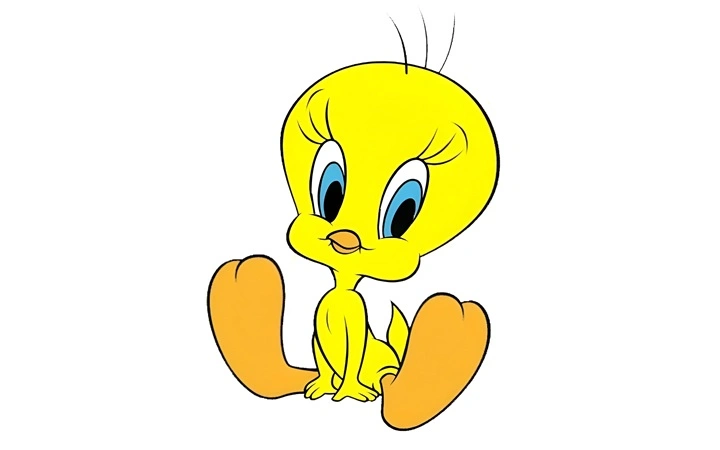
Tweety Bird is one of the most recognizable animated characters in the world. Known for its bright yellow feathers, innocent demeanor, and signature catchphrase, Tweety has become a beloved figure for generations of fans. This blog post explores the history, characteristics, and cultural impact of Tweety Bird, highlighting why this charming character continues to captivate audiences decades after its creation.
The Origin and Creation of Tweety Bird
Tweety Bird first appeared in the Warner Bros. animated series “Looney Tunes” and “Merrie Melodies.” Created by animator Bob Clampett, Tweety made its debut in the 1942 short film A Tale of Two Kitties. Unlike the cute and cuddly appearance Tweety would later adopt, the original version was a naked pink bird with a more mischievous personality.
Tweety was designed to be the target of Sylvester the Cat, who persistently tries to catch the clever little bird. Over time, Tweety evolved into a yellow canary with large blue eyes and a more innocent appearance, appealing to audiences of all ages.
Evolution of Tweety’s Character Design
Tweety’s early design was markedly different from the iconic look known today. The transition from a naked, pink baby bird to a bright yellow canary with fluffy feathers made Tweety more marketable and visually appealing. The soft and rounded design also contributed to the character’s perceived innocence, creating a clever contrast with Sylvester’s predatory antics.
Tweety’s design was refined by several artists, including Friz Freleng, who played a significant role in shaping the character’s personality and appearance during the 1940s and 1950s.
Tweety Bird’s Personality and Characteristics

Tweety is often mistaken for a helpless and fragile bird due to its small size and sweet voice. However, this perception is a deliberate trait, as Tweety often outsmarts Sylvester and other adversaries with cleverness and wit.
The Famous Catchphrase and Voice
One of Tweety Bird’s most famous traits is its unique way of speaking. The character speaks with a lisp, often pronouncing words like “I tawt I taw a puddy tat!” which means “I thought I saw a pussycat!” This catchphrase has become synonymous with Tweety’s identity and adds a playful charm to the character.
Tweety’s voice was originally provided by Mel Blanc, the legendary voice actor known for many Warner Bros. characters. Blanc’s vocal work helped give Tweety a distinctive and memorable sound that resonates even today.
Symbolism and Role in Cartoons
Tweety represents innocence, resourcefulness, and the classic underdog story. Despite its vulnerability, Tweety consistently outwits Sylvester, emphasizing that brains often triumph over brawn. The character’s role often revolves around the chase, with Sylvester attempting to catch Tweety, only to be thwarted time and again.
This dynamic between predator and prey became a staple of the Looney Tunes franchise and remains one of its most enduring comedic elements.
Tweety Bird in Popular Culture
Tweety Bird’s influence extends far beyond cartoons. Over the decades, the character has appeared in various forms of media, merchandise, and even art.
Appearances Beyond Animation
Tweety has been featured in television shows, movies, comic books, and video games. The character has also made cameo appearances in live-action films and commercials. Tweety’s versatility has helped keep it relevant in changing entertainment landscapes.
Additionally, Tweety has appeared alongside other Looney Tunes characters, becoming part of a broader universe beloved by fans of all ages.
Merchandise and Collectibles
Tweety Bird’s image has been widely used in merchandise ranging from toys and clothing to home décor and stationery. The character’s appeal to children and adults alike has made Tweety a popular figure for collectors.
Limited edition items and vintage collectibles featuring Tweety are highly sought after, demonstrating the character’s lasting appeal in pop culture.
Tweety as a Symbol in Art and Media
Beyond commercial products, Tweety has been interpreted in art and media as a symbol of innocence, mischief, and perseverance. The character’s image has inspired artwork, parodies, and reinterpretations, reflecting its deep embedment in cultural consciousness.
Why Tweety Bird Remains Relevant Today
Despite being created nearly 80 years ago, Tweety Bird remains a beloved figure for multiple reasons.
Timeless Humor and Relatable Themes
The humor in Tweety’s cartoons revolves around clever wordplay, slapstick comedy, and the universal theme of the underdog overcoming challenges. These elements resonate with audiences regardless of age or era.
The character’s innocence combined with sharp wit appeals to viewers’ sense of justice and playfulness, making Tweety endlessly entertaining.
Adaptations for New Generations
Warner Bros. has successfully adapted Tweety Bird for modern audiences through updated shows, movies, and digital media. These adaptations keep the core characteristics intact while incorporating contemporary humor and animation styles.
Social media platforms also contribute to Tweety’s popularity, with memes, GIFs, and fan art keeping the character alive in digital culture.
Educational and Positive Messaging
Tweety Bird’s stories often carry subtle lessons about courage, cleverness, and resilience. These positive messages help endear the character to parents and educators, making Tweety a safe and positive role model for children.
The Dynamic Between Tweety Bird and Sylvester the Cat
A significant part of Tweety’s charm lies in the interplay with Sylvester the Cat. Their ongoing chase scenes are a classic example of cartoon rivalry.
The Chase and Its Comedy
The cat-and-bird chase dynamic features Sylvester’s constant scheming to catch Tweety, only to be outsmarted in creative and humorous ways. This formula has been the basis for many episodes, providing consistent entertainment.
The humor also lies in the contrast between Sylvester’s determination and Tweety’s innocent appearance, adding layers to their relationship.
Evolution of Their Relationship
While initially purely adversarial, some later cartoons and adaptations depict moments of camaraderie and friendship between Tweety and Sylvester, reflecting more complex character development.
This evolution has added depth to their characters and expanded storytelling possibilities.
Tweety Bird’s Impact on Animation and Entertainment
Tweety Bird’s success has had a lasting impact on the animation industry.
Influence on Character Design
Tweety’s appealing design influenced future cartoon characters by proving that combining cuteness with cleverness creates a compelling and memorable figure. The character helped set a standard for designing protagonists who are both endearing and smart.
Contribution to the Looney Tunes Legacy
As one of the key figures in the Looney Tunes franchise, Tweety helped shape the brand’s identity. The character’s popularity contributed to the franchise’s longevity and worldwide appeal.
Tweety’s presence alongside other legendary characters like Bugs Bunny, Daffy Duck, and Porky Pig helped make Looney Tunes a cultural staple.
Frequently Asked Questions About Tweety Bird
What species is Tweety Bird?
Tweety is generally depicted as a yellow canary, although early designs showed a more ambiguous baby bird.
Who created Tweety Bird?
Tweety Bird was created by animator Bob Clampett and later developed by Friz Freleng for Warner Bros.
What is Tweety Bird’s famous catchphrase?
Tweety’s iconic catchphrase is “I tawt I taw a puddy tat,” which means “I thought I saw a pussycat.”
Who provides Tweety Bird’s voice?
Mel Blanc was the original voice actor for Tweety Bird, known for his distinctive lisp and playful tone.
Why is Tweety so popular?
Tweety’s combination of innocence, cleverness, and humor appeals to audiences of all ages, making it a timeless character.
Tweety Bird A Timeless Animated Treasure
Tweety Bird continues to charm audiences with its bright personality, clever antics, and enduring appeal. From its origins in classic Warner Bros. cartoons to its place in modern popular culture, Tweety remains a symbol of wit and innocence that transcends generations. The character’s legacy is not just in its entertaining chase scenes or memorable catch phrases but in its ability to connect with fans worldwide, inspiring laughter, joy, and nostalgia.
