

Most people associate birds with beauty. A jewel-like hummingbird. An effortlessly gliding swan. A peacock unfolding its feathers. Birds are sometimes symbols of grace.
But not every bird is built for beauty. Some are awkward. Some are bald. Some have faces that look prehistoric. These are the ugliest birds. But to call them ugly is only half the story.
The ugliest bird is likely to be the most important. They make our world a clean world. They balance ecosystems. They show us that survival, not beauty, is the priority that the natural world assigns. Their odd shape and visible skin serve a purpose. They may not possibly succeed in a beauty contest, but they have duties that other birds cannot perform.
Here, we will learn about the ugliest birds in the world. We’ll meet scavengers, strange ducks, and non-parrot parrots. We’ll learn why they look the way they do and why they matter. You may think about their beauty differently after you read.
Why Some Ugliest Birds Look Ugly
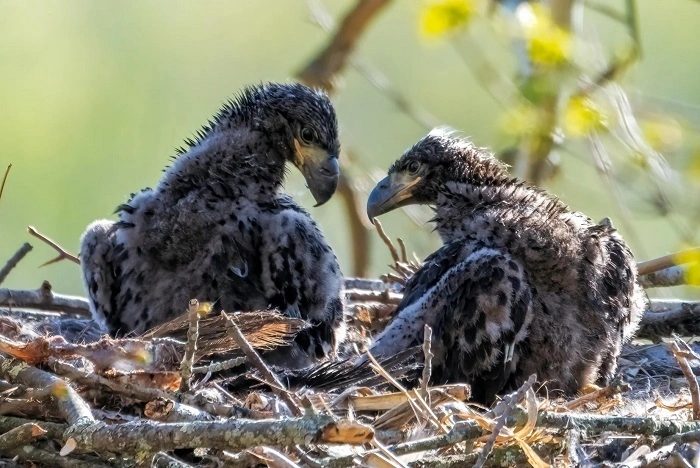
Ugly is a human construct. Nature doesn’t appreciate beauty as much as humans do. Unusual bald head, wrinkled epidermis, or unpleasant body shape is rare, but it helps in bird survival.
Reasons Why Unusual Features Exist
- Bald heads make scavenger birds clean while eating carrion.
- Glowing bare face shows health to mates.
- Big beak cracks hard food or snatches abnormal prey.
- Strange calls are better for seeking partners than feathers are.
- Heavy bodies or misshapen wings can be appropriate for ground-dwelling lifestyles.
Ugliest birds are a sign that form is secondary to function.
The Ugliest Birds in the World
Marabou Stork
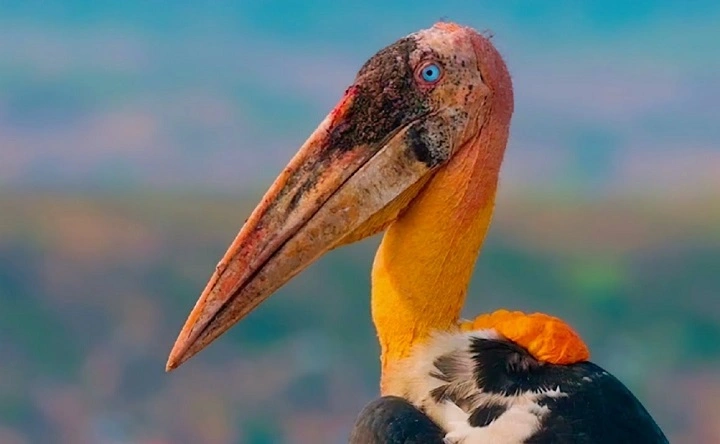
The marabou stork is referred to as the world’s ugliest bird. It stands up to five feet tall with a bald head, spindly legs, and a pink throat sac that hangs at an inopportune angle. It has ruffled feathers, and its wings are huge.
It is a scavenger. It eats dead animals and even garbage. To humans, that would be gross. But the marabou stork is a natural cleaner. Otherwise, stinking carcasses would cause disease. Its bald head does not allow it to get infected. Its large wings allow it to fly far in search of food.
Marabou storks that live in African towns roost on dumps and rooftops. They are ugly in the air, but they belong to the order of things.
Turkey Vulture
The turkey vulture is another one of the ugly birds classics. It has a red bald face, hooked beak, and dark gray body. When it spreads its wings, it is grand. But up close, people avoid its face.
As the marabou, the turkey vulture is a scavenger, too. Its bald head is perfectly suited for dining daintily off carrion. Its sense of smell is some of the strongest in birds and can detect food from miles away.
It appears rough, but it soars in grace. American farmers love it as a pal. It removes dead livestock and reduces disease. Eyesore to see, but essential to the planet.
Shoebill Stork
The shoebill stork looks like a dinosaur-era bird. It is gray and tall, with pointed eyes and a huge shoe-shaped bill. That bill seems too massive for its head. It makes the shoebill look awkward, even intimidating.
But the bill is a wonderful tool. It helps the shoebill catch lungfish, eels, and even small crocodiles. It waits for hours in African marshes and then smashes with power.
To bird enthusiasts, the shoebill is not ugly but fascinating. It’s odd, old, and full of character.
Muscovy Duck
The Muscovy duck can be spotted on farms. Compared to the mallard, it has a red, warty face called caruncles. This makes it look diseased or peculiar. Most call it one of the world’s ugliest birds.
But it is valuable to farmers. Muscovy ducks are strong, good to eat, and adapt easily. The face skin, which appears so weird, is a sign of health and authority. Ugliness in its own special form, the Muscovy duck is power.
California Condor
The condor is gigantic. Its wingspan is almost 10 feet, so it is among the largest birds to take to the skies. Yet it has a bald, wrinkled head. Its neck turns red when it gets excited. Close up, most people consider it to be ugly.
But in flight, it is magnificent. The condor soars over deserts and mountains for hours, flying over mountains. Scavengers like the rest of the vultures, feeding on carrion and keeping environments healthy.
It nearly went extinct during the 1980s. Due to conservation, its numbers are rising again. Ugly to some, but magnificent to others.
Naked-Neck Chicken
Also called Transylvanian Naked Neck, this chicken looks half-plucked. The neck is bare. To people used to seeing fluffy chickens, it looks weird.
But farmers love it. The lack of feathers keeps the bird cool in hot weather. It’s robust, grows rapidly, and resistant to disease. Ugly on the outside, useful on the farm.
Kakapo
The kakapo is the odd parrot out. Native to New Zealand, it is flightless, plump, and at night. It has an owl-like round face, a dense body, and moss green feathers. Some have dubbed it one of the ugliest parrots.
But the kakapo is uncommon and much cherished. Now nearly extinct, it lives only by special protection. Its strange looks hide its beauty. It has a sweet honey and flowers smell. It scrambles up trees and booms over valleys. To some, it is strange but beautiful.
| Bird | Odd Feature | Why It Helps |
| Marabou Stork | Bald head, throat sac | Clean scavenging |
| Turkey Vulture | Red bald head | Hygiene at carrion |
| Shoebill Stork | Shoe-shaped bill | Grabs large prey |
| Muscovy Duck | Red warty face | Signals health |
| California Condor | Bald head, rough skin | Eats carrion |
| Naked-Neck Chicken | No feathers on neck | Stays cool |
| Kakapo | Unusual face, heavy body | Lives on ground |
Why Ugly Birds Matter
They may not be handsome, but they’re crucial.
- Scavengers like vultures and condors keep disease at bay.
- Ducks and chickens feed families.
- Rare animals like the kakapo trigger conservation.
Ugliest birds teach us that life values function over appearance.
The Hidden Beauty of Ugly Birds
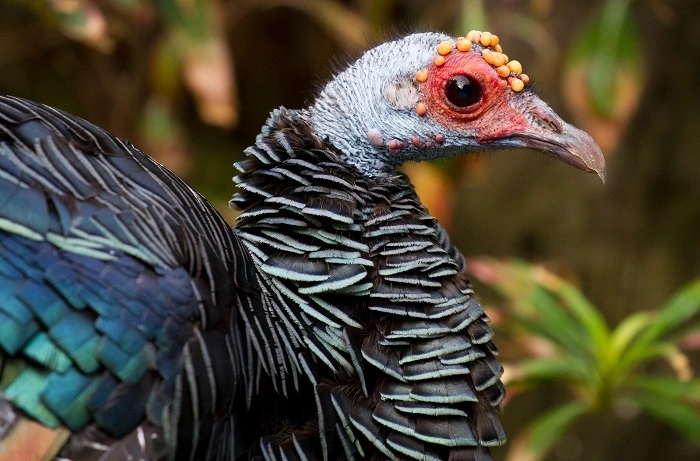
Step closer, and the grotesque becomes handsome. The wrinkled condor head is perfect for its diet. The dense shoebill bill is streamlined. The kakapo’s strange face is endearing.
Nature’s beauty isn’t necessarily showy plumage. It can be potency, practicality, or strangeness.
Conservation Challenges
All of the ugliest birds are in jeopardy. Condors were nearly wiped out. Kakapos were in the dozens. Even vultures are in decline in Asia and Africa due to poisoned carrion.
They have to be saved. They do not attract tourists like peacocks, but ecosystems disintegrate without them. Scavengers are as necessary as predators. Every species has a role to play.
Cultural Attitudes towards Ugly Birds
Cultures treat ugly birds differently. Marabou storks are cleaner money in Africa. Muscovy ducks are agricultural staples in South America. In New Zealand, the kakapo is a gem.
Some people need ugliness, and some people do not. Needs and traditions make values different.
Lessons from the Ugliest Birds
Ugliest birds also impart valuable lessons:
- Looks come second to staying alive.
- Every odd feature serves a purpose.
- Beauty for the sake of beauty is not the reason to love life.
- Conservation has to be more than pretty animals.
They remind one that life is not just in many various forms but all are worthy of respect.
FAQs About Ugliest Birds
What is the world’s ugliest bird?
The ugliest bird is the marabou stork, say some, with its bald head and throat sac.
Why are vultures so ugly?
Their coarse-looking bald heads are functional to clean them while feeding on carrion. It’s not pretty.
Is the shoebill stork ugly or fascinating?
It is ugly to most, though birders find it special, old, and royal.
Why do we require ugly birds?
They cleanse the atmosphere, maintain ecological balance, and encourage conservation.
Are ugly birds lovely?
Yes. They have followers who enjoy seeing them soar, their niche in nature, and their tenacity.
Conclusion
Ugliest birds may be strange, bald, or awkward. But they are necessary. They clean, eat, and live. They remind us that the most beautiful thing in life is not necessarily the most vital.
From the African marabou stork to New Zealand’s kakapo, every ugly bird is a story. A story of survival, adaptation, and being.
Ugliest birds teach us to see beyond feathers. To notice strength in odd forms. To admire every animal, no matter what. In surviving, there is beauty. In being, there is purpose.
