


When most people think of birds, they imagine colorful feathers, elegant flight, and melodious songs. But not all birds fit this charming picture. Enter the ugly bird — a term often used to describe avian species that lack conventional beauty. With bald heads, wrinkled skin, and awkward movements, these birds may be considered unattractive by human standards, but they play crucial roles in nature. In this post, we’ll explore the most famously “ugly” birds in the world and why they’re far more fascinating than they appear.
What Makes a Bird “Ugly”?
Human Perception of Beauty
Beauty is subjective, and this applies to wildlife as much as anything else. Birds are often judged by their plumage, symmetry, and grace. When a species defies those traits — perhaps with scaly skin, drooping features, or eerie sounds — it gets labeled an ugly bird.
Functional Appearance
Many so-called ugly birds have evolved their features for survival. Bald heads help scavengers stay clean, large eyes improve night vision, and oversized beaks assist in feeding. These traits might seem strange, but they’re highly efficient.
Top 7 Birds Often Called the Ugliest in the World
Marabou Stork
Native to sub-Saharan Africa, the marabou stork is often considered the ultimate ugly bird. Standing nearly five feet tall with a bald head, saggy neck pouch, and scabby skin, it looks prehistoric. Yet, it plays a critical role in the ecosystem by feeding on carcasses and waste.
California Condor
This massive bird has a wingspan of nearly 10 feet, but it’s the wrinkled, vulture-like face that gets it on the ugly bird list. Found in the southwestern United States, it’s one of the most endangered birds in the world and a vital scavenger in mountainous regions.
Shoebill Stork
With a massive, shoe-shaped bill and piercing stare, the shoebill is a bizarre-looking creature from the swamps of East Africa. Its slow, robotic movements and prehistoric features make it unique, if not traditionally attractive.
Muscovy Duck
Native to Central and South America, this duck has warty red facial skin and an oddly quiet demeanor. While many find it unattractive, its meat is considered a delicacy in several cultures.
Naked Neck Chicken
This domesticated bird, also called a “Turken,” looks like a mix between a turkey and a chicken due to its featherless neck. Though not technically wild, it’s often featured in lists of ugly birds because of its unusual appearance.
King Vulture
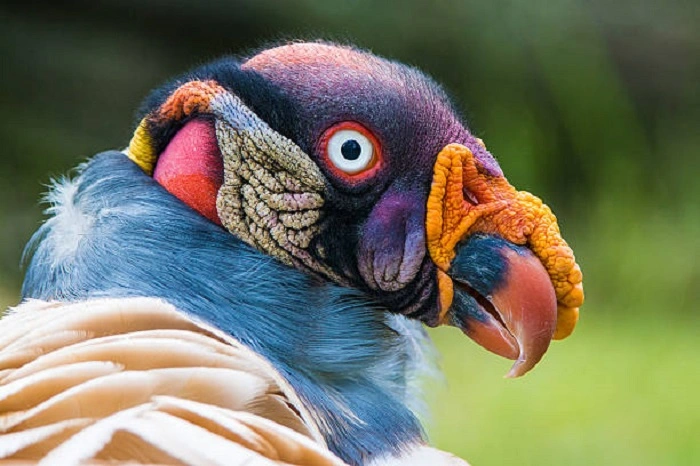
Despite its bold colors, the king vulture’s bare head and wrinkled face land it on the ugly bird list. However, it’s a critical part of South American ecosystems, keeping environments clean by scavenging dead animals.
Andean Condor
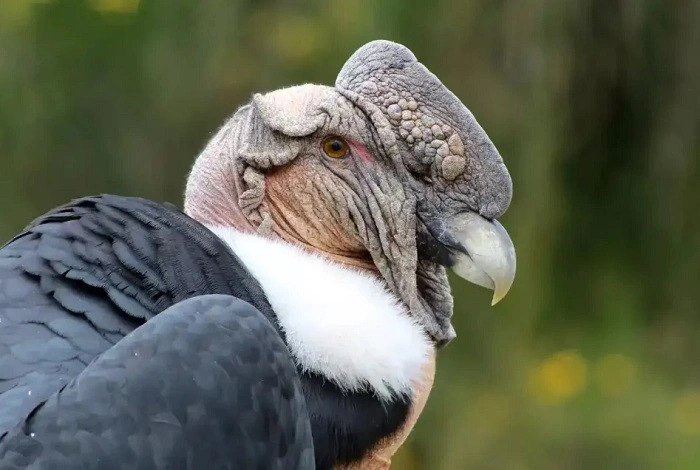
Another contender for ugliest bird, the Andean condor has a bare head and neck adapted for scavenging. It’s an important cultural symbol in South America and plays a vital ecological role.
Why Ugly Birds Are Important to the Environment
Nature’s Clean-Up Crew
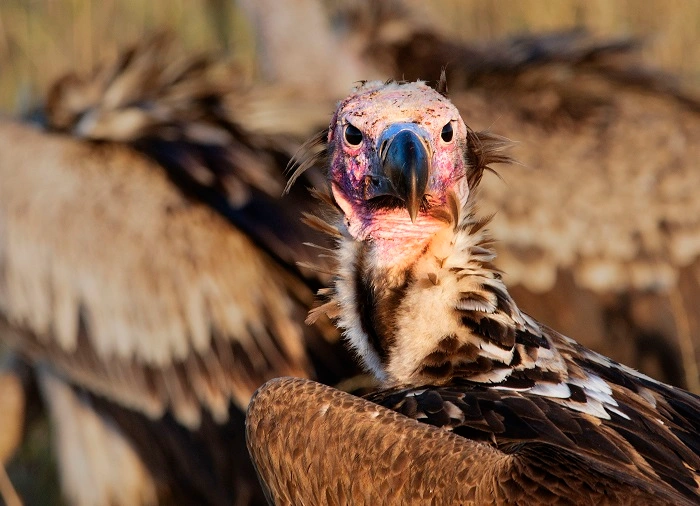
Many ugly birds are scavengers. Their appearance — especially bald heads — is an adaptation that keeps bacteria and waste from sticking to them when they feed on carcasses.
Biodiversity Indicators
Species like the California condor or marabou stork can signal the health of an ecosystem. Their presence often means nature’s clean-up systems are functioning well.
Evolutionary Masterpieces
Ugly birds are not evolutionary mistakes — they’re proof of nature’s innovation. Features that look odd to us are often the result of millions of years of adaptation and survival efficiency.
Cultural Perceptions and Myths About Ugly Birds
From Omens to Icons

In many cultures, ugly birds have been misunderstood. Vultures, for example, are often seen as symbols of death or bad luck. But in Ancient Egypt and among Native American tribes, they were respected for their role in cleansing and renewal.
Changing Perspectives
As conservation awareness grows, more people are learning to appreciate the role these unusual creatures play. The term ugly bird is slowly evolving into a badge of uniqueness rather than insult.
How to Spot an Ugly Bird in the Wild
Behavior and Habitats

Ugly birds often live in open spaces like savannas, swamps, or cliffs. They prefer areas where they can glide easily, scavenge, or remain out of human reach.
Distinct Features
- Bald or wrinkled skin on the head or neck
- Large, awkward bills or pouches
- Scavenging or slow-walking behaviors
- Often found near roadkill, rivers, or garbage dumps
Best Places for Sightings
- East Africa for shoebill storks
- Southwestern USA for California condors
- Amazon Basin for king vultures
- India and Pakistan for naked neck chickens (in farms)
The Role of Conservation in Protecting Ugly Birds
Endangered Status
Many birds labeled as ugly are on the brink of extinction due to habitat loss, poaching, and poisoning. Conservation efforts are critical not just for their survival, but for the ecosystems they protect.
Ecotourism and Education
Wildlife tourism focused on unique species helps bring attention and funds to conservation programs. Some birdwatching tours specifically include ugly bird sightings for this reason.
What You Can Do
- Support wildlife sanctuaries and conservation organizations
- Educate others about the ecological value of scavenger birds
- Avoid littering or using harmful pesticides that can poison scavenging species
FAQs About Ugly Birds
Why are some birds considered ugly?
Birds are often labeled ugly due to baldness, wrinkles, or odd features. These traits are usually evolutionary adaptations, not flaws.
Are ugly birds harmful?
No. Most of them are scavengers and play essential roles in cleaning the environment and preventing disease spread.
Can ugly birds be kept as pets?
Some domesticated species like the Muscovy duck or naked neck chicken can be raised, but wild birds like condors and vultures are protected and cannot be kept as pets.
What is the ugliest bird in the world?
The marabou stork frequently earns this title, but others like the shoebill or vulture also compete for the crown depending on public opinion.
Why are vultures bald?
Bald heads help vultures stay clean when feeding on carrion. Feathers would collect bacteria and decay, increasing the risk of infection.
Ugly birds might not win beauty contests, but they hold crucial roles in the natural world. From their unmatched cleaning services to their unique evolutionary paths, these birds deserve recognition, respect, and protection. It’s time we look beyond appearances and appreciate these misunderstood marvels for what they truly are — nature’s unsung heroes.
