


The world of birds is filled with incredible fliers, but one question captivates many: what is the fastest bird? Whether in level flight or during a dive, several bird species exhibit unmatched speed and agility. This article explores the fastest birds on the planet, their flying styles, the science behind their speed, and how they compare to each other.
Understanding Bird Speed: Not All Fast Flights Are Equal
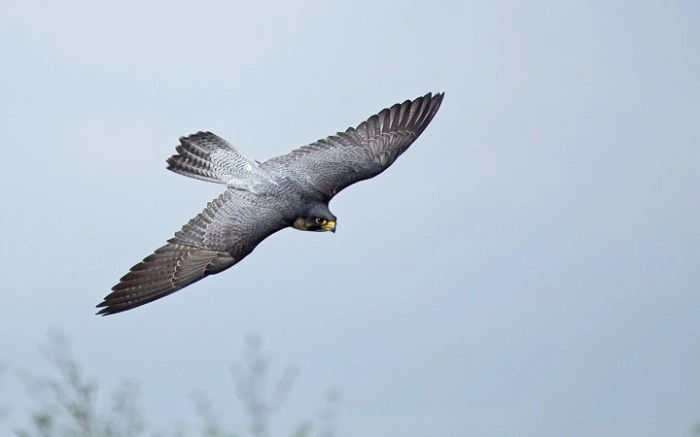
Before we name the winner, it’s important to distinguish between two types of flight
Level flight – The bird maintains a consistent altitude and speed
Diving speed – The bird gains speed while diving, often for hunting
Some birds excel in powered, sustained flight while others achieve astonishing speed in a steep dive.
The Title Holder: Peregrine Falcon

When people ask what is the fastest bird, the answer is nearly always the Peregrine Falcon (Falco peregrinus). This raptor is renowned for its high-speed hunting dives known as “stoops.”
In a controlled dive, a Peregrine Falcon can reach speeds up to 240 mph (386 km/h), making it not only the fastest bird but also the fastest animal on Earth.
In level flight, however, its speed averages around 40–55 mph, similar to many other birds of prey. Its record-breaking speed is mainly observed during steep dives as it targets unsuspecting prey mid-air.
Other High-Speed Bird Species
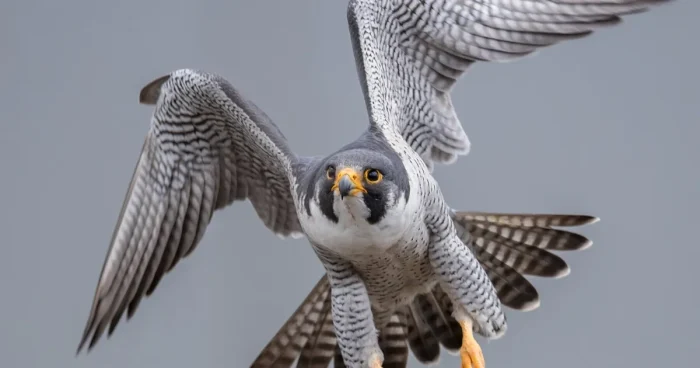
Though the Peregrine Falcon dominates in diving speed, several birds come close when it comes to sustained level flight. Let’s explore the top contenders
Common Swift
The Common Swift (Apus apus) is among the fastest birds in level flight. It has been recorded flying continuously at speeds of 70 mph (113 km/h). Unlike falcons, swifts do not dive to hunt. Instead, they maintain high speeds during migration and feeding.
Frigatebird
The Frigatebird has one of the highest wing-to-weight ratios among birds, allowing it to stay airborne for weeks. Though not as fast as others in short bursts, it can glide at impressive speeds of around 95 mph (153 km/h) during oceanic wind rides.
Spine-tailed Swift (White-throated Needletail)
This bird is often cited as one of the fastest in level flight. It’s known to reach speeds of up to 105 mph (169 km/h), making it a strong challenger for the fastest level flier title. It also has aerodynamic wings and a muscular build.
Golden Eagle
Golden Eagles have powerful wings and keen eyesight, allowing them to soar and dive at high speeds. In a hunting stoop, they can reach 150–200 mph, slightly below the Peregrine but still formidable.
Comparison Table of the Fastest Birds
| Bird Name | Flight Type | Top Speed (mph) | Known For |
| Peregrine Falcon | Dive | 240 | Fastest animal on Earth |
| Common Swift | Level | 70 | High-speed migratory bird |
| White-throated Needletail | Level | 105 | Fastest level flight (debated) |
| Frigatebird | Glide | 95 | Longest sustained flight time |
| Golden Eagle | Dive | 150–200 | Powerful predator and diver |
Why Are Some Birds So Fast?
Speed in birds is often a result of evolutionary pressure. Raptors like falcons evolved to dive quickly to surprise and capture prey. Migratory birds such as swifts developed fast, efficient flight patterns to cover large distances.
Several factors contribute to a bird’s speed
Wing shape – Long, narrow wings reduce drag
Muscle power – Strong pectoral muscles boost thrust
Body weight – Lighter birds accelerate faster
Feather structure – Smooth feathers improve airflow and reduce turbulence
How Scientists Measure Bird Speed
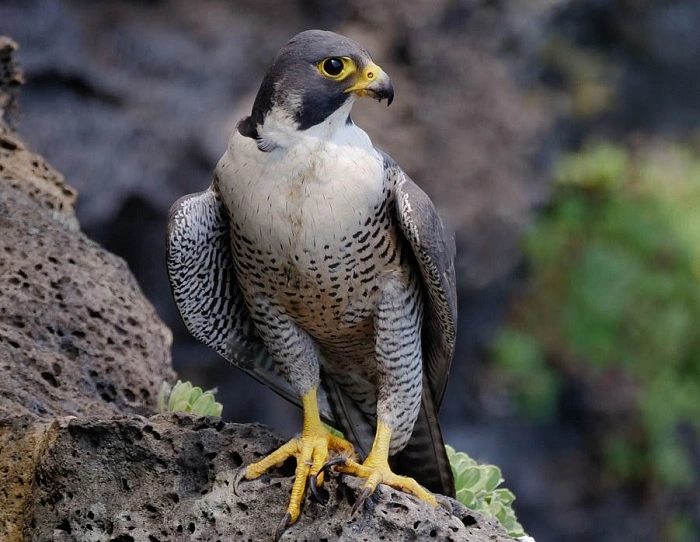
Bird speed can be measured using radar, high-speed cameras, GPS tracking devices, or wind tunnel simulations. For example, Peregrine Falcon speed records have been confirmed using skydivers with altimeters and speedometers.
Debates still arise due to differences in methodology and whether diving or level flight is being measured. However, the consensus remains that the Peregrine Falcon is the fastest when diving, and the White-throated Needletail may be the fastest in level flight.
Bird Speed in Context: How Fast Is 240 mph?
To understand just how fast 240 mph is, consider the following comparisons
A Formula One car reaches about 230–240 mph on straight tracks
Commercial airplanes lift off at around 160–180 mph
A cheetah, the fastest land animal, tops out at 60–70 mph
This shows the Peregrine Falcon outpaces nearly everything in the animal kingdom, all while relying purely on natural wing mechanics.
Bird Speed and Hunting Efficiency
Fast birds tend to be highly effective hunters. Peregrines use their high-speed dive to strike prey with force rather than rely solely on talons. The aerodynamic dive minimizes escape chances for birds like pigeons or starlings.
In contrast, swifts and swallows use speed to catch flying insects mid-air. Their sharp turns and constant motion give them the edge in the sky.
Fastest Birds in Water and Land

While the article focuses on flying speed, it’s interesting to note other bird speed categories
Fastest running bird – The Ostrich runs at 45 mph (72 km/h)
Fastest swimming bird – The Gentoo Penguin swims up to 22 mph (36 km/h)
Each bird has evolved for speed in its domain—air, land, or water—based on survival needs and ecological niche.
Frequently Asked Questions (FAQs)
What is the fastest bird in the world?
The Peregrine Falcon is the fastest bird, reaching speeds up to 240 mph during hunting dives.
Which bird has the fastest level flight speed?
The White-throated Needletail is believed to hold the fastest level flight speed, at around 105 mph.
Can any bird fly faster than a jet plane?
No bird can match the sustained speed of jet aircraft, but the Peregrine Falcon can momentarily match their speed in a dive.
Are fast birds better hunters?
Often, yes. Speed gives them a tactical advantage in catching prey, especially birds of prey like falcons and eagles.
What bird flies the longest distance?
The Bar-tailed Godwit holds the record for longest nonstop flight, covering over 7,500 miles without landing.
So, what is the fastest bird? The answer remains the Peregrine Falcon, unmatched in speed during its death-defying stoops. While other birds like the White-throated Needletail and Common Swift challenge records in level flight, none surpass the Peregrine’s 240 mph dive.
These birds have evolved remarkable adaptations to dominate their aerial environments. Their speed is not just a feat of nature but also a symbol of survival, precision, and grace in motion. From urban rooftops to remote cliffs, these fast-flying predators continue to remind us of the raw, aerodynamic power of the avian world.
