

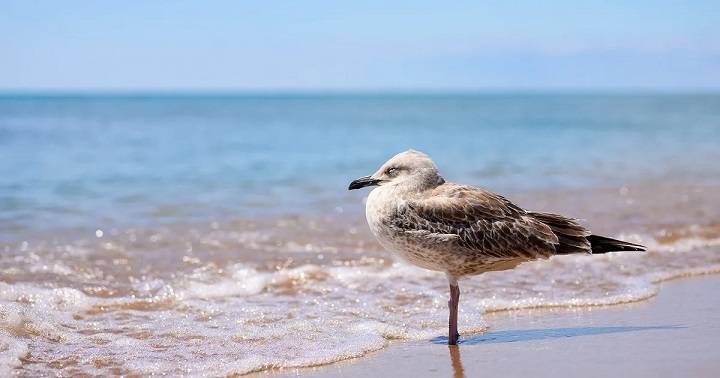
Seagulls, with their distinctive cries and graceful flight, are iconic coastal birds found around the world. While we often encounter them during the day, soaring over beaches and harbors or scavenging for food along shorelines, have you ever wondered where these avian denizens retire to at night? In this blog post, we embark on a journey to unravel the mystery of where seagulls sleep, exploring their nocturnal habits, preferred roosting sites, and the fascinating adaptations that enable them to rest and recharge after a day of coastal adventures.
Understanding Seagulls: Coastal Guardians of the Skies

Introduction to Seagulls:
- Seagulls, also known as gulls, belong to the family Laridae and comprise a diverse group of seabirds characterized by their long wings, webbed feet, and distinctive calls. They are highly adaptable birds that inhabit coastal regions, estuaries, and inland lakes, where they play essential roles in marine ecosystems.
Ecological Importance:
- Seagulls are opportunistic feeders with omnivorous diets, consuming a wide variety of foods, including fish, crustaceans, insects, mollusks, and even human refuse. As scavengers and predators, they help regulate marine and terrestrial ecosystems by controlling populations of prey species and recycling organic matter.
Nocturnal Habits of Seagulls
Daytime vs. Nighttime Activity:
- Seagulls are primarily diurnal birds, meaning they are most active during the day, when they forage for food, socialize, and engage in courtship displays. However, like many birds, seagulls also require restorative sleep to maintain their health and energy levels.
Nighttime Roosting Behavior:
- As dusk falls and darkness envelops the coastal landscape, seagulls seek out safe and sheltered roosting sites where they can rest, sleep, and avoid predators. These nocturnal roosts provide seagulls with protection from the elements and a sense of security during the vulnerable nighttime hours.
Preferred Roosting Sites
Coastal Environments:
- Seagulls are intimately tied to coastal environments, where they find abundant food sources and suitable roosting sites. Along rocky cliffs, sandy beaches, and coastal marshes, seagulls may seek out natural roosting locations such as caves, crevices, and rocky outcrops.
Urban Habitats:
- In addition to natural coastal habitats, seagulls have adapted to urban environments, where they exploit human-made structures and amenities for roosting purposes. Buildings, bridges, piers, and rooftops provide elevated vantage points and sheltered roosting sites away from ground-level disturbances.
Communal Roosting Behavior

Strength in Numbers:
- Seagulls often roost in large, communal groups, or colonies, particularly during the non-breeding season or winter months. These roosting aggregations serve multiple functions, including predator avoidance, thermoregulation, and social interaction among flock members.
Social Dynamics:
- Within seagull colonies, social hierarchies and interactions may occur, with dominant individuals occupying prime roosting spots and asserting control over resources. Mutual grooming, vocalizations, and territorial displays are common behaviors observed among roosting seagulls.
Adaptations for Nocturnal Survival
Thermal Regulation:
- To conserve body heat and maintain optimal temperatures during chilly nights, seagulls employ physiological and behavioral adaptations. They may huddle together in tight-knit groups to share body heat or tuck their heads under their wings to minimize heat loss.
Vigilance and Defense:
- Despite their apparent vulnerability while roosting, seagulls remain vigilant to potential threats from predators such as owls, falcons, and terrestrial mammals. Sentinel individuals may keep watch while others sleep, emitting alarm calls or engaging in mobbing behavior to deter predators.
Where Do Seagulls Sleep
Urban Conflicts:
- Seagulls often come into conflict with humans in urbanized coastal areas, where they scavenge for food in garbage bins, steal snacks from beachgoers, and nest on rooftops. Management strategies such as habitat modification, deterrents, and public education are implemented to mitigate human-gull conflicts.
Pollution and Habitat Loss:
- Pollution, habitat degradation, and coastal development pose significant threats to seagull populations and their roosting habitats. Plastic pollution, oil spills, and loss of nesting sites due to urbanization can have detrimental effects on seagull health and reproductive success.
Related Post:
Exploring the Kaleidoscope of Call Duck Colors
Discovering the Friendliest Duck Breed: Feathers and Companionship
Exploring the Enchanting World of Call Ducks: Miniature Marvels
The nocturnal habits and roosting behavior of seagulls offer insights into their remarkable adaptations for survival in coastal environments. By understanding the ecological significance of seagulls and the challenges they face in urbanized coastal landscapes, we can work towards conserving their habitats and promoting coexistence with these iconic coastal guardians. Whether nestled on rocky cliffs or perched atop urban skyscrapers, seagulls continue to inspire awe and admiration as resilient inhabitants of the coastal skies.
