

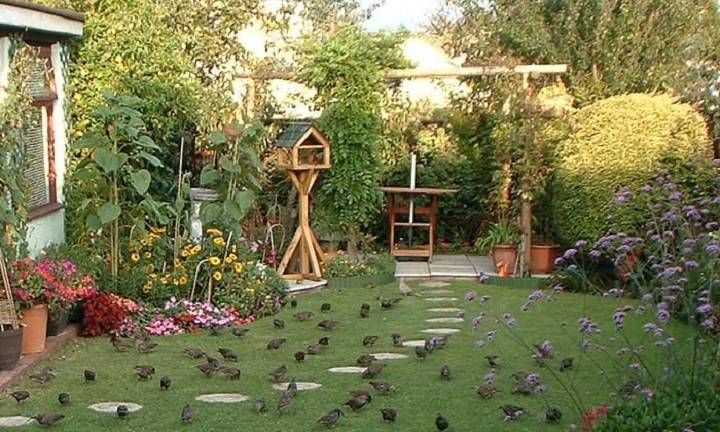
As we embark on this journey to understand the surge in avian presence, it’s essential to recognize that bird behavior is influenced by a multitude of factors, ranging from seasonal changes to environmental conditions. One of the primary drivers of increased bird activity is the seasonal migration patterns that many species follow.
Migration plays a pivotal role in the lives of numerous bird species, as they travel vast distances in search of suitable breeding grounds, food sources, or more favorable climates. During these migrations, it is not uncommon for birds to make temporary stops in areas they wouldn’t typically frequent. As a result, your yard might transform into a temporary haven for a diverse array of migratory birds, adding to the excitement of birdwatching.
Furthermore, changes in local ecosystems, such as the flowering of specific plants or an abundance of insects, can attract birds seeking food and nesting opportunities. Insects, for instance, serve as a crucial food source for many birds, especially during the breeding season when the demand for protein-rich diets is high. A sudden increase in insect activity in your yard may explain the sudden influx of birds, as they seize the opportunity to capitalize on the available food resources.
Another factor contributing to a surge in bird numbers could be the presence of water sources. Birds are naturally drawn to areas with accessible water, whether it’s a birdbath, pond, or other water features. Your yard might become a preferred destination for birds if you provide a consistent and clean water supply, especially during periods of drought or when natural water sources are scarce.
Human activities, too, can influence bird behavior. The type and quantity of bird feeders, the variety of bird-friendly plants in your garden, and the overall landscaping of your yard all contribute to its attractiveness to birds. A well-designed and bird-friendly environment can act as a magnet for various species, leading to a sudden influx of feathered visitors.
In the subsequent sections of this guide, we will delve deeper into each of these factors, providing insights into the fascinating world of bird behavior and migration. By gaining a better understanding of the dynamics at play, you’ll be better equipped to appreciate and enjoy the diverse avian visitors gracing your yard and foster an environment that encourages their continued presence.
The Bird’s Eye View: A Glimpse into Avian Behavior

Before we uncover the reasons behind the sudden appearance of numerous birds in your yard, let’s take a moment to understand some aspects of bird behavior and ecology:
Social Structure: Within bird species, there can be a diverse range of social structures. Some birds, like certain species of raptors, are solitary hunters, while others, such as many waterfowl species, form large flocks for feeding and protection. Social hierarchies may exist within these flocks, with dominant individuals asserting control over resources.
Communication: Birds use a variety of vocalizations, visual displays, and body language to communicate with one another. These signals can convey information about territory boundaries, mating availability, and potential threats in the environment. Additionally, some bird species are known for their complex songs, which play a crucial role in courtship rituals and establishing individual identities within a population.
Nesting Behavior: Birds exhibit diverse nesting behaviors, constructing nests using a variety of materials such as twigs, grasses, mud, and feathers. Nest designs can range from simple scrapes on the ground to elaborate structures in trees or cliffs. Nesting preferences often reflect the habitat and environmental conditions of a particular species’ range.
Parental Care: Many bird species invest significant time and energy into caring for their offspring. Parental duties may include incubating eggs, feeding nestlings, and defending the nest from predators. In some cases, both parents contribute to raising the young, while in others, one parent may take on the majority of caregiving responsibilities.
Migration Strategies: Migration is a remarkable phenomenon observed in numerous bird species, with each species employing unique strategies to navigate vast distances. Birds may rely on celestial cues, landmarks, magnetic fields, or even wind patterns to guide their journeys. Some species undertake epic non-stop flights, while others make frequent stops along the way to rest and refuel.
Adaptations to Environment: Birds have evolved a wide array of physical and behavioral adaptations to thrive in diverse habitats around the world. From the specialized beaks of finches for seed-cracking to the long, slender bills of hummingbirds for sipping nectar, these adaptations allow birds to exploit specific ecological niches efficiently.
Impacts of Climate Change: Climate change poses significant challenges to bird populations, affecting their migratory patterns, breeding success, and habitat availability. Shifts in temperature and precipitation can alter the timing of seasonal events, leading to mismatches between peak food availability and the needs of nesting birds. Conservation efforts are increasingly focused on mitigating these impacts and preserving critical habitats for vulnerable species.
Interactions with Humans: Birds play essential roles in ecosystems, providing valuable ecosystem services such as pollination, pest control, and seed dispersal. However, human activities, including habitat destruction, pollution, and climate change, threaten bird populations worldwide. Conservation initiatives aimed at protecting habitats, implementing sustainable practices, and raising awareness about the importance of birds are crucial for their long-term survival.
Reasons for a Sudden Influx of Birds
Now, let’s explore some common reasons why your yard may suddenly become a hotspot for birds:
Seasonal Migration: One of the most significant factors contributing to a sudden increase in bird activity is seasonal migration. Birds on their migratory journeys may pass through your area, especially if your yard offers essential resources like food, water, and shelter. Migratory birds are often in search of stopover sites to refuel before continuing their long journeys.
Seasonal Food Availability: Changes in the availability of natural food sources can also attract birds to your yard. For example, during the fall, many trees produce fruits and berries, providing a feast for fruit-eating birds. Similarly, in the winter, when insects become scarce, birds may turn to backyard feeders stocked with seeds and suet.
Breeding and Nesting: If your yard provides suitable nesting sites and abundant food, it may attract breeding pairs of birds during the spring and summer. Birds are particularly active during this time as they search for resources to raise their young.
Communal Feeding: Some bird species, such as sparrows, finches, and juncos, are known for forming communal feeding flocks. When one bird discovers a reliable food source in your yard, it can quickly attract others, resulting in a sudden influx of birds.
Water Source: Access to a clean and reliable water source, such as a birdbath or pond, can make your yard especially appealing to birds, especially during dry or hot periods.
Weather Events: Unusual weather events, such as storms or extreme cold, can disrupt a bird’s regular foraging patterns, forcing them to seek new sources of food and shelter, often in residential areas.
Attracting Birds with Feeders: If you maintain bird feeders stocked with a variety of seeds and suet, you are likely to attract a diverse range of bird species. This can lead to an increase in bird activity and visits to your yard.
Urbanization: Birds are adaptable creatures, and some species have learned to thrive in urban environments. As cities expand and provide suitable habitats, more birds may venture into residential areas.
Natural Habitats Nearby: The presence of natural habitats, such as woodlands, wetlands, or grasslands, near your property can increase the likelihood of seeing a variety of bird species in your yard. These habitats serve as sources of food and shelter for birds.
Bird Calls and Songs: Birdsong plays a crucial role in attracting mates and establishing territory. If one bird starts singing in your yard, it can attract others as they respond to the calls.
Related Post:
Exploring the Essential Role of Duck Grit in Avian Health
How to Treat Bird Respiratory Infection
The sudden appearance of numerous birds in your yard is a testament to the dynamic and ever-changing world of these winged creatures. It is a reminder of their adaptability, resourcefulness, and the complex interplay of factors that influence their behavior. Rather than asking, “Why are there so many birds in my yard all of a sudden?” we can take this opportunity to embrace and appreciate the beauty of avian visitors.
By providing a welcoming environment with food, water, and shelter, you can continue to enjoy the presence of these fascinating creatures. Birdwatching and bird feeding are not only enjoyable pastimes but also ways to contribute to the conservation of bird species. So, the next time you spot an array of birds in your yard, take a moment to marvel at the wonders of nature and the vibrant world of avian life that surrounds us.
