


Emus, with their distinctive appearance and fascinating behavior, are one of the largest flightless birds in the world. Found primarily in Australia, these remarkable creatures have adapted to a diverse range of habitats and climates. Central to their survival and well-being is their diet, which consists of a variety of foods found in their natural environment. In this blog post, we’ll delve into the dietary habits of emus, exploring what they eat, how they forage, and the importance of their diet for their overall health and survival.
Understanding Emu Diets: A Closer Look
Herbivorous Feeding Behavior:
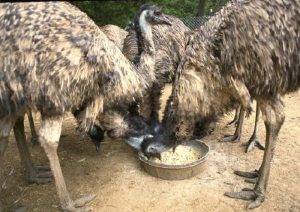
Emus are primarily herbivorous birds, meaning they primarily consume plant matter as their main source of nutrition. However, they may also opportunistically feed on small insects, grubs, and other invertebrates.
Generalist Feeders:
Emus are considered generalist feeders, meaning they have a broad diet that includes a wide variety of plant species, fruits, seeds, and foliage. This dietary flexibility allows them to adapt to changing environmental conditions and food availability.
Natural Diet Composition: What Do Emus Eat in the Wild?
Plant Matter:
Emus feed on a diverse array of plant materials, including grasses, leaves, shoots, and seeds. They are known to browse on a variety of vegetation found in their habitat, ranging from shrubs and bushes to grasslands and woodlands.
Fruits and Berries:
Emus may also consume fruits, berries, and other fleshy plant parts when available. They play a role in seed dispersal by ingesting fruits and excreting seeds in their droppings, contributing to the regeneration of plant species in their environment.
Foraging Behavior: How Emus Obtain Their Food
Browsing and Grazing:
Emus use their powerful beaks to browse and graze on vegetation at varying heights, depending on the availability of food sources. They may feed on grasses and low-lying vegetation by pecking at the ground or use their necks to reach higher foliage.
Scavenging and Opportunistic Feeding:
Emus are opportunistic feeders and may scavenge for food items such as fallen fruits, seeds, or carrion. They may also consume insects and other invertebrates they encounter while foraging.
Dietary Preferences and Seasonal Variation
Seasonal Changes:
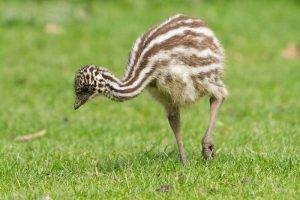
Emu diets may vary seasonally based on factors such as temperature, rainfall, and food availability. During periods of abundant rainfall, emus may have access to a wider variety of food sources, including fresh vegetation and fruits.
Food Preferences:
While emus have a broad diet, they may exhibit preferences for certain plant species or food items based on taste, nutritional value, or availability. These preferences may vary among individuals and populations.
Captive Emu Diets: Considerations for Feeding in Human Care
Commercial Feeds:
Emus in captivity may be fed a balanced diet consisting of commercial emu feeds, grains, pellets, and supplements designed to meet their nutritional needs. These feeds may contain a combination of grains, protein sources, vitamins, and minerals.
Forage and Supplements:
In addition to commercial feeds, captive emus may benefit from access to fresh forage, such as grasses, hay, and browse. Supplemental sources of calcium, vitamins, and minerals may also be provided to ensure optimal health and nutrition.
Conservation of Natural Food Sources: Ensuring Long-Term Survival
Habitat Conservation:
Protecting and preserving natural habitats is essential for maintaining healthy populations of emus and ensuring the availability of food sources. Conservation efforts aimed at safeguarding native vegetation and ecosystems benefit emus and other wildlife species.
What Do Emus Eat
Restoration projects that focus on rehabilitating degraded habitats and reintroducing native plant species can help enhance food availability for emus and promote ecosystem resilience.
Related Post:
The Essential Guide to Pet Ducks: Care, Behavior, and Joys of Keeping Ducks
Discovering the Distinctive Charm of Aylesbury Ducks: A Classic Duck Breed
Cracking the Cayuga Duck Egg Mystery: Unveiling the Secrets of Cayuga Duck Eggs
Exploring Duck-Chicken Compatibility: Can They Coexist?
In conclusion, emus are adaptable birds with a diverse diet that includes a variety of plant materials, fruits, seeds, and occasional animal prey. Their dietary flexibility allows them to thrive in a range of habitats and environments, from arid scrublands to temperate woodlands. By understanding their dietary preferences and foraging behavior, we can better appreciate the role of emus in their ecosystems and implement conservation measures to ensure their long-term survival. Whether roaming the Australian outback or residing in captivity, emus rely on a balanced diet to sustain their health and well-being, making food availability a critical factor in their conservation.
