


In the lush tapestry of avian life that graces our gardens, few sights are as captivating as the vibrant hues of the Greenfinch and the Siskin. These small but striking birds bring color, energy, and song to our outdoor spaces, enriching our lives with their presence. Join us as we embark on a journey to explore the fascinating world of these two delightful garden visitors—the Greenfinch and the Siskin.
Meet the Greenfinch
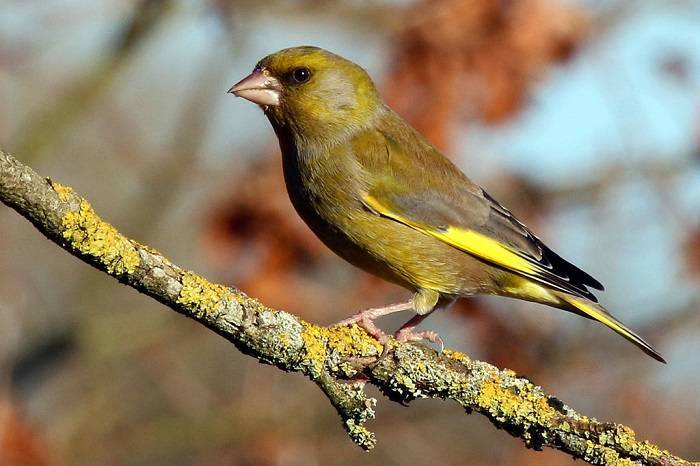
With its bright green plumage, lemon-yellow wing bars, and distinctive twittering call, the Greenfinch (Chloris chloris) is a familiar sight in gardens across the UK. These sociable birds are often found in small flocks, feeding on seeds and grains at bird feeders or foraging in trees and shrubs for insects and berries. Greenfinches are known for their acrobatic flight and cheerful demeanor, making them a welcome addition to any garden.
Discover the Siskin
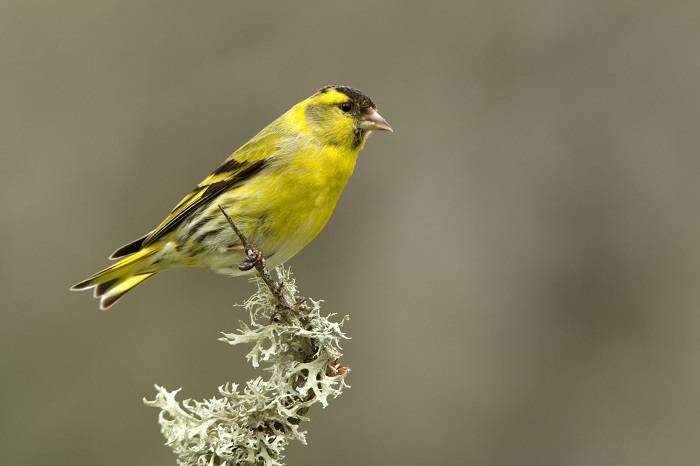
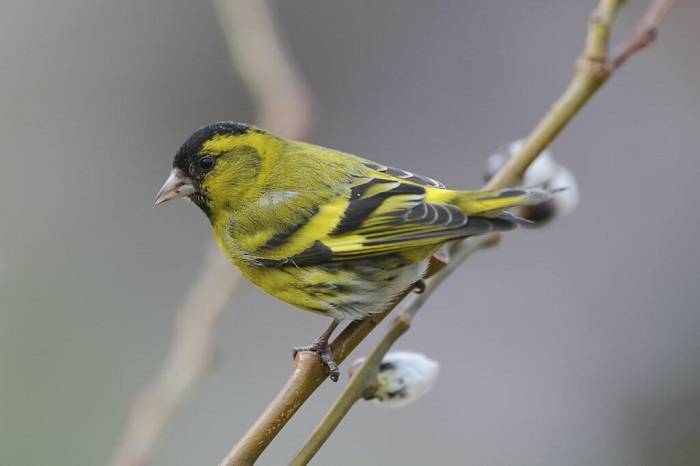
The Siskin (Spinus spinus), with its streaked yellow-green plumage and jaunty personality, is a delight to behold. These energetic birds are often found in mixed flocks with other finch species, flitting among the branches in search of seeds, especially those of alder and birch trees. Siskins are known for their distinctive call—a cheerful, bubbling trill that echoes through the treetops and adds a touch of music to the garden.
Habitat and Range
Both the Greenfinch and the Siskin are native to the UK and can be found in a variety of habitats, including woodlands, parks, gardens, and hedgerows. While the Greenfinch is more common and widespread throughout the country, the Siskin tends to prefer coniferous woodlands and upland areas, although it may also visit gardens, especially during the winter months.
Feeding Behavior
Greenfinches and Siskins are primarily seed-eating birds, with a preference for small seeds such as those found in sunflower heads, thistle heads, and garden bird seed mixes. Both species are frequent visitors to bird feeders, where they can be observed perching on perches or hanging feeders while they peck at seeds with their sharp beaks. In addition to seeds, Siskins may also feed on insects and larvae, especially during the breeding season.
Breeding Biology
Greenfinches and Siskins typically breed during the spring and summer months, with the female building a cup-shaped nest from twigs, grass, and moss in a tree or shrub. The female lays a clutch of eggs, which she incubates for around two weeks before they hatch. Both parents take turns feeding and caring for the chicks, which fledge after approximately two weeks.
Conservation Status
While both the Greenfinch and the Siskin are currently classified as species of least concern by the International Union for Conservation of Nature (IUCN), they face threats such as habitat loss, disease, and predation. Providing food, water, and shelter in gardens can help support these birds and contribute to their conservation.
Related Post
Discovering the Enigmatic World of Rare Duck Breeds
The Essential Guide to Pet Ducks: Care, Behavior, and Joys of Keeping Ducks
Discovering the Distinctive Charm of Aylesbury Ducks: A Classic Duck Breed
The Greenfinch and the Siskin are two of the UK’s most charming and charismatic garden visitors, bringing color, song, and vitality to our outdoor spaces. By understanding and appreciating the unique characteristics and behaviors of these delightful birds, we can enhance our enjoyment of the natural world and contribute to their conservation for future generations to enjoy. So, next time you hear the cheerful twittering of a Greenfinch or the bubbling trill of a Siskin in your garden, take a moment to pause, observe, and revel in the beauty of these enchanting creatures.
