

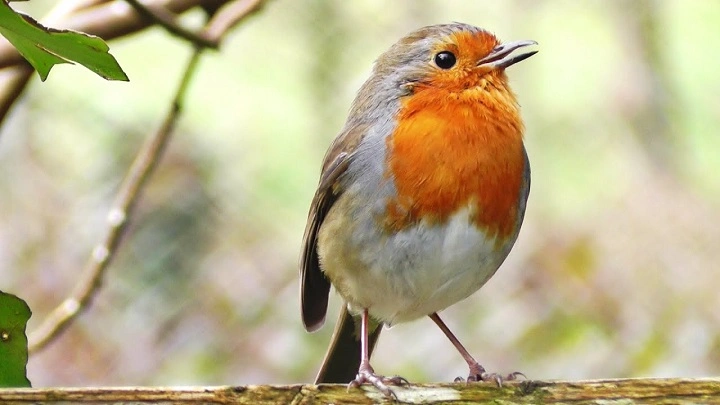
The sound of chirping birds is often one of the first signs of morning, filling the air with melody and energy. From the soft trill of a sparrow to the cheerful whistle of a robin, the sound of birds chirping brings joy to nature lovers and casual listeners alike. But what exactly is behind these beautiful songs, and why do birds chirp? In this article, we’ll explore the fascinating world of chirping birds, their communication, and their role in the ecosystem.
Introduction to Chirping Birds
Birds chirp for various reasons, from attracting mates to marking their territory. The variety of bird songs we hear in the morning is often a mix of different species calling out to each other. Chirping birds are especially prevalent during the spring and summer months when mating and territorial behaviors peak. While some birds sing or chirp to communicate with others of their species, others do so to express joy, protect their territory, or alert others to the presence of danger.
Whether you’re an avid bird watcher or someone who enjoys the natural symphony of birds in the morning, these chirps are not just random noise. They are purposeful, filled with meaning, and a testament to the unique ways birds interact with each other and their environment.
In this article, we will dive deeper into the reasons behind bird chirping, the types of chirps different species produce, and how birds use their voices to thrive in the wild.
Why Do Birds Chirp?

Birds chirp for many reasons, each tied to their biology and survival instincts. Understanding these behaviors can help us appreciate the complexity and beauty of bird communication.
Attracting a Mate
One of the primary reasons birds chirp is to attract a mate. Male birds are especially vocal during mating season, using their songs to announce their presence and advertise their fitness to potential female partners. The quality, complexity, and frequency of a bird’s chirp can indicate its health, strength, and genetic quality. Birds with louder, more intricate songs are often more successful in attracting mates, as these traits signal good genes and the ability to defend a territory.
Marking Territory
Birdsong is often a territorial behavior. By chirping loudly, birds can establish their presence in a given area and warn other birds to stay away. This is particularly important during the breeding season, when males defend their territory to protect their nesting areas. The louder and more frequent a bird’s chirping, the more likely it is to deter intruders and maintain control of its space.
Communicating with Others
Birds also chirp to communicate with one another. These calls can convey various messages, such as the location of food, danger, or other environmental factors. For example, some species of birds, like the chickadee, have specific alarm calls that warn others of predators, like hawks or owls, in the vicinity. Other species, such as the mourning dove, produce soft cooing calls to communicate with their flock.
Social Interaction
Birds that live in flocks, like sparrows, starlings, and finches, often chirp as part of their social behavior. These songs help strengthen bonds between members of the group and coordinate group activities, such as foraging and migrating. Chirping helps birds stay connected with each other, especially in large, noisy environments.
Navigating and Locating One Another
In some species, chirping plays a role in navigation. For example, young birds may chirp to call for their parents or siblings. In dense forests or crowded urban environments, the chirping sounds allow birds to maintain contact with each other even when visual contact is difficult. This is especially true for species like parrots, which live in large, noisy flocks and rely on vocalizations to navigate their surroundings.
Types of Chirps
Not all bird chirps are the same. Birds produce a wide variety of calls and songs, each with its own unique meaning. Here are some of the most common types of chirps:
Songbirds
Songbirds, or passerines, are some of the most common chirping birds we hear in the morning. These birds have specialized vocal cords called syrinxes that allow them to produce a wide range of sounds. Some species, like the American Robin or Northern Mockingbird, have complex songs that can carry over long distances. Songbirds use their songs to attract mates, defend their territory, and communicate with other birds.
Chatter and Chipping
Some birds, like sparrows and finches, produce short, high-pitched chirps called “chatter” or “chipping.” These sounds are often rapid and repetitive, used by birds to signal alarm or to communicate with their flock. Sparrows, for example, use their chip calls to alert their flock of potential threats.
Warblers and Whistles
Warblers, such as the Yellow Warbler or Common Yellowthroat, are known for their sweet, musical whistles. These birds typically produce a series of clear, sharp whistles to communicate with mates or to establish territory. Warbler songs are often intricate and can vary significantly between species.
Drumming and Calls
Woodpeckers are another group of birds known for their distinctive calls and drumming. While not typically associated with chirping, woodpeckers create loud drumming sounds by pecking on tree trunks. These sounds are used for both communication and to mark territory. In addition to drumming, woodpeckers produce a variety of calls, ranging from high-pitched “yaps” to rhythmic “chirps.”
Cooing
Pigeons and doves are famous for their soft, soothing cooing sounds. These low-pitched calls are often heard during mating season, as males try to attract females. The cooing is rhythmic and gentle, in contrast to the loud, complex songs of many other bird species.
The Importance of Chirping Birds in Ecosystems
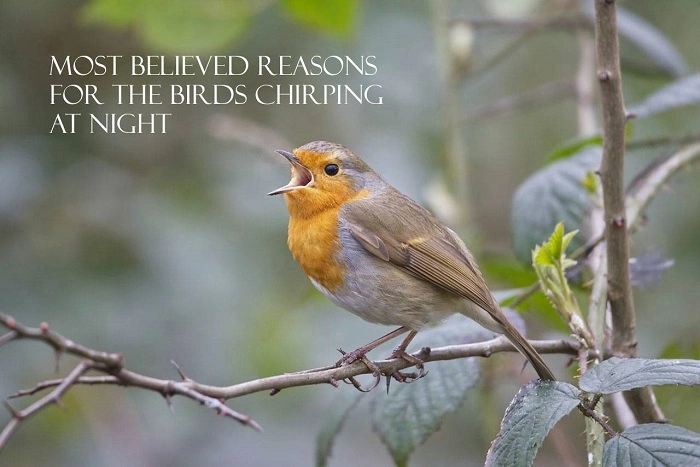
Chirping birds are essential components of healthy ecosystems. They provide numerous ecological benefits that help maintain balance and diversity in nature. Here are a few of the critical roles chirping birds play:
Pest Control
Many chirping birds feed on insects, making them important natural pest controllers. Birds like swallows, sparrows, and wrens consume large quantities of insects, helping reduce the population of pests like mosquitoes, flies, and beetles. This natural pest control helps maintain the health of plants and reduces the need for chemical pesticides.
Pollination
Certain species of chirping birds, particularly hummingbirds, are vital pollinators. Hummingbirds feed on nectar, transferring pollen from flower to flower as they move between blooms. This pollination helps plants reproduce and ensures the continued availability of food for both wildlife and humans.
Seed Dispersal
Many birds also play a role in dispersing seeds. By eating fruits, berries, and seeds, birds help transport seeds to new locations, promoting plant growth and the spread of vegetation. This is especially important for maintaining plant diversity in forests, wetlands, and other habitats.
Indicator Species
Birds are considered indicator species, meaning their health and behavior reflect the condition of the environment. A decline in bird populations or changes in their chirping patterns can signal problems in the ecosystem, such as habitat loss, pollution, or climate change. Monitoring bird populations helps scientists assess the health of ecosystems and take action to protect them.
FAQs About Chirping Birds
Why do birds chirp early in the morning?
Birds chirp in the early morning as part of their territorial behavior. Morning chirps are often louder and more frequent as male birds establish their territory and attract mates. This period of increased activity is known as the “dawn chorus.”
Do all birds chirp?
While many birds chirp, not all species produce vocalizations. Some birds, like owls, tend to make hooting sounds, while others, like woodpeckers, create drumming sounds. Chirping is most commonly associated with songbirds.
What are the benefits of bird chirping?
Chirping helps birds communicate with each other, defend their territory, attract mates, and warn others of predators. The sound also serves to establish dominance in some species and promote social bonding in others.
How can I attract chirping birds to my backyard?
To attract chirping birds, provide food sources such as seeds, suet, and fruit. Adding water sources like bird baths for small ponds can also encourage birds to visit. Planting native shrubs and trees will offer birds shelter and nesting sites.
What types of birds are known for their chirping?
Songbirds, including species like robins, sparrows, finches, and warblers, are the most well-known for their chirping. They are known for their melodious songs and are a favorite among bird watchers.
Chirping birds are one of the most beautiful sounds in nature, and their songs serve a vital role in communication, territory defense, and social interactions. Whether you’re listening to the early morning dawn chorus or watching a warbler sing from a tree, birds chirping provide both a peaceful and fascinating window into the natural world. By understanding why birds chirp and their important role in ecosystems, we can better appreciate the value of these remarkable creatures in our environment.
