

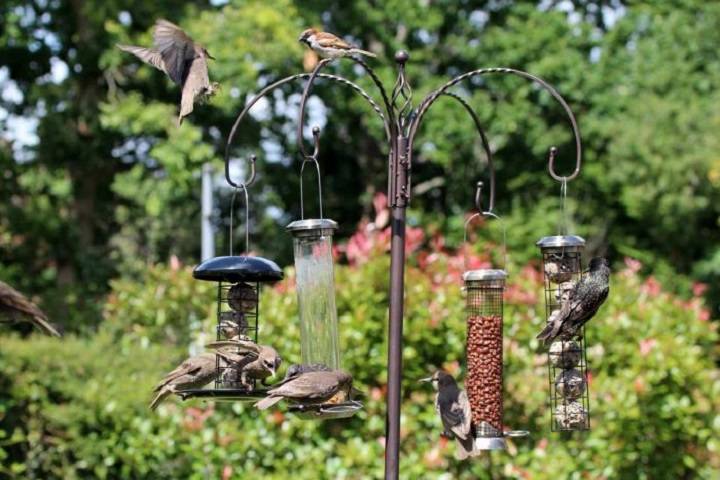
A heavy-duty bird feeding station serves as a central hub for attracting a diverse array of wild birds to your garden or outdoor space. These robust and versatile structures provide multiple feeding stations, offering various bird foods and accommodating different bird species simultaneously. In this comprehensive guide, we’ll explore everything you need to know about heavy-duty bird feeding stations, including their benefits, components, setup, maintenance, and tips for maximizing bird activity in your yard.
Understanding Heavy Duty Bird Feeding Stations
Benefits of Bird Feeding Stations:
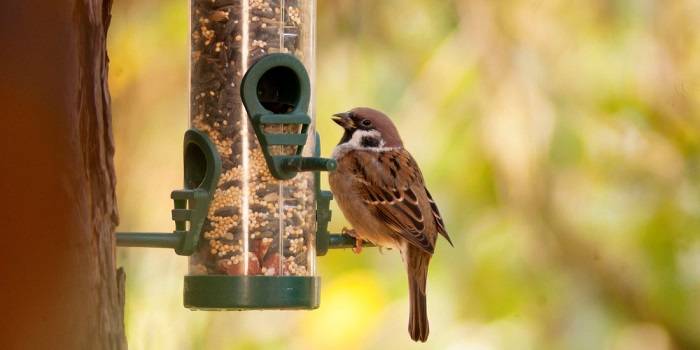
- Bird feeding stations offer numerous benefits to both birds and bird enthusiasts. They provide a reliable food source, particularly during harsh weather conditions or food scarcity periods. Bird feeding stations also serve as observation points for birdwatchers, allowing them to enjoy close-up views of visiting birds and document their behavior.
Components of Bird Feeding Stations:
- Heavy-duty bird feeding stations consist of several essential components, including sturdy poles or stands, multiple feeding stations, seed trays, suet cages, and water dishes. Some feeding stations may also feature additional accessories such as bird baths, squirrel baffles, and hanging hooks for feeders or nesting boxes.
Choosing the Right Bird Feeding Station
Size and Capacity:
- Select a heavy-duty bird feeding station with sufficient size and capacity to accommodate the desired number of feeders and bird species. Consider the dimensions of your outdoor space, the types of birds you wish to attract, and the quantity of bird food you intend to offer.
Durability and Weather Resistance:
- Opt for feeding stations constructed from high-quality materials such as powder-coated steel, aluminum, or stainless steel. These materials are durable, rust-resistant, and capable of withstanding outdoor elements, including wind, rain, and snow.
Setting Up Your Bird Feeding Station
Location Selection:
- Choose a suitable location for your heavy-duty bird feeding station, preferably in a quiet and sheltered area away from potential hazards such as predators, traffic, and pets. Ensure the station is easily accessible for refilling feeders and cleaning.
Assembly and Installation:
- Follow the manufacturer’s instructions carefully when assembling and installing your bird feeding station. Use sturdy mounting hardware or ground stakes to secure the station firmly in place and prevent tipping or swaying in windy conditions.
Maintaining Your Bird Feeding Station

Regular Cleaning and Sanitization:
- Clean and sanitize your bird feeding station regularly to prevent the buildup of mold, bacteria, and parasites. Remove old seed, debris, and bird droppings from feeders, trays, and water dishes, and disinfect them with a mild bleach solution or bird-safe cleaning product.
Monitoring and Refilling:
- Monitor your bird feeding station daily to assess seed levels, refill feeders as needed, and remove any spoiled or contaminated food. Keep feeders well stocked with a variety of bird foods to attract a diverse range of bird species throughout the year.
Attracting Birds to Your Feeding Station
Offering a Variety of Foods:
- Provide a diverse selection of bird foods, including seeds, suet, nuts, mealworms, and fruit, to cater to the dietary preferences of different bird species. Experiment with different feeder types and food combinations to attract a wide range of birds to your feeding station.
Creating a Bird-Friendly Environment:
- Enhance your garden or outdoor space with native plants, water features, and natural shelter to attract more birds to your feeding station. Planting dense shrubs and trees provides birds with nesting sites, roosting areas, and protective cover from predators.
Heavy Duty Bird Feeding Station
Birdwatching Opportunities:
- Spend time observing and photographing the birds that visit your feeding station, and keep a birdwatching journal to record species sightings, behaviors, and feeding habits. Use binoculars or a spotting scope for close-up views of birds without disturbing them.
Educational Activities:
- Share your passion for birds and bird feeding with family, friends, and neighbors by organizing birdwatching walks, educational workshops, or backyard birding events. Encourage others to participate in citizen science projects and contribute valuable data to bird conservation efforts.
Related Post:
Discovering the Friendliest Duck Breed: Feathers and Companionship
Exploring the Enchanting World of Call Ducks: Miniature Marvels
Exploring the Fascinating World of Frigate Birds: Masters of the Skies
A heavy-duty bird feeding station is an excellent investment for bird enthusiasts seeking to attract and support wild birds in their outdoor spaces. By providing a reliable food source, shelter, and water, feeding stations create thriving habitats for birds while offering endless opportunities for birdwatching, photography, and educational engagement. Whether you’re a novice or experienced birder, building and maintaining a bird feeding station fosters a deeper connection to nature and enriches the lives of both birds and humans alike.
