

Enter a marsh in the morning. The air is cold. Fog crawls in from the reeds. A performance begins. Marsh bird song echoes over the water. Some of the voices slice with harshness. Others are melancholy and wafer-thin. Few moments appear as essential as this.
Marsh birds dominate the land-water edge. They stream through grasses, perch atop cattails, and glide over shallow pools. Some are aggressive. Some are timid. But all are important. They tell us about wetland health. They connect human beings with the understated beauty of nature.
In this in-depth guide, we learn all about marsh birds. Their habitat. Their diet. Their migrations. Their function within the ecosystem. We also learn representative species, what’s threatening them, and why they need to be preserved. Once you’ve read it, you’ll look at wetlands differently.
What Are Marsh Birds
Marsh birds is the common name. They are not a distinct family but several. What they have in common is that they adore wetlands. Freshwater marshes, salt marshes, and seasonal marshes are where they live.
These birds are mostly shy. They conceal instead of exposing themselves. Humans hear them, but never see their bodies. Camouflage is their process. Survival is their craft.
Characteristics of Marsh Birds
- Long legs to wade into shallow water
- Long-bodied, designed to move through reeds
- Grass-blending feathers
- Strong, far-calling
Marsh Bird Types
- Rails and crakes fumble around in the dark
- Bitterns boom with rattling marsh voices
- Herons and egrets walk slow and tall
- Gallinules and coots paddle with curious feet
- Blackbirds sing freely from cattails
Together they are the marsh alive.
Marsh Habitats and Why They Are There
A marsh is a mixture of land and water. It is muddy with grasses and reeds. It may be still, but full of life. Insects buzz. Frogs ribbit. Fish dart through the water. And birds warble marsh songs.
Types of Marshes
- Freshwater marshes occur around rivers and lakes
- Salt marshes occur on coastlines and are tide-regulated
- Seasonal marshes accompany rainy seasons and vanish when dry
Why Marshes Are Important
- Cleanse water and keep it clean
- Sequester carbon, which battles climate change
- Absorb floods, protecting towns and farms
- Offer birds protected places to nest, eat, and roost
Marshes that have no marsh birds vanish. Marshes with no marsh birds lack soul.
Common Marsh Birds
Rails
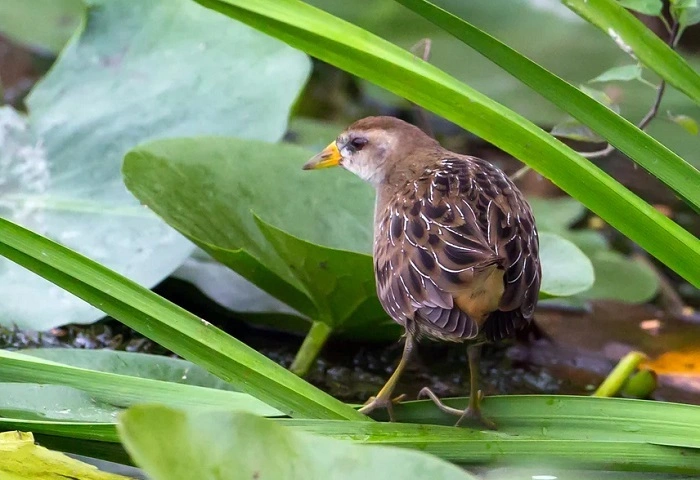
Rails are timid. Small bodies. Long toes. Ghostly passages among reeds. The sora is small with a yellow bill. The Virginia rail has a hooked bill and a raspy call. You hardly ever see them, but hear them frequently.
Bitterns
Bitterns are masters of disguise. They tense up and stretch their necks, and they look like reeds. The American bittern makes a low boom, quite like the sound of water from a pump. Few sounds are so strange and lovely.
Herons and Egrets
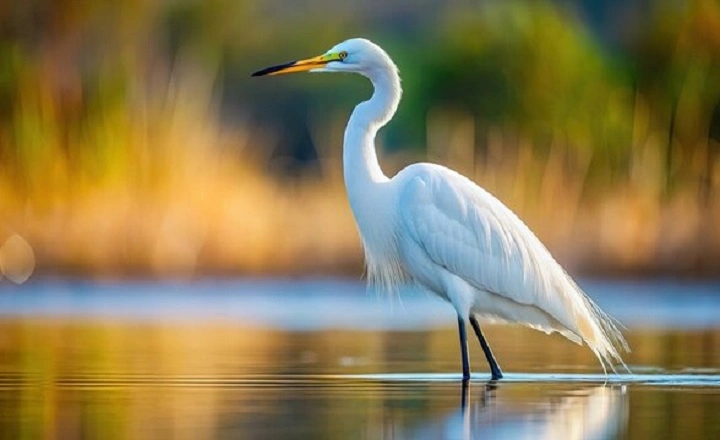
Leisurely hunters. Egrets and herons pursue fish and frogs. The great blue heron is large and dramatic. The snowy egret is smaller, with golden legs that kick up prey in a slow dance. It’s slow dance-like to see them hunt.
Coots and Gallinules
Coots look like ducks but are not ducks. They are black-bodied and white-billed. They lack webbed lobed feet. Gallinules are more colorful with the bright red head shields. They parade on floating vegetation like little show-offs.
Red-Winged Blackbirds
These birds are fighting birds. They sit on the top of cattails and sing loudly. Red and yellow spots on their wings shimmer in sunlight. They are one of the most recognizable marsh spring sounds.
Feeding Habits of Marsh Birds
Food is plentiful in a marsh. Insects fly by. Frogs hop by. Fish swim in water. Plants drop seeds. Birds take what they want.
Diet
- Insects like beetles and dragonflies
- Tadpoles, frogs, and fish
- Snails and crabs
- Seeds and shoots
Hunting Styles
- Herons wait and strike with a burst of speed
- Rails slide along the reeds and search for insects
- Bitterns wait and wait and wait for prey to come to them
- Coots plunge below water for vegetation
Each bird earns its living in the marsh in its own unique way.
Nesting and Raising Young
Nest Types

- Coots make floating nests
- Rails stitch grass in thick cover
- Herons and egrets construct stick nests in trees, typically colonies
Raising Chicks
Chicks emerge in spring or summer. A few swim on the first day. Others find shelter in grass and wait for parents. There is plenty of food at that time, and parents take care to keep the little ones alive. There are predators around, but there are reeds which offer shelter.
Migration of Marsh Birds
Marsh birds are seasonal migrants. Rails make nighttime migrations unseen. Bitterns migrate to warmer regions during winter. Red-winged blackbirds migrate in huge flocks, filling the skies with noise and activity.
Marshes along the way are resting stops. Birds feed, drink, and refill energy to continue their journey. Marshes are lost, and migration pathways are cut off. That is why marsh preservation is global.
Marsh Birds as Indicators of Health
Marsh birds are nature’s health inspectors. Scientists call them bioindicators. If marsh birds are declining, then wetlands are sick. Maybe it is because of pollution, loss of water, or disturbance by people.
If marsh birds are doing well, then wetlands are healthy. They have a message: nature is balanced.
Threats to Marsh Birds
Loss of Habitat
- Drainage: The majority of marshes have been drained to create space for farms or communities. Birds lack habitats without reeds and water.
Pollution
- Chemicals contaminate the water
- Plastics injure birds
- Oil ruins feathers
Birds cannot survive if wetlands are polluted.
Climate Change
- Oceans rise and overwhelm salt marshes
- Drought dries up fresh ones for extended periods
- Weather patterns disrupt food cycles
Human Disturbance
- Boats and disturbance scare birds from nests
- A disturbed nest equals one family lost
Saving Marsh Birds
Conservation Efforts
- Restoration of wetlands brings back the birds
- Laws safeguard needed habitats
- Sanctuaries provide safe refuge
- Education makes people care
Success Stories
- Snowy egrets were nearly wiped out by hunters who killed them for their feathers. Laws that came to their rescue rescued the snowy egrets.
- Restored salt marshes ring again in Europe with the call of bitterns.
People do, and marsh birds adapt.
Watching Marsh Birds
When to Go
- Early morning is magic
- Evening sounds explode
- Spring and autumn migrations bring substantial flocks
Birdwatching Tips
- Bring binoculars
- Be quiet
- Listen more than you look
- Be patient
Marsh birding is intimacy. You see, hear, and feel life moving.
Marsh Birds in Culture

For ages, humans have looked for significance in marsh birds.
- Herons symbolize patience
- Bitterns symbolize mystery
- Blackbirds symbolize change
Marsh birds in myth and art are inclined to bind earth and water, the seen and unseen. Their existence in culture shows how much human beings feel their power.
The Future of Marsh Birds
The future is uncertain. Wetlands vanish. Global warming presents extra risk. But there is hope. More people today realize marshes as treasures. Conservation rises.
If we save wetlands, marsh birds will stay. They’ll keep singing every morning. Their wings will fill the skies with energy. It’s our choice.
FAQs About Marsh Birds
What are marsh birds?
They are wetland birds consisting of rails, bitterns, herons, coots, and blackbirds.
What do marsh birds eat?
They consume insects, frogs, fish, snails, seeds, and plants.
Where do marsh birds nest?
They nest on floating mats, thick reeds, or trees near marshes.
Do marsh birds migrate?
Yes. Most migrate between breeding and wintering grounds over long distances.
Why are marsh birds important?
They keep ecosystems balanced and tell us if wetlands are healthy.
Conclusion
Marsh birds are voices of worlds unseen. They live where land and water envelop. They sing from reeds. They fly across the skies. They hide nests among grasses. They are shy, beautiful, and essential.
To know the marsh birds is to know the marsh. To save them is to save clean water, safe beaches, and living earth. They remind us beauty is fleeting but it’s worth fighting for. May their voice never be stilled.
