

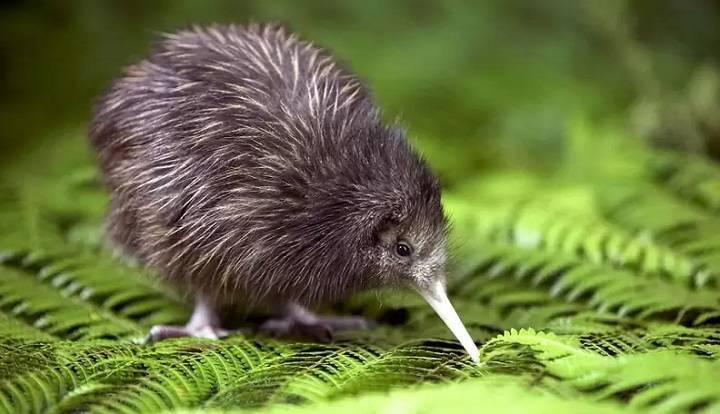
The kiwi bird, with its distinctive appearance and nocturnal habits, holds a special place in the hearts of New Zealanders and nature enthusiasts around the world. Despite its widespread recognition, the kiwi remains shrouded in mystery, largely due to its elusive nature and secretive behavior. In this blog post, we embark on a journey to uncover the habitat of the kiwi bird, exploring the diverse landscapes and ecosystems where these unique avian treasures call home.
The Kiwi Bird: A National Icon of New Zealand
Iconic Symbol:
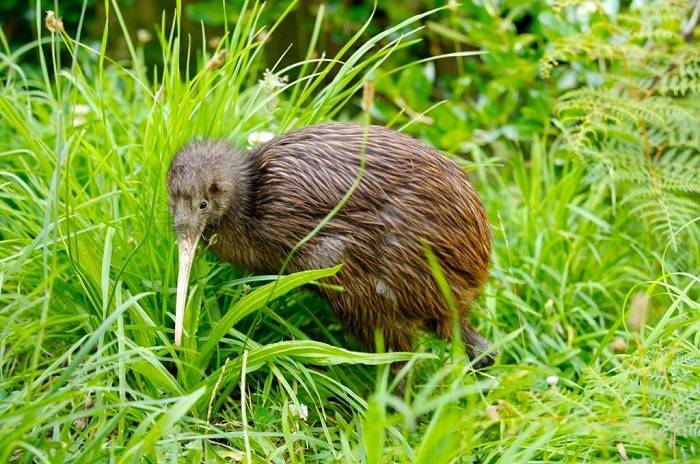
- The kiwi bird, often referred to simply as the kiwi, is a flightless bird native to New Zealand and a cherished emblem of the country’s natural heritage. With its small, plump body, long slender bill, and distinctive brownish-gray plumage, the kiwi is instantly recognizable and deeply ingrained in New Zealand’s cultural identity.
Nocturnal Lifestyle:
- One of the most remarkable aspects of the kiwi bird is its nocturnal lifestyle, which sets it apart from most other bird species. Kiwis are primarily active at night, foraging for food and navigating through their habitat under the cover of darkness, making them elusive and rarely seen by humans.
Exploring the Habitat of the Kiwi Bird
Native Forests and Bushland:
- Kiwi birds are closely associated with native forests and bushland, which provide the ideal habitat for their secretive lifestyle. Dense vegetation, including ferns, shrubs, and native trees such as rimu and kauri, offer shelter, protection, and ample food sources for kiwis to thrive.
Understory and Forest Floor:
- Within native forests, kiwis are most commonly found in the understory and forest floor layers, where they can forage for insects, worms, and other invertebrates that make up the bulk of their diet. Fallen logs, leaf litter, and dense vegetation provide hiding spots and nesting sites for these elusive birds.
Coastal Regions and Scrubland:
- In addition to native forests, kiwi birds also inhabit coastal regions and scrubland, where they can be found foraging along sandy beaches, dunes, and rocky shores. Coastal scrub, with its dense vegetation and abundant insect life, offers another suitable habitat for kiwis to thrive.
Kiwi Species and Geographic Distribution
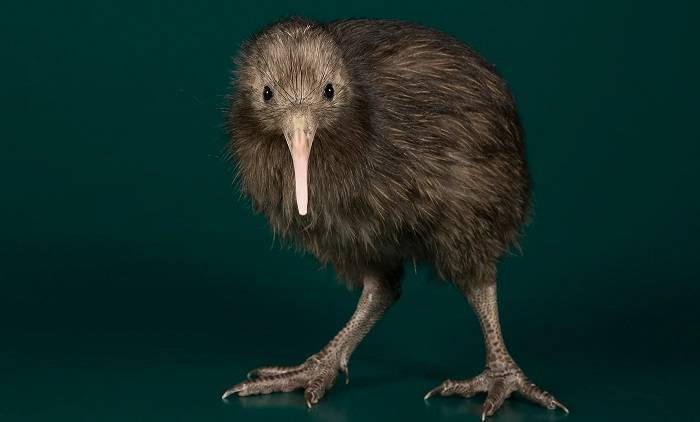
North Island Brown Kiwi (Apteryx mantelli):
- The North Island brown kiwi, also known as the brown kiwi or tokoeka, is the most widespread kiwi species, found primarily in the forests and scrubland of the North Island of New Zealand. Its range extends from coastal regions to mountainous terrain, encompassing a variety of habitats.
Great Spotted Kiwi (Apteryx haastii):
- The great spotted kiwi, endemic to the South Island of New Zealand, inhabits a range of habitats, including native forests, tussock grasslands, and alpine areas. It is distinguished by its larger size and distinctive white spots on its plumage.
Little Spotted Kiwi (Apteryx owenii):
- The little spotted kiwi, the smallest and rarest of the kiwi species, is found on several offshore islands around New Zealand, including Kapiti Island and Little Barrier Island. These isolated island habitats provide protection from introduced predators and human disturbances.
The Enigmatic Habitat of the Kiwi Bird
Predator Control:
- Kiwi birds face numerous threats in their natural habitat, including predation by introduced mammals such as stoats, ferrets, and dogs. Conservation efforts focused on predator control, habitat restoration, and captive breeding programs are crucial for protecting kiwi populations and ensuring their long-term survival.
Habitat Preservation:
- Protecting and preserving the native forests, scrubland, and coastal habitats that kiwi birds depend on is essential for maintaining healthy populations of these iconic birds. Conservation organizations and government agencies work tirelessly to establish reserves, predator-free sanctuaries, and wildlife corridors to safeguard kiwi habitat.
Related Post:
The Essential Guide to Pet Ducks: Care, Behavior, and Joys of Keeping Ducks
Discovering the Distinctive Charm of Aylesbury Ducks: A Classic Duck Breed
Cracking the Cayuga Duck Egg Mystery: Unveiling the Secrets of Cayuga Duck Eggs
The habitat of the kiwi bird is as diverse and varied as the landscapes of New Zealand itself, encompassing native forests, scrubland, and coastal regions teeming with life. Despite the challenges they face, kiwi birds continue to thrive in their natural habitat, thanks to ongoing conservation efforts and the dedication of individuals and organizations committed to protecting these iconic avian treasures. By understanding the habitat requirements and ecological significance of kiwi birds, we can work together to ensure a brighter future for these beloved creatures and the ecosystems they inhabit. So, the next time you find yourself wandering through the forests of New Zealand or exploring its rugged coastline, take a moment to appreciate the beauty and diversity of the kiwi bird’s habitat, and the vital role it plays in preserving one of the world’s most unique and precious avian species.
