

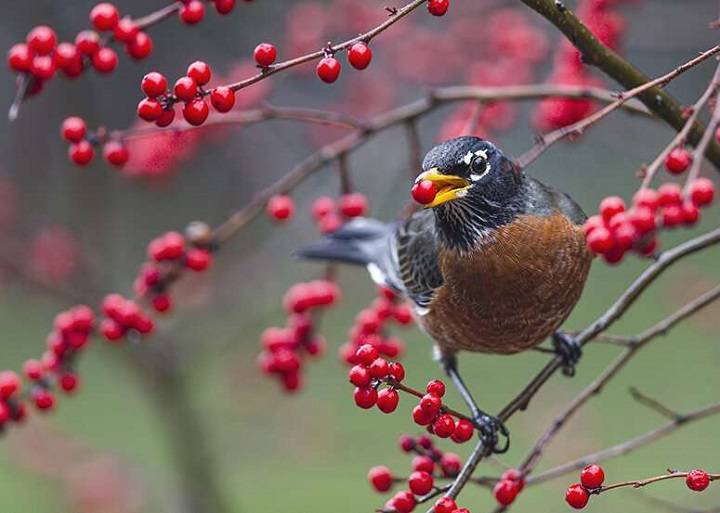
Birds, with their diverse species and captivating behaviors, are essential components of ecosystems around the world. As both predators and prey, birds occupy various niches in food webs, playing vital roles in maintaining ecological balance and biodiversity. While birds are known for their agility, speed, and keen senses, they are not exempt from predation themselves. In this blog post, we embark on a journey to explore the fascinating world of avian predators, examining the creatures that prey on birds and the strategies they employ to capture their airborne prey.
Avian Predators: Masters of the Skies

Birds of prey, also known as raptors, are among the most formidable avian predators in the natural world. These birds possess powerful talons, razor-sharp beaks, and keen eyesight, allowing them to hunt and capture a wide range of prey, including other birds. Some of the most iconic avian predators include eagles, hawks, falcons, and owls, each with its own unique hunting techniques and adaptations suited to their particular habitats and prey preferences.
Raptors: The Apex Predators of the Sky
Raptors are apex predators at the top of the food chain, wielding their formidable hunting skills to capture birds, mammals, reptiles, and other prey. Eagles, with their immense size and powerful talons, are capable of capturing large birds such as waterfowl and herons, as well as smaller prey like rodents and fish. Hawks and falcons are known for their speed and agility, using aerial acrobatics and stoop hunting techniques to ambush unsuspecting birds in flight. Owls, with their silent flight and acute hearing, are expert nocturnal hunters, preying on small mammals, birds, and insects under the cover of darkness.
Opportunistic Predators: Birds That Prey on Birds
While raptors are the most specialized avian predators, many other bird species also include birds in their diet. Some birds, such as crows, ravens, and magpies, are opportunistic scavengers and predators, feeding on the eggs, nestlings, and injured adults of other bird species. These intelligent and adaptable birds are known for their resourcefulness and ability to exploit a wide range of food sources, including carrion, insects, fruits, and grains.
Aerial Predators: Birds That Hunt in Flight
In addition to raptors and opportunistic predators, some bird species have evolved specialized adaptations for hunting birds in flight. Peregrine falcons, for example, are renowned for their high-speed dives, or stoops, which enable them to reach speeds of over 240 miles per hour as they pursue prey in midair. Swifts and swallows are also adept aerial hunters, using their streamlined bodies and agile flight maneuvers to capture insects on the wing. These birds demonstrate the remarkable diversity of hunting strategies employed by avian predators to capture their airborne prey.
Terrestrial Predators: Birds That Hunt on the Ground
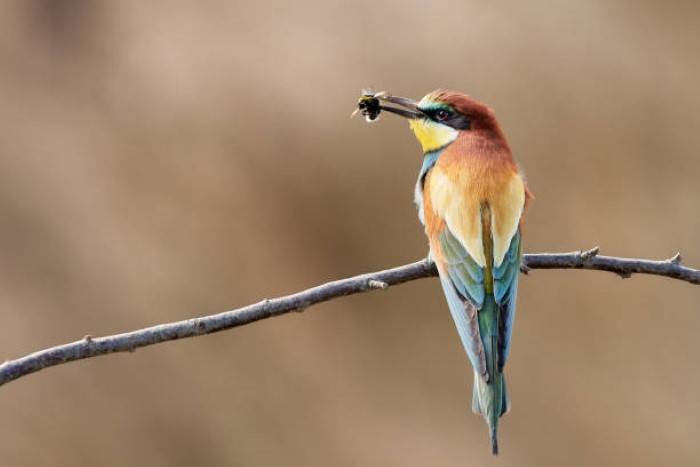
While many avian predators hunt in the air, others are specialized for capturing prey on the ground. Birds such as roadrunners, secretary birds, and caracaras are adept hunters of small mammals, reptiles, and birds on the ground, using their sharp beaks and powerful legs to dispatch their prey. These terrestrial predators occupy a unique niche in their respective ecosystems, playing important roles in controlling populations of rodents and other prey species.
Human Impact on Avian Predators
Despite their remarkable adaptations and hunting prowess, avian predators face numerous threats from human activities, including habitat loss, pollution, climate change, and persecution. Habitat destruction and fragmentation can disrupt nesting sites and reduce prey availability for raptors and other avian predators. Pollution, such as pesticides and lead poisoning from contaminated prey, can weaken or kill birds of prey, leading to population declines and reproductive failures. Additionally, illegal hunting, trapping, and persecution by humans pose significant threats to many avian predators, including eagles, hawks, and owls.
What Eats Birds
Conservation efforts aimed at protecting avian predators and their habitats are essential for ensuring their continued survival and ecological function. These efforts may include habitat restoration, captive breeding and reintroduction programs, monitoring of populations, and public education and outreach initiatives. By raising awareness about the importance of avian predators and the threats they face, conservation organizations and wildlife enthusiasts can rally support for policies and actions that promote their conservation and welfare.
Related Post:
Exploring the Enigmatic World of Blue Egg-Laying Birds: Unveiling the Species Behind the Blue Hue
The Essential Guide to Pet Ducks: Care, Behavior, and Joys of Keeping Ducks
Discovering the Distinctive Charm of Aylesbury Ducks: A Classic Duck Breed
In conclusion, avian predators play vital roles in ecosystems around the world, contributing to the balance and functioning of natural communities. From majestic eagles soaring through the skies to stealthy owls hunting under the cover of darkness, avian predators embody the beauty, diversity, and resilience of the natural world. By understanding the creatures that prey on birds and the challenges they face, we can gain a deeper appreciation for the interconnectedness of all living beings and work together to protect and conserve these magnificent creatures for generations to come.
