


For centuries, humans have marveled at the curious sight of white bird poop splattered across sidewalks, cars, and statues. But why is bird poop white? In this exploration, we’ll delve into the fascinating world of avian biology to uncover the science behind this peculiar phenomenon. From the composition of bird droppings to the evolutionary advantages of their coloration, we’ll unravel the mysteries of why bird poop is white.
Understanding Bird Droppings

Before we can tackle the question of why bird poop is white, it’s important to understand the composition of avian droppings. Bird droppings consist of three main components: feces, uric acid, and urine. The feces, or solid waste, is the dark-colored portion of the dropping, while the uric acid and urine make up the white or clear liquid portion.
The Role of Uric Acid
The key to understanding why bird poop is white lies in the presence of uric acid. Unlike mammals, birds excrete nitrogenous waste in the form of uric acid rather than urea. Uric acid is a highly concentrated compound that is insoluble in water, making it easier for birds to excrete excess nitrogen without losing valuable water through urine. When birds excrete uric acid, it is typically in the form of a white paste or liquid, which is mixed with the darker-colored feces to form the characteristic splatter pattern of bird droppings.
The Evolutionary Advantage of White Poop
But why is bird poop white instead of a different color? One theory suggests that the white coloration of bird droppings may serve as a form of camouflage, helping to conceal birds from predators while they roost or nest in trees. By blending in with the color of bird droppings, birds may be less likely to attract the attention of predators that rely on visual cues to locate their prey.
Environmental Factors
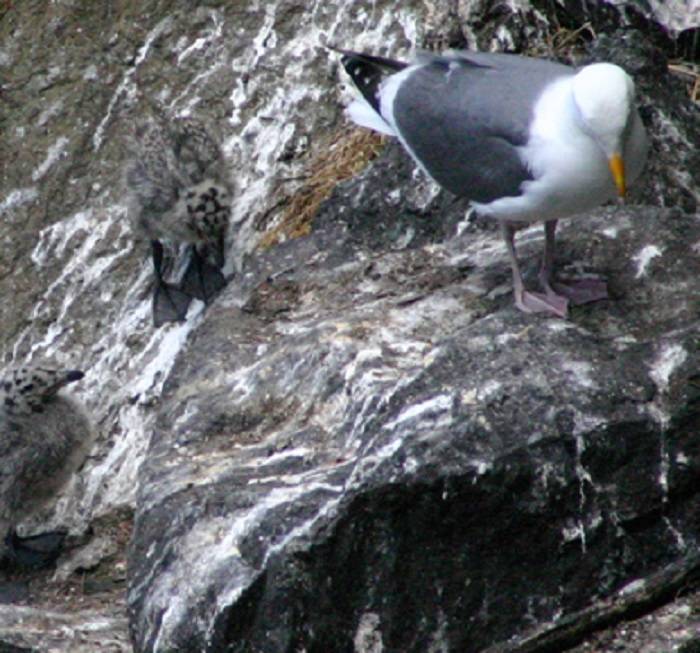
In addition to evolutionary considerations, environmental factors may also play a role in the coloration of bird droppings. For example, birds that consume diets high in calcium may produce whiter droppings due to the presence of calcium carbonate, a compound that gives bird poop its characteristic chalky appearance. Similarly, birds that consume certain types of berries or fruits may produce droppings with a reddish or purple hue, reflecting the pigments present in their diet.
The Human Impact
While white bird poop may be a natural and harmless phenomenon, it can pose a nuisance to humans, particularly when it accumulates on cars, buildings, and other structures. Bird droppings can be corrosive and unsightly, causing damage to paint, metal, and other surfaces over time. In urban environments, where bird populations are often dense and concentrated, the buildup of bird droppings can become a significant problem, requiring regular cleaning and maintenance to mitigate.
Why Is Bird Poop White
In conclusion, the white coloration of bird poop is a fascinating example of the adaptations and quirks of avian biology. From the composition of bird droppings to the evolutionary advantages of their coloration, there is much to learn and appreciate about this seemingly mundane aspect of nature. So the next time you encounter a splatter of white bird poop, take a moment to marvel at the wonders of avian biology and the intricate balance of the natural world.
