


The American Robin, with its vibrant red breast and melodic song, is a beloved harbinger of spring and a familiar sight in gardens and woodlands across North America. Yet, as dusk descends and daylight fades, many wonder: where do these iconic birds rest their wings for the night? In this blog post, we embark on a journey to unravel the mystery of where robins sleep at night, exploring their nighttime roosting habits, preferred habitats, and the ecological significance of their chosen resting places.
The Nocturnal World of Robins
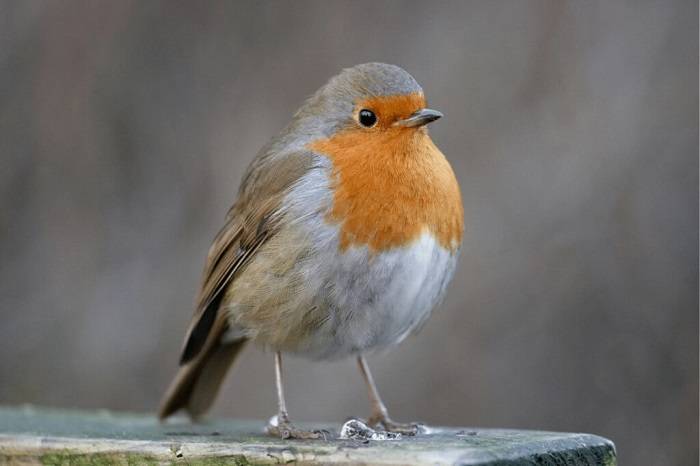
Introduction to American Robins:
- American Robins (Turdus migratorius) are thrush-like birds known for their distinctive reddish-orange breast, grayish-brown back, and white eye ring. They are widespread across North America, inhabiting a variety of habitats, from urban parks to rural farmlands.
Diurnal Activity Patterns:
- Robins are diurnal birds, meaning they are primarily active during the day, foraging for food such as earthworms, insects, berries, and fruit. As the sun sets and darkness descends, robins transition from their daytime activities to preparing for rest and sleep.
Nighttime Roosting Habits
Sheltered Locations:
- Robins seek out sheltered locations to roost at night, where they can find protection from predators, inclement weather, and other environmental hazards. Common roosting sites include dense foliage, thickets, shrubs, evergreen trees, and the branches of deciduous trees.
Communal Roosts:
- While robins are typically solitary during the breeding season, they may gather in communal roosts, especially during the winter months. These roosting aggregations provide warmth, safety, and social interaction, allowing robins to conserve energy and share information about food sources.
Preferred Roosting Habitats
Woodlands and Forests:
- Robins are adaptable birds that inhabit a wide range of habitats, including woodlands, forests, and forest edges. They often roost in dense vegetation or the canopy of trees, where they can find protection from predators and thermal insulation against cold temperatures.
Urban and Suburban Areas:
- In urban and suburban environments, robins may roost in parks, gardens, and green spaces with abundant vegetation and suitable shelter. They are known to utilize hedges, ivy-covered walls, and even the eaves of buildings as roosting sites.
Behavioral Adaptations and Survival Strategies

Thermal Regulation:
- Robins employ behavioral adaptations to regulate their body temperature and conserve heat during cold nights. They may huddle together in communal roosts, fluff up their feathers to create insulating air pockets, or tuck their heads under their wings to minimize heat loss.
Vigilance and Defense:
- While roosting, robins remain vigilant to potential threats and predators. They may emit alarm calls or engage in mobbing behavior to deter predators such as owls, hawks, and nocturnal mammals.
Ecological Significance of Nighttime Roosting
Seed Dispersal:
- Robins play a vital role in seed dispersal by consuming fruits and berries and dispersing the seeds in their droppings. As they roost at night, they may inadvertently contribute to seed dispersal by depositing seeds from consumed fruits in different locations.
Insect Control:
- Robins help control insect populations by foraging on a variety of insects and their larvae during the day. By reducing insect numbers, they contribute to ecosystem balance and promote plant health in their habitats.
Where Do Robins Sleep At night
Preservation of Natural Habitats:
- Protecting and preserving natural habitats with suitable roosting sites is essential for the survival of robins and other bird species. Conservation efforts aimed at maintaining woodland habitats, green corridors, and urban green spaces benefit robins by providing essential resources and shelter.
Community Engagement:
- Engaging communities in bird conservation and habitat restoration initiatives can raise awareness about the importance of providing suitable roosting sites for robins and other birds. Planting native trees and shrubs, creating wildlife-friendly gardens, and reducing habitat fragmentation are effective ways to support robins and enhance their habitats.
Related Post:
Unveiling the Fascinating Differences Between Male and Female Muscovy Ducks
At What Age Do Ducks Start Laying Eggs? (The Truth)
Explore the Grace and Elegance of American Pekin Ducks
The nighttime roosting habits of American Robins reveal fascinating insights into their behavioral adaptations, ecological significance, and survival strategies in the natural world. By understanding and respecting the nocturnal needs of robins, we can contribute to their conservation and create habitats that support their well-being. Whether nestled among the branches of a tree or sheltered in the dense foliage of a shrub, robins find sanctuary and rest under the cover of darkness, ready to greet the dawn with their cheerful song.
