


Birds, with their diverse adaptations and behaviors, inhabit a wide range of habitats, from the skies to the forests to the open plains. While some birds soar through the air or perch in treetops, others prefer to stay close to the ground, where they forage, nest, and thrive in their unique environment. In this blog post, we delve into the captivating world of on-the-ground birds, exploring their fascinating adaptations, behaviors, and the roles they play in their respective ecosystems.
The Diversity of On-the-Ground Birds

Definition of On-the-Ground Birds:
- On-the-ground birds, also known as ground-dwelling birds or terrestrial birds, are species that spend the majority of their time foraging, nesting, and moving about on the ground. These birds have adapted to life in terrestrial habitats, where they find food, shelter, and protection from predators.
Examples of On-the-Ground Birds:
- On-the-ground birds encompass a wide range of species from various taxonomic groups. Some well-known examples include pheasants, quails, grouse, turkeys, ostriches, emus, and certain species of shorebirds and waterfowl that forage along the shoreline or in marshy areas.
Adaptations for Life on the Ground
Camouflage and Cryptic Coloration:
- Many ground-dwelling birds have evolved cryptic coloration and camouflage patterns that allow them to blend in seamlessly with their surroundings, making them less visible to predators. This adaptation helps them avoid detection and increases their chances of survival in open habitats.
Strong Legs and Feet:
- Ground-dwelling birds often have robust legs and feet adapted for walking, running, and scratching for food on the ground. Some species, such as ostriches and emus, have powerful legs that enable them to run at high speeds to evade predators or pursue prey.
Ground-Nesting Behavior:
- Most on-the-ground birds build their nests on or near the ground, where they are concealed from predators and provide easy access to foraging areas. Nests may be constructed in grassy vegetation, under shrubs, or in shallow depressions on the forest floor, depending on the species’ habitat preferences.
Foraging and Feeding Habits
Generalist Feeders:
- Many ground-dwelling birds are opportunistic feeders that consume a wide variety of plant matter, seeds, insects, small mammals, and other food items found on the ground. Their diet often varies depending on seasonal availability and habitat conditions.
Scratching and Pecking:
- Ground-dwelling birds use their feet and beaks to scratch and peck at the ground, probing for insects, seeds, and other edible items hidden beneath the surface. This foraging behavior allows them to efficiently locate and extract food from the soil and leaf litter.
Habitat Preferences and Distribution
Open Habitats:
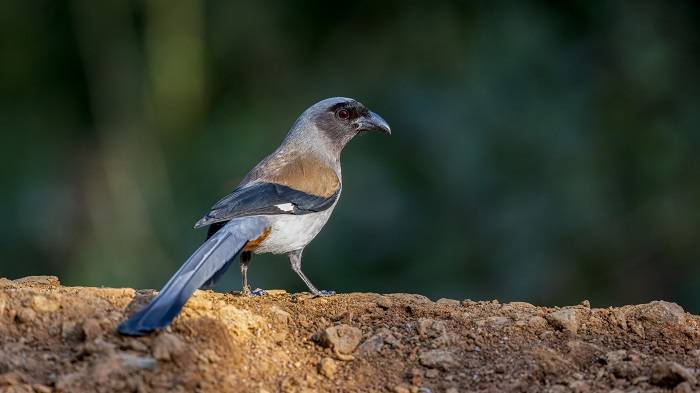
- On-the-ground birds are commonly found in open habitats such as grasslands, savannas, scrublands, and agricultural fields, where they have ample space to move about and forage for food. These habitats provide the ideal conditions for ground-dwelling species to thrive and reproduce.
Forest Floor and Understory:
- Some ground-dwelling birds inhabit forested habitats, where they forage for food and build their nests in the understory or on the forest floor. These birds play important roles in ecosystem dynamics by controlling insect populations and dispersing seeds.
Conservation Challenges and Concerns
Habitat Loss and Fragmentation:
- On-the-ground birds are vulnerable to habitat loss and fragmentation due to human activities such as agriculture, urbanization, and deforestation. Loss of suitable habitat can restrict their movements, disrupt breeding cycles, and reduce food availability, leading to population declines.
Predation and Competition:
- Ground-dwelling birds face threats from predation by introduced predators such as feral cats, foxes, and rats, which prey on eggs, nestlings, and adult birds. Competition for food and resources with invasive species can also pose challenges to their survival.
The-ground-birds
Habitat Restoration:
- Conservation efforts focused on habitat restoration and protection can help conserve on-the-ground bird populations by preserving essential foraging areas, nesting sites, and breeding habitats. Restoring native vegetation and creating wildlife corridors can enhance connectivity between fragmented habitats and promote gene flow among populations.
Invasive Species Management:
- Controlling invasive predators and competitors is essential for mitigating their impacts on ground-dwelling bird populations. Implementing measures such as trapping, fencing, and targeted culling can help reduce predation pressure and alleviate competition for resources in vulnerable habitats.
Related Post:
The Essential Guide to Pet Ducks: Care, Behavior, and Joys of Keeping Ducks
Discovering the Distinctive Charm of Aylesbury Ducks: A Classic Duck Breed
Cracking the Cayuga Duck Egg Mystery: Unveiling the Secrets of Cayuga Duck Eggs
On-the-ground birds play vital roles in terrestrial ecosystems, contributing to biodiversity, ecosystem function, and ecosystem services. Their adaptations for life on the ground, including camouflage, strong legs, and ground-nesting behavior, enable them to thrive in diverse habitats around the world. By understanding the unique adaptations and ecological roles of ground-dwelling birds, we can appreciate the beauty and diversity of avian life and work towards conserving their habitats for future generations to enjoy. So, the next time you encounter a ground-dwelling bird on your nature walk, take a moment to marvel at its remarkable adaptations and the vital role it plays in the intricate web of life.
